
10 RV Camping Tips You Need to Know
RV camping gives you the freedom to explore new places while bringing many of the comforts of home along for the ride.
You can wake up beside a lake, spend the afternoon exploring a national park, and return to your own bed at night.
However, a comfortable trip depends on more than choosing a destination and packing your bags.
Small mistakes with campsite reservations, water supplies, electrical hookups, or vehicle setup can turn an exciting getaway into a stressful experience.
Whether you own a motorhome, travel trailer, or fifth-wheel RV, a little preparation makes camping easier and more enjoyable.
Knowing how to choose a suitable campsite, manage your utilities, organize your storage, and prepare for changing weather can save time and prevent common problems along the way.
These 10 RV camping tips cover practical details worth knowing before your next trip. They can help beginners feel more confident and give experienced campers useful reminders for keeping their travels comfortable, organized, and safe.
1. Plan Your Route Before Leaving Home
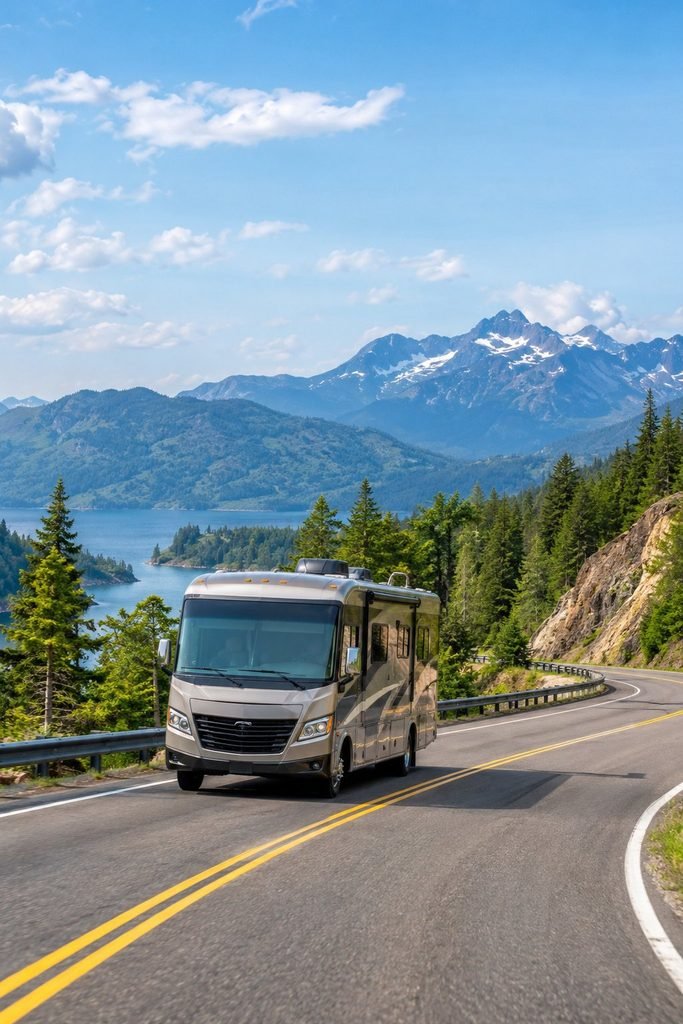
A successful RV trip starts with a route that suits both your destination and your vehicle. The shortest route on a navigation app is not always the best option for a large motorhome or a truck towing a travel trailer.
Low bridges, steep mountain roads, narrow turns, weight restrictions, and tight city streets can make certain routes difficult or unsafe.
Before leaving, review your planned drive and check whether the roads are suitable for your RV’s height, length, weight, and towing setup. RV-specific navigation apps and official road information can help you identify restrictions before you reach them.
It is also worth estimating driving time realistically. Towing an RV often requires slower speeds, additional fuel stops, and more frequent breaks. A route that takes three hours in a regular car may take longer with a camper.
Practical tips for planning your route:
- Check bridge clearances, road restrictions, and steep grades before departure.
- Identify fuel stations that can accommodate your RV.
- Plan regular rest stops, especially on long driving days.
- Download offline maps in case mobile service becomes unreliable.
- Keep an alternative route available if weather or road conditions change.
Avoid scheduling too many miles in one day. Arriving at your campsite with enough daylight to park, level the RV, and connect your utilities makes the first evening much less stressful.
2. Reserve Your Campsite Ahead of Time

Finding a campsite is not always as simple as pulling into the first campground you see. Popular national parks, lakeside campgrounds, holiday destinations, and well-equipped RV resorts can fill up weeks or months in advance, particularly during peak travel seasons.
Making a reservation ahead of time gives you more control over where you stay and helps you avoid driving around searching for an available site after a long day on the road.
Before booking, check the campsite’s maximum RV length, site dimensions, hookup options, and access conditions. A campground may welcome RVs but still have individual spaces that are too short for your rig. You should also confirm whether the site offers full hookups, partial hookups, or no utility connections.
Pay attention to these campsite details:
- Site size: Make sure the space can accommodate your RV and tow vehicle.
- Hookups: Confirm the availability of electricity, fresh water, and sewer connections if needed.
- Site surface: Check whether the parking area is paved, gravel, grass, or uneven ground.
- Access: Look for tight turns, low branches, and difficult approaches.
- Campground rules: Review quiet hours, generator restrictions, pet policies, and arrival times.
For flexible trips, keep a few alternative campgrounds in mind in case your preferred location is unavailable. If you plan to camp without a reservation, arrive early when possible and have a backup plan for overnight parking.
3. Inspect Your RV Before Every Trip
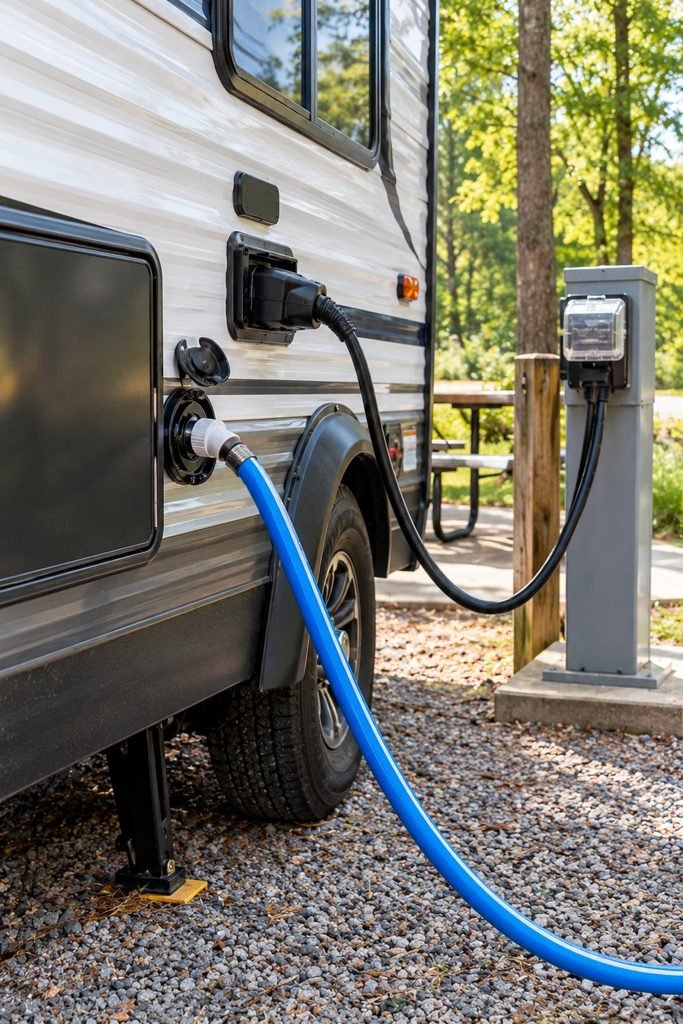
A quick inspection before departure can help you catch problems while you are still close to home. RVs combine several systems, including tires, brakes, lights, plumbing, electrical components, and appliances. A small issue discovered in your driveway is usually much easier to handle than the same problem on a busy highway.
Start with the tires. Check tire pressure when they are cold and follow the pressure specified for your RV and its actual loading requirements. Inspect the tires for visible cracks, unusual wear, bulges, or other damage. Remember to check the spare tire if your RV carries one.
Next, walk around the vehicle and inspect exterior compartments, storage doors, windows, roof vents, and awnings. Make sure everything is securely closed before driving.
Use this pre-trip inspection checklist:
- Check tire pressure and inspect the tires for damage.
- Test the headlights, brake lights, turn signals, and marker lights.
- Confirm that the hitch, safety chains, and electrical connections are secure when towing.
- Check engine oil, coolant, and other vehicle fluids as applicable.
- Inspect the propane system and look for signs of damage or leaks.
- Secure loose items inside cabinets and storage compartments.
- Retract the awning, stabilize any movable equipment, and close all exterior compartments.
- Verify that the refrigerator, doors, and other travel-sensitive items are secured.
Follow the RV manufacturer’s maintenance schedule and have safety-critical components inspected by a qualified technician when necessary. A few minutes of preparation can prevent delays and reduce the risk of roadside trouble.
4. Learn How Your RV’s Hookups Work
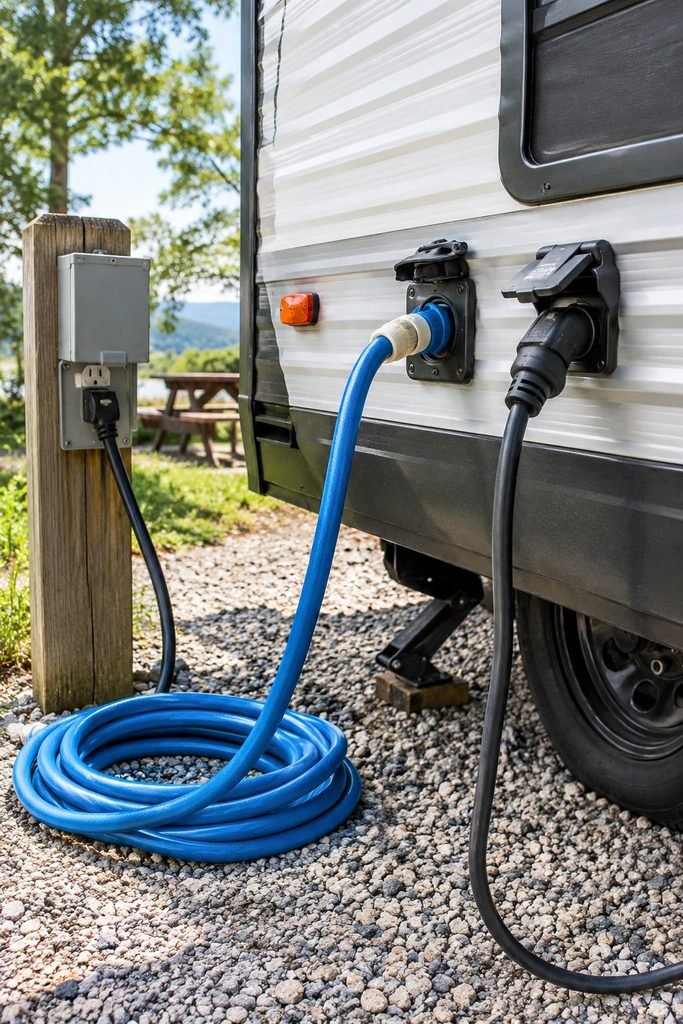
RV hookups make camping more comfortable, but connecting them incorrectly can damage equipment or create safety problems. Before your trip, learn how your particular RV handles electricity, fresh water, wastewater, and propane.
For electrical service, confirm whether your RV requires a 30-amp or 50-amp connection. Use the appropriate rated power cord and any necessary equipment approved for your setup.
A properly rated electrical management device can help protect against certain campground power problems. Never force an incompatible plug into a receptacle or use damaged electrical cords.
When connecting to campground water, use a potable-water hose rather than an ordinary garden hose. A pressure regulator may also be needed to protect your RV’s plumbing from excessive water pressure. Follow the manufacturer’s recommendations for your specific system.
Wastewater connections require careful handling, too. Learn where your gray-water and black-water tanks are located and how their valves operate.
In most conventional setups, the black-water tank should remain closed until dumping so waste stays sufficiently diluted, while the gray-water tank is typically emptied according to the RV manufacturer’s instructions and campground rules.
Before your first hookup, make sure you know how to:
- Identify the correct electrical connection for your RV.
- Connect and disconnect the fresh-water hose safely.
- Monitor your freshwater and wastewater tank levels.
- Operate the water pump and water heater correctly.
- Empty the holding tanks at an approved dump station.
- Shut off utilities safely before departure.
If you are unsure about a connection, consult the RV manual or ask campground staff for help. Taking time to understand the systems is better than learning through an expensive mistake.
5. Pack Smart and Avoid Overloading Your RV

One of the easiest ways to make RV camping more comfortable is to pack only what you need and give every item a designated place. RV storage is limited, and overpacking can make cabinets difficult to use, crowd your living area, and push your vehicle beyond its safe weight limits.
Start by making a packing list based on the length of your trip, the weather forecast, and the amenities available at your campground. A weekend at a full-hookup RV park may require fewer supplies than a week of camping in a remote location without running water or electricity.
Choose multipurpose items whenever possible. Collapsible bowls, nesting cookware, compact outdoor chairs, and stackable storage containers can save valuable cabinet space. Soft-sided organizers also help keep smaller belongings from shifting during travel.
Focus on these RV packing essentials:
- Bedding, towels, and weather-appropriate clothing.
- Basic cooking equipment, reusable dishes, and food storage containers.
- Flashlights, spare batteries, and a first-aid kit.
- Potable-water hoses, electrical cords, and suitable adapters for your setup.
- Cleaning supplies, toilet paper approved for your RV system, and waste-handling gloves.
- Leveling blocks, wheel chocks, and basic tools recommended for your vehicle.
- Outdoor chairs, a doormat, and other campsite comfort items.
Store heavier items low and secure them so they cannot slide or fall when the RV moves. Keep emergency supplies accessible rather than burying them beneath luggage.
Before departure, check your RV’s weight ratings, including its gross vehicle weight rating, axle ratings, and cargo-carrying capacity. Include passengers, supplies, water, and other onboard equipment in your calculations. Never assume that an RV has unlimited storage capacity simply because an item fits inside.
6. Conserve Water and Monitor Your Tank Levels

Water management becomes particularly important when you are camping without full hookups. Your freshwater tank has a limited capacity, while gray-water and black-water tanks need enough room to handle the waste your trip produces.
Even at a campground with water available, sensible use helps prevent unnecessary waste and reduces the frequency of tank maintenance.
Begin by checking your freshwater supply before leaving home. Fill the tank to the level recommended for your trip and setup, keeping vehicle weight limits in mind. If you are staying at a campground with water hookups, you may not need to carry a completely full freshwater tank while traveling.
During your stay, make small changes to reduce water consumption. Turn off the tap while brushing your teeth, use a basin when washing vegetables, and take shorter showers. Keep a separate container for drinking water if that makes your daily supply easier to monitor.
Helpful ways to manage RV water:
- Check the freshwater, gray-water, and black-water tank readings regularly.
- Fix dripping faucets and leaking connections promptly.
- Use water-saving showerheads and faucet aerators where compatible.
- Wash dishes in a small basin instead of letting water run continuously.
- Follow the RV manufacturer’s instructions for tank cleaning and treatment.
- Empty wastewater tanks only at approved dump stations or designated connections.
Tank sensors can become inaccurate because of residue buildup, so do not rely on readings alone if they seem inconsistent. Keep track of how quickly your household uses water and learn what your RV can comfortably support.
For longer trips, identify places where you can refill potable water and dispose of wastewater properly. A little planning helps you avoid running out of water or dealing with a full holding tank at an inconvenient time.
7. Make the Most of Your Electricity
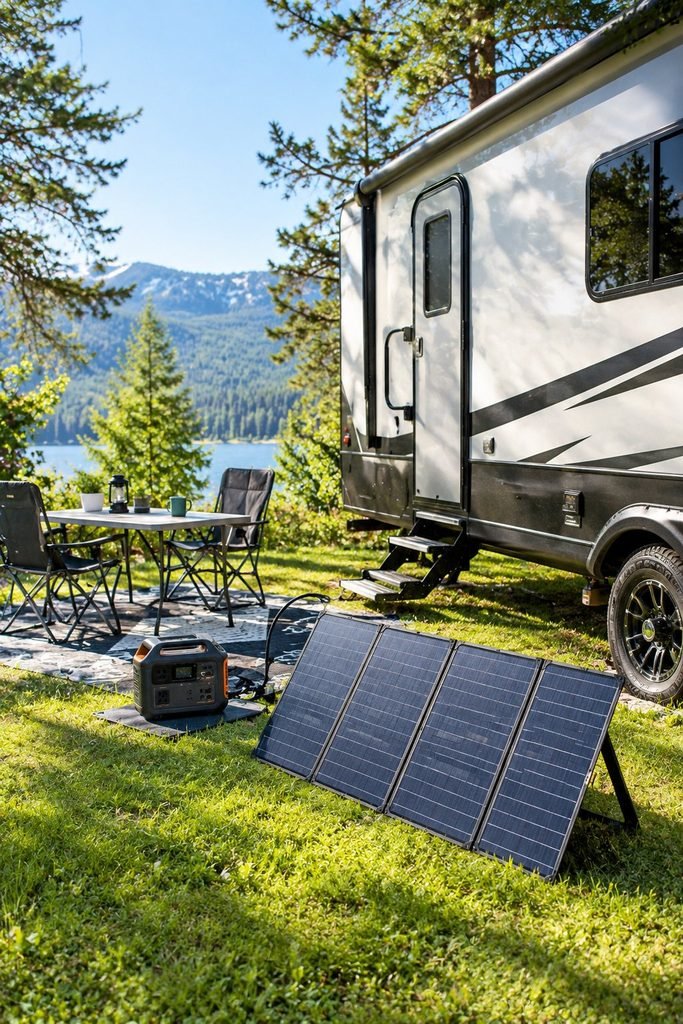
Electricity powers many of the comforts that make RV camping enjoyable, including lighting, refrigeration, ventilation, charging devices, and climate control. However, your available power depends on your electrical system, battery capacity, campground hookup, and the appliances you operate.
Before your trip, learn which appliances draw the most electricity. Air conditioners, electric water heaters, microwaves, and some cooking appliances can use substantial power. Running several high-demand appliances simultaneously may exceed the capacity of your electrical connection.
If you are camping without hookups, conserving battery power becomes even more important. LED lighting, efficient charging habits, and turning off unused devices can help extend your available energy. Solar panels may also help replenish compatible battery systems when sunlight is sufficient.
Try these electricity-saving habits:
- Replace inefficient bulbs with compatible LED lights.
- Charge phones and other small devices when power is readily available.
- Turn off unnecessary lights and electronics when leaving the RV.
- Use ventilation and window coverings to reduce cooling demands when conditions allow.
- Check your battery’s charge level before relying on powered appliances.
- Learn the difference between your RV’s 12-volt battery system and its shore-power appliances.
A portable power station or generator may be useful for certain trips, but choose equipment that meets your needs and follow the manufacturer’s operating instructions. Generators must be operated outdoors in accordance with safety guidance, away from doors, windows, and vents, because carbon monoxide can be deadly.
Never run a generator inside an RV, inside a vehicle, or in an enclosed space. Keep working carbon monoxide alarms installed and maintained according to the manufacturer’s instructions.
8. Level Your RV Before Settling In
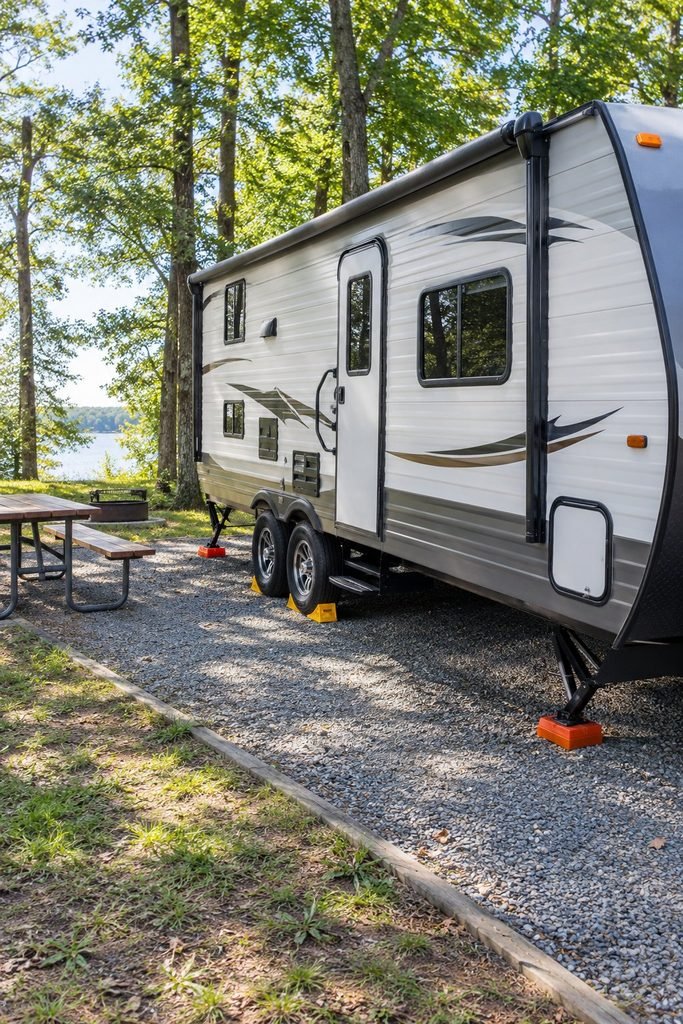
A level RV is more comfortable to live in and can help certain appliances operate correctly. An uneven parking position can cause doors to swing, make sleeping uncomfortable, and create problems with some refrigerator designs.
Before pulling into your campsite, inspect the parking area and identify the safest position for your RV. Avoid soft ground, unstable shoulders, low-hanging branches, and areas where rainwater may collect.
Once parked, use a level to determine which side or end needs adjustment. Depending on your RV, you may use leveling blocks, built-in leveling jacks, or an approved automatic leveling system. Always follow the manufacturer’s instructions for the equipment you have.
A simple leveling routine includes:
- Choose a firm, reasonably flat parking surface.
- Position the RV with enough room for slides and doors to open safely.
- Apply the parking brake and use wheel chocks as appropriate.
- Check the RV’s level from side to side and front to back.
- Adjust the position using approved leveling equipment.
- Deploy stabilizers or leveling systems according to the manual.
Remember that leveling equipment and stabilizers do not all serve the same purpose. Stabilizers are designed to reduce movement, while leveling equipment corrects the vehicle’s position. Never use stabilizer jacks to lift an RV unless the manufacturer specifically permits it.
If your RV has slide-outs, check whether the manufacturer requires the vehicle to be level before extending them. Once everything is secure, you can arrange your outdoor chairs, connect utilities, and start enjoying the campsite.
9. Prepare for Changing Weather Conditions
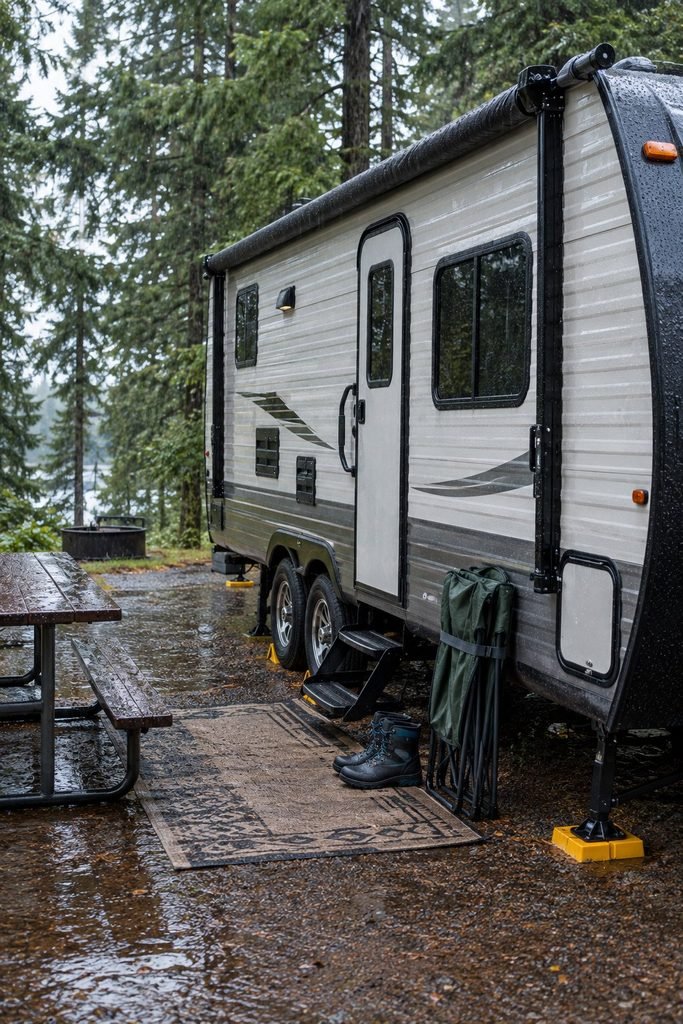
Weather can change quickly during an RV camping trip, particularly in mountainous areas, open parks, coastal regions, and remote campgrounds. Warm sunshine in the morning does not guarantee comfortable conditions throughout the afternoon or evening.
Check the forecast for your destination before departure and continue monitoring it during your stay. Pack layers, rain gear, and suitable footwear even when the initial forecast looks favorable.
Strong winds deserve special attention because they can affect RV handling on the road and damage campsite equipment. Retract awnings when wind conditions approach the limits specified by the manufacturer, and secure lightweight outdoor items before a storm arrives.
Weather preparations worth making include:
- Carrying waterproof jackets and shoes.
- Packing extra blankets or warm clothing for chilly nights.
- Checking awning and outdoor equipment instructions for wind limits.
- Keeping windows, roof vents, and storage compartments secured during severe weather.
- Moving outdoor furniture and loose equipment before storms.
- Knowing where to seek shelter if severe weather threatens.
Heavy rain can cause flooding around campsites, while thunderstorms may bring lightning, hail, and dangerous wind. Avoid parking in low-lying areas, dry creek beds, or locations vulnerable to flash flooding. Follow campground staff instructions and local emergency alerts if conditions deteriorate.
Never assume that remaining inside an RV is safe during every weather emergency. For tornadoes, flash floods, and other severe threats, follow local emergency guidance and move to an appropriate designated shelter when advised.
Preparing for the weather makes it easier to adjust your plans without sacrificing the entire trip.
10. Follow Campground Etiquette and Keep Safety a Priority

A good camping experience depends on more than your own setup. Respecting other campers, following campground rules, and maintaining a safe campsite help everyone enjoy their stay.
Begin by observing quiet hours and keeping music, conversations, and generators at considerate levels. Avoid walking through neighboring campsites without permission, and keep pets under control while cleaning up after them promptly.
Be mindful of shared facilities, including laundry rooms, restrooms, showers, and dump stations. Leave these spaces clean for the next person and follow any posted instructions.
Safety should remain part of your daily routine, too. Keep a suitable fire extinguisher accessible, test smoke and carbon monoxide alarms as recommended, and learn how to shut off your RV’s utilities in an emergency.
Remember these important campsite habits:
- Follow fire restrictions and use designated fire rings where permitted.
- Never leave a campfire unattended, and extinguish it completely before leaving or going to sleep.
- Keep children and pets away from moving vehicles, hot surfaces, and electrical connections.
- Store food securely when camping in areas with wildlife.
- Keep emergency contacts, a first-aid kit, and a flashlight readily available.
- Dispose of rubbish and wastewater only in approved locations.
- Follow posted speed limits and campground instructions.
When your stay ends, inspect the campsite before driving away. Disconnect utilities properly, secure all loose equipment, retract the awning and slide-outs, and check that storage compartments are closed. Walk around the RV to make sure nothing has been left behind or positioned unsafely.
A careful departure routine is just as valuable as a good arrival routine.
How to Make Every RV Camping Trip Easier
The best RV camping habits are the ones that prevent small problems from becoming major inconveniences. You do not need expensive upgrades or a complicated checklist to get started. A little planning, basic maintenance, and an organized setup can make a noticeable difference.
Before your next trip, focus on these priorities:
- Plan a route suitable for your RV’s dimensions and weight.
- Reserve a campsite that meets your space and hookup requirements.
- Inspect your tires, lights, towing equipment, and exterior compartments.
- Learn how to connect and disconnect your RV’s utilities.
- Pack efficiently and stay within your vehicle’s weight limits.
- Monitor water and electricity use.
- Level and secure your RV before setting up camp.
- Check weather conditions and prepare for unexpected changes.
- Respect campground rules and neighboring campers.
- Complete a safety check before driving away.
Keep a written checklist in your RV so you can use it before each departure and arrival. After a few trips, you will learn which supplies you use most often, how much water your household needs, and which parts of your setup require extra attention.
Final Thoughts
RV camping offers a flexible way to explore new destinations while enjoying the convenience of having your own living space nearby. The experience becomes much easier when you understand your vehicle, plan your stops carefully, and prepare for the practical details of life at a campsite.
These 10 RV camping tips can help you avoid common mistakes, use your supplies wisely, and feel more confident whether you are heading out for a weekend or planning a longer road trip.
Start with the essentials, make safety a priority, and adjust your routine as you gain experience. With a well-prepared RV and a little flexibility, you can spend less time troubleshooting and more time enjoying the places you travel to.