
RV Living Hacks: 10 Things I Wish I Knew
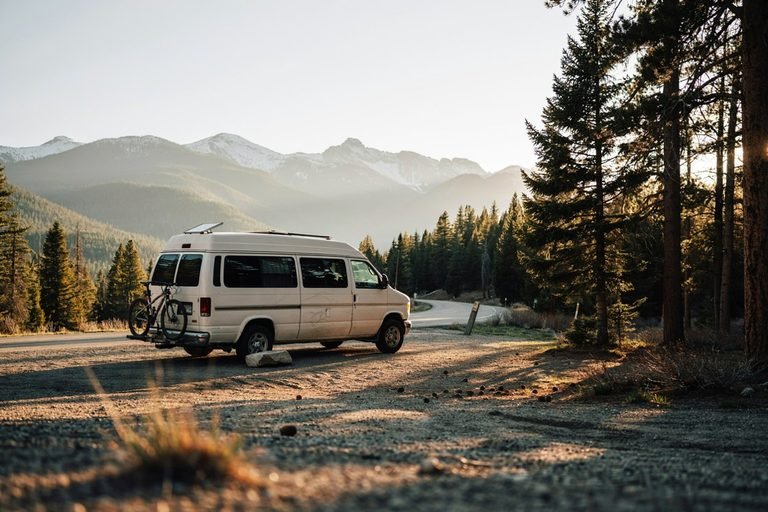
Living in an RV can look like the perfect combination of freedom, adventure, and a simpler lifestyle. You get to wake up in new places, bring your home along on road trips, and make the most of a small space without giving up the experiences that make traveling exciting.
But once you start dealing with limited storage, changing weather, water supplies, and everyday routines, you quickly realize that RV living requires a different kind of planning.
The little things can make the biggest difference. A poorly organized kitchen cabinet can become frustrating on a bumpy road, a full storage compartment can make finding basic supplies difficult, and forgetting to check your water or power levels can disrupt an otherwise relaxing day.

Many of these problems are easier to prevent when you know what to expect.
These RV living hacks focus on practical lessons that can help make life in a camper or motorhome more comfortable, organized, and manageable.
Whether you are preparing for your first extended RV trip, transitioning to full-time RV living, or simply looking for smarter ways to use your space, these ideas can help you avoid common frustrations and enjoy the experience more.
Why RV Living Requires a Little Extra Preparation

RV living can be exciting, but everyday life works a little differently when your home is also your vehicle. You have less storage space, limited water and electricity depending on your setup, and more systems to maintain than you might have in a traditional house. The sooner you understand these differences, the easier it becomes to settle into a comfortable routine.
One thing I would prioritize is learning how your RV works before taking a long trip. Find out how to monitor your fresh water, gray water, and black water tanks. Understand your battery system, know which appliances use the most power, and learn how to operate your refrigerator, water heater, and other essential equipment. These basics can save you from unnecessary stress when you are parked far from a campground service point.
It also helps to prepare for the unexpected. Keep a basic tool kit, a first-aid kit, a flashlight, and essential maintenance supplies somewhere accessible. Check the weather before traveling, especially when freezing temperatures or heavy rain could affect your plans.
I would also avoid filling every cabinet as soon as you move in. Spend some time learning which items you use regularly and which ones simply take up space. Once you understand your daily routine, you can organize the RV around your actual needs instead of buying storage products you may never use.
The biggest lesson is to prepare before a problem appears. A little planning makes RV living more comfortable, helps you manage your resources, and gives you more time to enjoy the freedom of life on the road.
1. Make Every Storage Space Work Harder
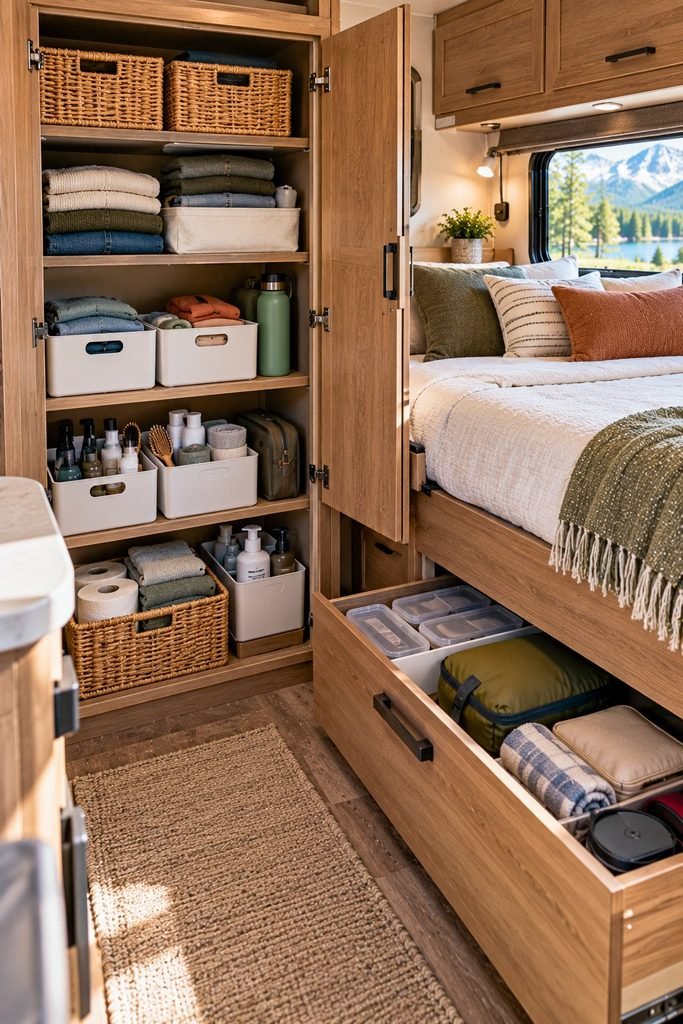
One of the first things you notice when living in an RV is how quickly everyday belongings take over. Clothing, kitchen supplies, toiletries, cleaning products, outdoor equipment, and food all need a place, but traditional home storage solutions do not always fit a camper’s compact layout.
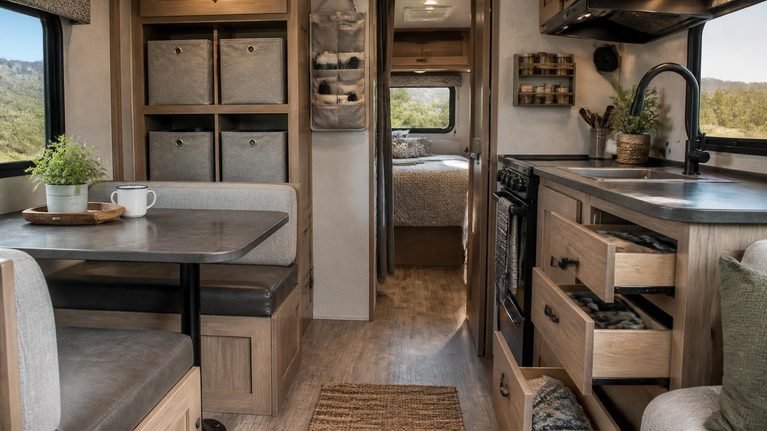
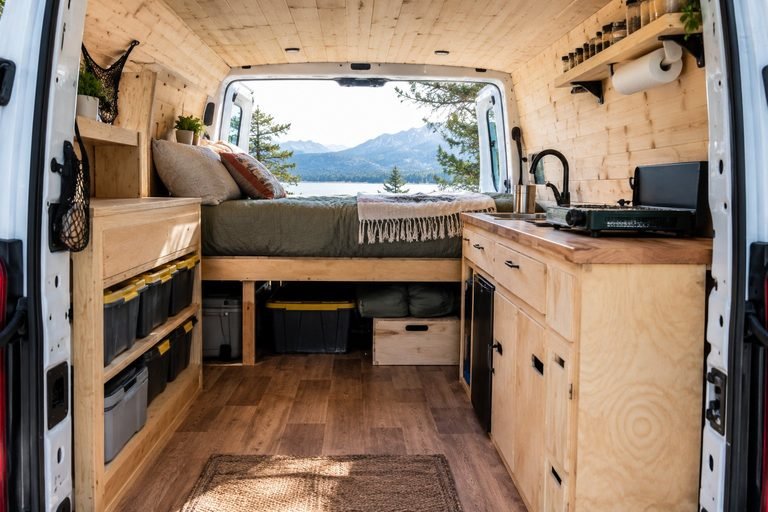
The best approach is to use the space you already have before buying additional organizers. Look inside cabinets, beneath seating, under the bed, and above frequently used work areas. These spaces can often hold more than you expect when you organize them carefully.
I would start with a simple rule: keep the items you use every day within easy reach and move seasonal or occasional supplies into less accessible storage. Cooking utensils, coffee supplies, toiletries, and frequently worn clothing should not require unpacking half a cabinet to find.
Small stackable bins can help group similar items together. Use them for snacks, bathroom products, charging accessories, or cleaning supplies. Choose containers that fit the cabinet dimensions and leave enough room to open doors and drawers without forcing anything into place.
Vertical storage is particularly useful in RVs. Adjustable shelf organizers, compact hanging pockets, and narrow baskets can make unused space more functional. However, avoid filling every available gap just because it exists. You still need room to remove items comfortably and prevent belongings from becoming trapped behind one another.
Before buying anything, measure your cabinets and storage compartments. A container that works perfectly in a house may waste valuable space in an RV.
My practical tip: Start with one cabinet or storage area at a time. Remove everything, group similar belongings, and return only what you actually need. A few well-organized spaces are more useful than a camper filled with storage products that create additional clutter.
2. Secure Everything Before You Start Driving
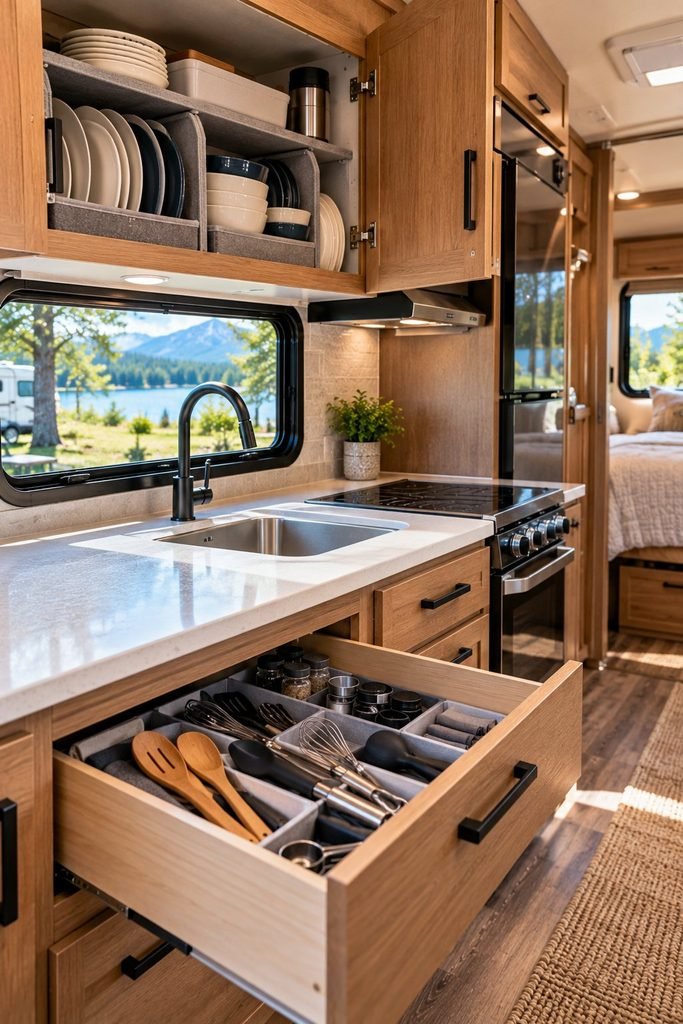
An RV can look perfectly organized while parked and become a completely different place once you hit the road. Drawers slide open, lightweight containers tip over, and items that seemed stable on a counter can end up on the floor after a turn or sudden stop.
This is why securing your belongings should become part of your regular departure routine.
Begin with the kitchen. Use nonslip shelf liners to help prevent plates, bowls, and containers from shifting. Store breakable items in padded organizers, and keep heavier objects in lower cabinets whenever possible. Lightweight plastic or other travel-friendly tableware can also reduce the risk of breakage.
Cabinet latches and drawer locks are worth checking regularly. If a latch no longer closes securely, repair or replace it before traveling. Do not rely on a cabinet door simply because it appears to be shut.
The same principle applies to the bathroom. Secure toiletries, cleaning products, and small accessories in bins or drawers. Place bottles upright where possible and check that their caps are tightly closed.
Loose electronics, chargers, remote controls, and decorative objects also need attention. Put them away in designated compartments instead of leaving them on tables or countertops.
Before departure, walk through the RV and check every room. Close and latch cabinets, secure loose furniture accessories, store countertop items, and make sure the refrigerator door is closed properly. Follow your RV manufacturer’s instructions for travel preparation, including anything that needs to be secured or disconnected.
My practical tip: Create a short pre-drive checklist and keep it somewhere visible. Repeating the same checks before every trip takes less time than dealing with broken dishes, spilled supplies, or damaged belongings later.
3. Keep a Dedicated Place for Everyday Essentials
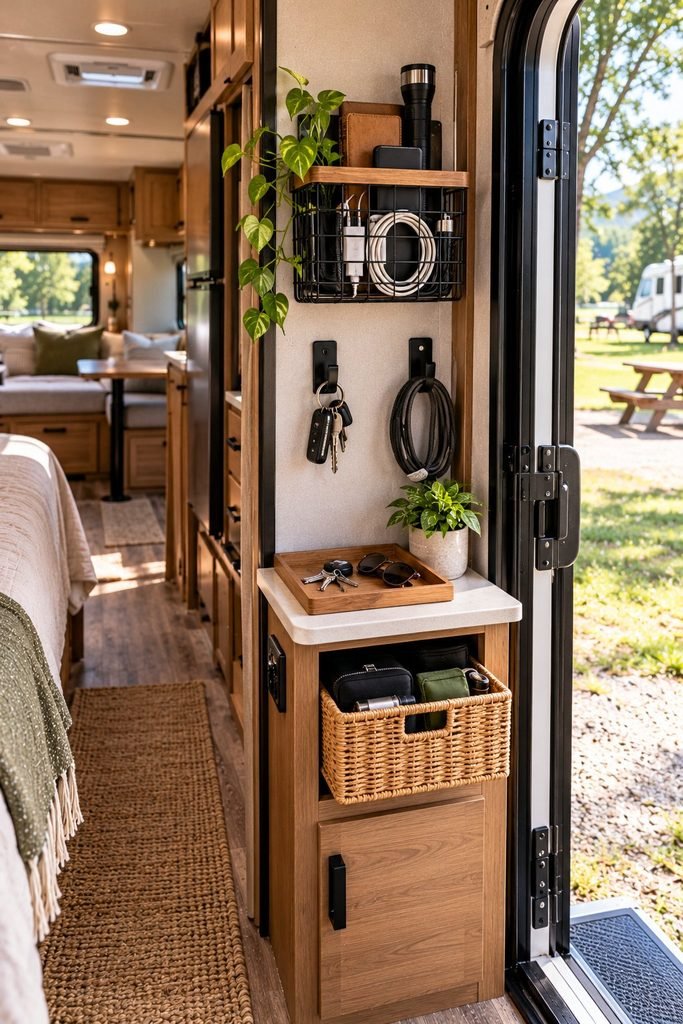
Small items are surprisingly easy to lose in an RV. Keys, sunglasses, charging cables, flashlights, sunscreen, and personal documents can move from one surface to another until nobody remembers where they belong.
A dedicated essentials station solves much of this frustration. Choose a small area near the entrance or another convenient location and give each frequently used item a consistent home.
A shallow tray, compact wall organizer, or small basket may be enough. Keep keys, sunglasses, a flashlight, and other daily necessities together. If you travel with several people, consider separate compartments so everyone knows where their belongings belong.
Charging accessories deserve their own organized space, too. Use a small cable organizer or labeled pouch to separate phone chargers, power banks, and other electronics. This prevents tangled cables and makes it easier to find the correct accessory when you need it.
Travel documents and important paperwork should be stored in a secure, dry location rather than left on the dashboard or kitchen counter. Keep emergency contact information and essential vehicle documents accessible without placing them where they can easily fall or become damaged.
The goal is not to create another elaborate storage system. It is to eliminate the habit of putting important items down wherever there happens to be space.
My practical tip: Whenever you return to the RV, put your keys, sunglasses, and other daily essentials back in their designated places immediately. That small habit can make mornings and departure days much less stressful.
4. Learn to Manage Your Water Supply Efficiently

Water management is one of the most important parts of RV living, particularly when staying at campgrounds without full hookups or traveling between remote locations.
Your RV may have a fresh-water tank, a gray-water tank for wastewater from sinks and showers, and a black-water tank for toilet waste. Understanding their capacities and monitoring their levels helps you plan your daily routines and avoid unpleasant surprises.
Start by learning how much water your RV holds and how quickly your household typically uses it. Shower length, dishwashing habits, toilet use, and laundry can all affect how often you need to refill or empty tanks.
Simple changes can reduce unnecessary water use. Turn off the tap while brushing your teeth, avoid leaving water running while washing dishes, and consider a brief shower rather than a long one when your supply is limited.
A basin can be useful for washing vegetables or collecting water during certain cleaning tasks, provided you dispose of it appropriately. For dishwashing, scrape food scraps into the trash before washing to reduce mess and help prevent avoidable clogs.
Keep an eye on your tank gauges, but do not assume every reading is perfectly accurate. Sensors can become dirty or malfunction, so learn the behavior of your own system and follow the manufacturer’s maintenance recommendations.
Use potable-water hoses and appropriate fittings for drinking-water connections. Keep freshwater equipment clean and separate from wastewater hoses, and follow campground rules for filling and dumping tanks.
My practical tip: Check your water levels before leaving a full-hookup campground or heading somewhere more remote. Knowing your available supply makes it easier to decide how long you can comfortably stay without replenishing it.
5. Create a Simple Kitchen System for Small-Space Cooking
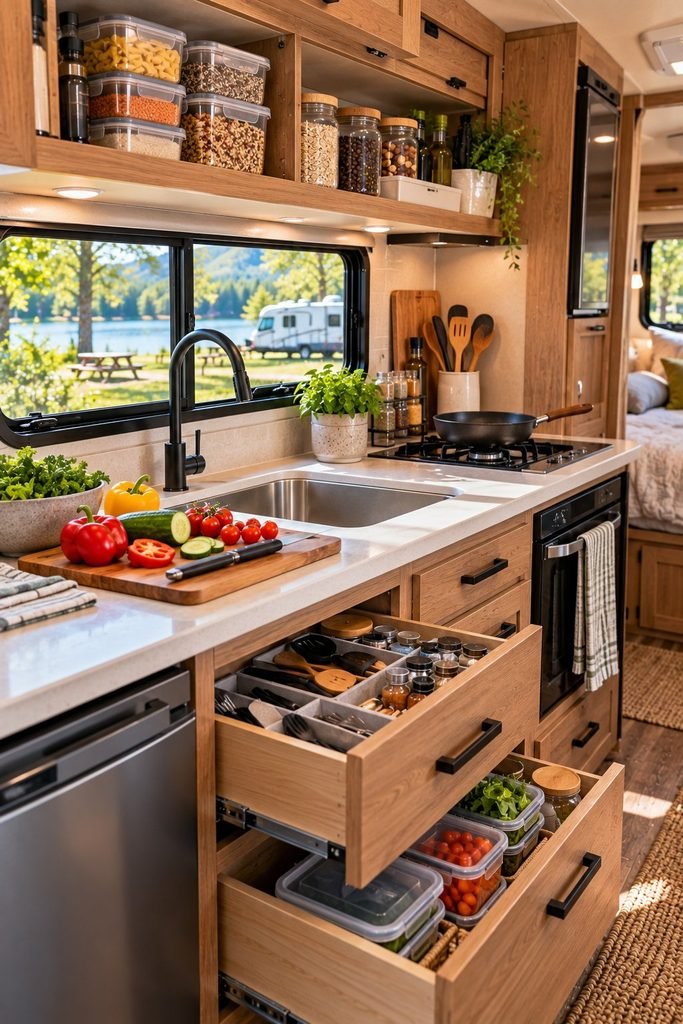
An RV kitchen can prepare surprisingly satisfying meals, but it rarely offers the same counter space and storage capacity as a traditional home kitchen. Cooking becomes much easier when your supplies are organized around the way you actually prepare food.
Start by identifying the ingredients and utensils you use most often. Keep everyday spices, cooking oil, basic utensils, and frequently used pans in convenient locations. Move specialty appliances and rarely used equipment into less accessible storage.
Choose multipurpose kitchen tools when practical. A nesting set of bowls, collapsible colander, compact cutting board, and stackable food containers can save valuable cabinet space. Before purchasing a new appliance, consider whether it performs a task you can already accomplish with something you own.
Food storage also deserves attention. Use appropriately sized airtight containers for dry goods, and organize pantry supplies into groups such as breakfast foods, snacks, baking ingredients, and meal staples. This makes it easier to see what you have and reduces the chance of buying duplicates.
Keep heavier food containers secured during travel, and avoid overloading shelves beyond their rated capacity. Check refrigerator contents before departure, especially glass jars and other items that could shift or break.
Meal planning can reduce both clutter and food waste. Choose several meals that share ingredients, prepare a basic shopping list, and use perishable foods before they spoil. Simple recipes that require fewer pots and pans are particularly convenient when counter space is limited.
Remember that cooking appliances must be used according to their safety instructions. Keep the cooking area ventilated as required, never leave an active stove unattended, and follow the RV manufacturer’s guidance for using appliances while parked or traveling.
My practical tip: Keep a small collection of reliable, easy-to-prepare meals for busy travel days. Having a few dependable options makes it easier to eat well without filling every cabinet with ingredients and gadgets.
6. Use Lighting to Make Your RV Feel Bigger and More Comfortable

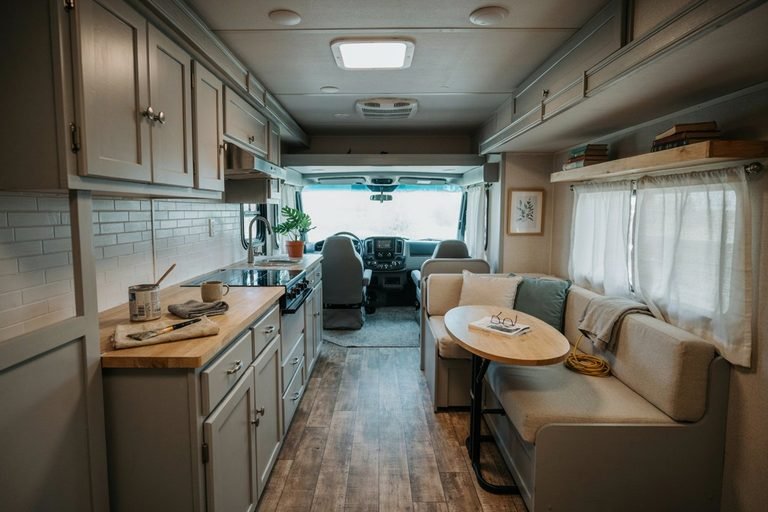
Lighting can change how a small RV feels without requiring a major renovation. A poorly lit interior may feel cramped and difficult to use, while well-placed lighting can make the same space feel more inviting and functional.
Start by looking at the areas you use most often. The kitchen counter needs enough light for food preparation, the seating area benefits from comfortable evening lighting, and the sleeping area should have a convenient light that does not disturb everyone else.
If your RV has dim or harsh overhead lights, consider adding suitable LED lighting where permitted. LED fixtures generally use less electricity than comparable traditional lighting, making them a practical choice for RVs where battery capacity matters. Check the fixture specifications and your RV’s electrical requirements before replacing lights.
Portable rechargeable lamps can also be useful. You can move one from the dining area to the bedroom or take it outside when you need extra light around the campsite. Choose stable designs that will not easily tip over during normal use.
Small decorative lights can add atmosphere, but avoid letting cords cross walkways or interfere with doors, cabinets, and emergency exits. Keep lighting equipment away from flammable materials and follow the manufacturer’s instructions for charging and operation.
Natural light matters, too. Keep windows clean and avoid blocking them with unnecessary storage. Lightweight curtains or suitable window coverings can provide privacy while still allowing you to enjoy daylight when you want it.
My practical tip: Focus on lighting the places where you cook, read, work, and relax before buying decorative lights. Functional lighting makes everyday RV living easier, while a few warm accent lights can make the space feel more like home.
7. Make Your Bathroom Easier to Organize
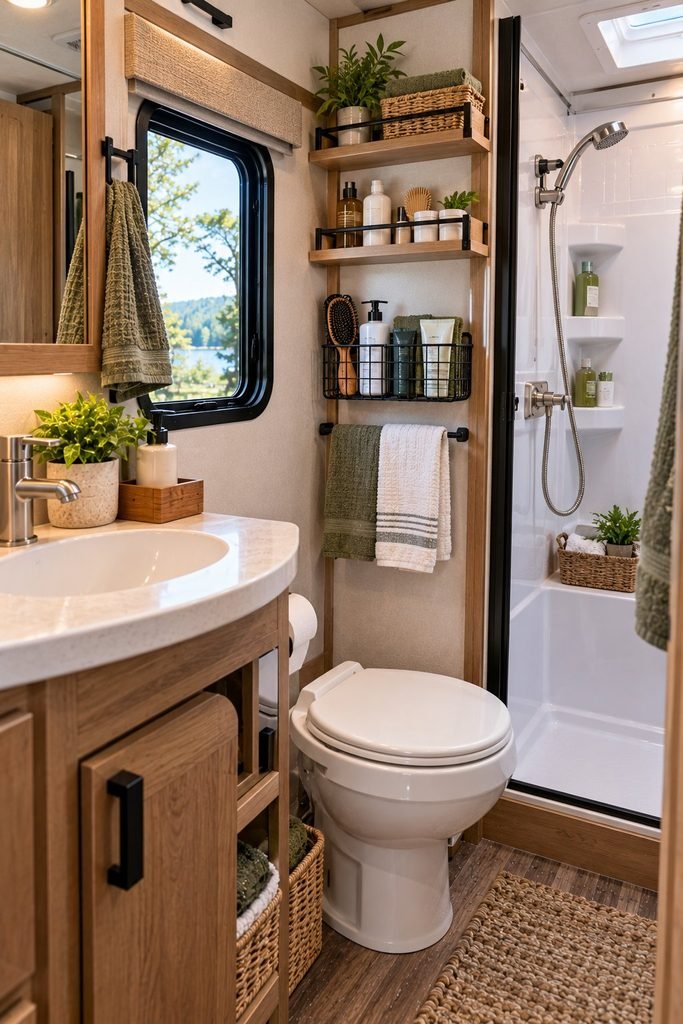
RV bathrooms are often among the smallest spaces in the entire vehicle. A few toiletries, towels, and cleaning supplies can quickly make the counter feel crowded, especially when several people share the same bathroom.
The easiest solution is to limit what stays out in the open. Keep daily toiletries in a small caddy or organizer, and store backup products elsewhere. This reduces countertop clutter and makes cleaning easier.
Use vertical space when it is available. A suitable hanging organizer, compact wall-mounted holder, or over-the-door storage pocket can provide space for lightweight items without taking up the entire counter. Before installing anything, check that it will not damage the wall, interfere with plumbing, or obstruct the door.
Moisture management is particularly important in a small bathroom. Use the ventilation system as intended, wipe up standing water, and hang towels where they can dry between uses. Damp towels left in a confined space can develop unpleasant odors and contribute to moisture problems.
Choose toiletries that fit your storage space. Smaller containers may be convenient for shorter trips, while refillable bottles can help reduce packaging during longer stays. Keep products sealed and secured before driving to prevent spills.
Cleaning supplies should also have a designated home. Store them securely, follow their product labels, and keep incompatible chemicals separate. Never mix cleaning products unless their labels explicitly permit it.
My practical tip: Keep a small daily-use bathroom caddy that can be lifted out when you need to clean the counter. It saves space and makes the bathroom easier to maintain.
8. Create a Laundry Routine That Works in a Small Space
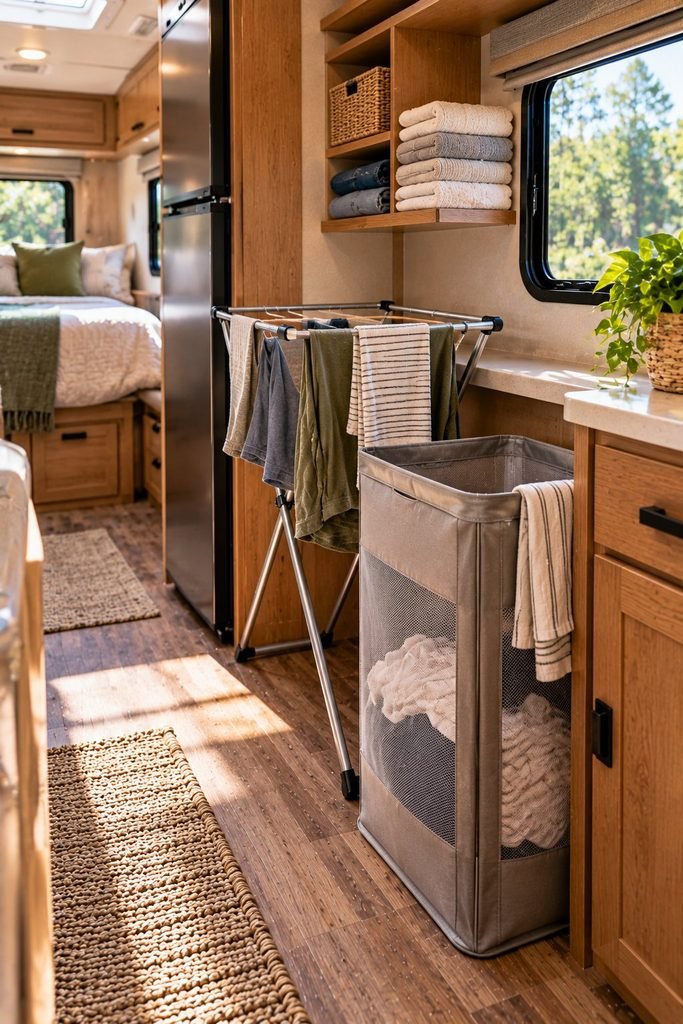
Laundry can become a bigger challenge than expected when living in an RV. Dirty clothes accumulate quickly, but there may be limited room for a hamper, and damp towels or sweaty clothing can make a small interior feel stuffy.
A simple routine helps prevent laundry from taking over your living space. Start with a compact hamper or breathable laundry bag that fits into an available storage area. Choose one with enough capacity for your needs without blocking a walkway or reducing access to essential equipment.
Separate wet items from dry laundry. Swimsuits, damp towels, and rain-soaked clothing should not sit in a closed bag for extended periods. Allow them to dry in an appropriate, ventilated area before storing them with other clothes.
If you use campground laundry facilities, plan laundry days around your travel schedule. Collect enough clothing for a practical load without waiting until every item is dirty. This can help you avoid carrying excess clothing simply because you are unsure when you will wash it.
For longer trips, consider a compact drying rack that folds away when not in use. Check the weather and ventilation before drying clothes indoors, since excess moisture can contribute to condensation. Avoid hanging laundry where it blocks exits, covers heating equipment, or interferes with safe movement.
You can also reduce laundry volume by packing versatile clothing that can be worn in different combinations. Choose items appropriate for your destination and activities rather than bringing multiple outfits for every possible occasion.
My practical tip: Establish a regular laundry day and keep your hamper in the same location. A predictable routine prevents dirty clothes from spreading into the bedroom, seating area, and storage compartments.
9. Prepare for Different Weather Conditions Before They Arrive

Weather can change quickly when you travel by RV. A warm afternoon may turn into a chilly evening, while heavy rain, strong winds, or freezing temperatures can affect how comfortable and safe your campsite feels.
Preparation begins with checking the forecast for your destination before setting out. Look beyond the daytime high and pay attention to overnight lows, wind, rainfall, and any severe weather warnings.
Keep a practical collection of clothing for changing conditions. A lightweight rain jacket, warm layers, comfortable footwear, and spare socks can be useful across a range of destinations. Store seasonal items together so you can reach them without unpacking the entire RV.
Window coverings can help manage comfort, too. Appropriate insulating shades may reduce heat loss during colder weather, while suitable blinds and ventilation can help manage sunlight and indoor temperatures. Follow the RV manufacturer’s guidance for ventilation and window use.
During hot weather, use shade where available, manage sunlight entering the RV, and ventilate appropriately when conditions allow. During cold weather, inspect the vehicle’s weather seals and understand how your water system should be prepared for freezing conditions.
Never assume that an RV’s plumbing, tanks, or exposed water lines are protected against every temperature. Learn which components are vulnerable and follow the manufacturer’s winterization instructions when freezing weather is expected.
If severe weather threatens, prioritize safety over maintaining your travel schedule. Follow campground instructions, monitor official weather alerts, and be prepared to relocate or seek appropriate shelter when necessary.
My practical tip: Keep a small weather-ready bag near the entrance with rain gear, warm layers, and spare socks. It is much easier to prepare for a sudden change when the essentials are already together.
10. Build a Simple Maintenance Routine to Avoid Expensive Problems
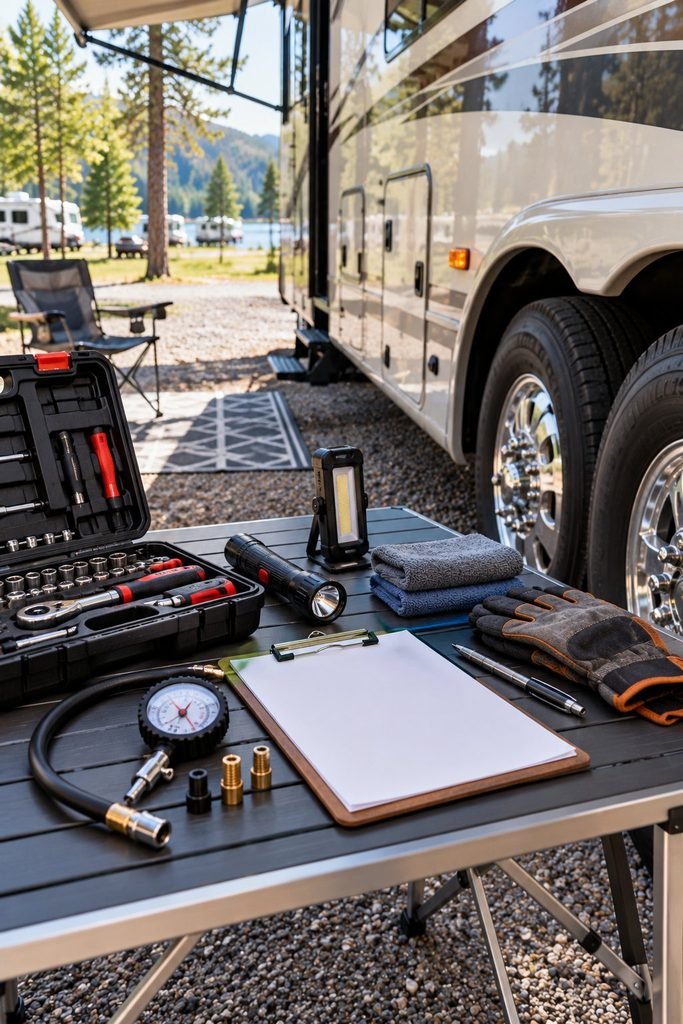
RV maintenance may not be the most exciting part of the lifestyle, but it can prevent many of the problems that interrupt a trip. Small checks performed regularly can help you identify issues before they develop into costly repairs.
Create a routine that covers the areas most important to your particular RV. Depending on the vehicle and its equipment, this may include tire condition and pressure, exterior seals, lights, batteries, plumbing connections, appliances, and safety devices.
Before every journey, complete the travel checks recommended by the manufacturer. Confirm that storage compartments are secured, tires are in suitable condition, exterior connections are disconnected where required, and loose items are safely stowed. Motorhome owners should also follow the vehicle’s driving and inspection requirements.
During longer stays, check for signs of water leaks around windows, roof openings, plumbing fixtures, and accessible compartments. Water damage can become expensive if moisture remains hidden for long periods. If you notice persistent dampness, soft surfaces, unusual odors, or visible damage, investigate promptly and seek professional help when necessary.
Pay attention to battery performance and electrical connections. Use compatible chargers and equipment, avoid overloading circuits, and have unfamiliar electrical issues assessed by a qualified technician.
Safety devices deserve their own checks. Test smoke alarms and carbon monoxide detectors according to their instructions, monitor expiration dates where applicable, and keep appropriate fire safety equipment accessible. Never disable an alarm simply because it sounds inconvenient.
Keep a maintenance record with service dates, repairs, inspections, and any recurring problems. This makes it easier to notice patterns and remember when important tasks are due.
My practical tip: Set aside a short period each week for a basic RV check and complete the manufacturer’s recommended maintenance on schedule. A consistent routine is easier to manage than trying to remember everything when something breaks.
Bonus RV Living Hacks for Everyday Comfort

Once your main systems are organized, a few smaller habits can make daily life in an RV feel much smoother.
Use multipurpose furniture and accessories. A storage ottoman, folding table, or collapsible stool can provide extra function without permanently occupying valuable floor space. Make sure movable items are secured before driving.
Keep cleaning supplies easy to reach. A compact cleaning kit makes it easier to deal with dirt, spills, and muddy footprints before they spread through the RV.
Create a place for shoes near the entrance. A small washable mat and compact shoe organizer can help contain dirt without blocking the doorway.
Keep track of supplies before shopping. Check your pantry, toiletries, and cleaning products before buying more. This helps prevent duplicate purchases and overcrowded cabinets.
Use a weekly reset routine. Spend a few minutes returning items to their designated places, wiping counters, checking food supplies, and preparing for the next travel day.
Leave some empty storage space. A completely packed RV is difficult to maintain. A little room in cabinets and bins makes it easier to put items away and accommodate supplies during longer trips.
Common RV Living Mistakes to Avoid

Even small oversights can create frustration when space and resources are limited. These are some of the most useful mistakes to avoid.
Buying organizers before measuring. Containers that do not fit properly waste space and can become difficult to remove.
Overpacking kitchen supplies. Multiple gadgets that perform the same task occupy storage space you could use for everyday essentials.
Ignoring water and waste tank levels. Monitoring your systems helps you plan refills and dumping stops instead of waiting until a problem develops.
Leaving loose items out during travel. Unsecured belongings can break, spill, or become hazards when the RV moves.
Ignoring small leaks. Water damage can spread behind walls and cabinets, so investigate signs of moisture promptly.
Forgetting ventilation. Cooking, showering, and drying clothes can add moisture to a small interior. Use the RV’s ventilation systems as intended.
Skipping maintenance. Regular inspections and scheduled servicing can help prevent avoidable breakdowns and identify developing issues early.
Frequently Asked Questions
What are the most useful RV living hacks for beginners?
Start with secure storage, a dedicated place for everyday essentials, efficient water use, and a simple maintenance checklist. These habits address common problems without requiring expensive upgrades.
How do I make a small RV feel less cluttered?
Keep frequently used items accessible, remove belongings you rarely need, and use storage containers that fit your cabinets. Leave some empty space so you can put items away easily and avoid overcrowding.
How can I save water while living in an RV?
Take shorter showers, turn off taps when water is not needed, scrape food from dishes before washing, and monitor your tank levels. Plan refills around your route and use safe, approved freshwater equipment.
How do I keep items from falling during RV travel?
Use nonslip liners, secure storage bins, functional cabinet latches, and travel-friendly containers. Complete a pre-drive check to ensure cabinets, drawers, appliances, and loose belongings are secured according to your RV manufacturer’s instructions.
How often should I maintain my RV?
Follow the manufacturer’s maintenance schedule and inspect important systems before trips and during longer stays. The exact frequency depends on your RV, usage, mileage, climate, and equipment.
Is RV living practical for full-time use?
It can be, provided you plan for storage, utilities, maintenance, finances, and changing weather. The most practical setup is one that matches your travel habits and daily needs rather than one filled with accessories you rarely use.
Final Thoughts
RV living becomes easier when you focus on practical systems rather than trying to make a small space work exactly like a traditional house. Organized storage, secure belongings, efficient water use, a functional kitchen, and a consistent maintenance routine can make everyday life more comfortable.
You do not need to change everything at once. Start with the areas that cause the most frustration, whether that means reorganizing your cabinets, creating a dedicated place for everyday essentials, or building a checklist for travel days.
The best RV living hacks are the ones that fit your actual routine. Keep what works, adjust what does not, and avoid adding unnecessary equipment that takes up more space than it saves.
With a little planning and a few consistent habits, your RV can become a more organized, comfortable, and dependable home on the road.