Camping Must Haves That Save Every Trip
When I pack for a camping trip, I have learned that the little things can make a much bigger difference than expected.
A campsite can look simple when you are planning at home, but once you are outside, a missing light, uncomfortable chair, weak power source, or poor storage solution can quickly become frustrating.
I like bringing practical camping gear that solves real problems without filling the vehicle with things I rarely use.
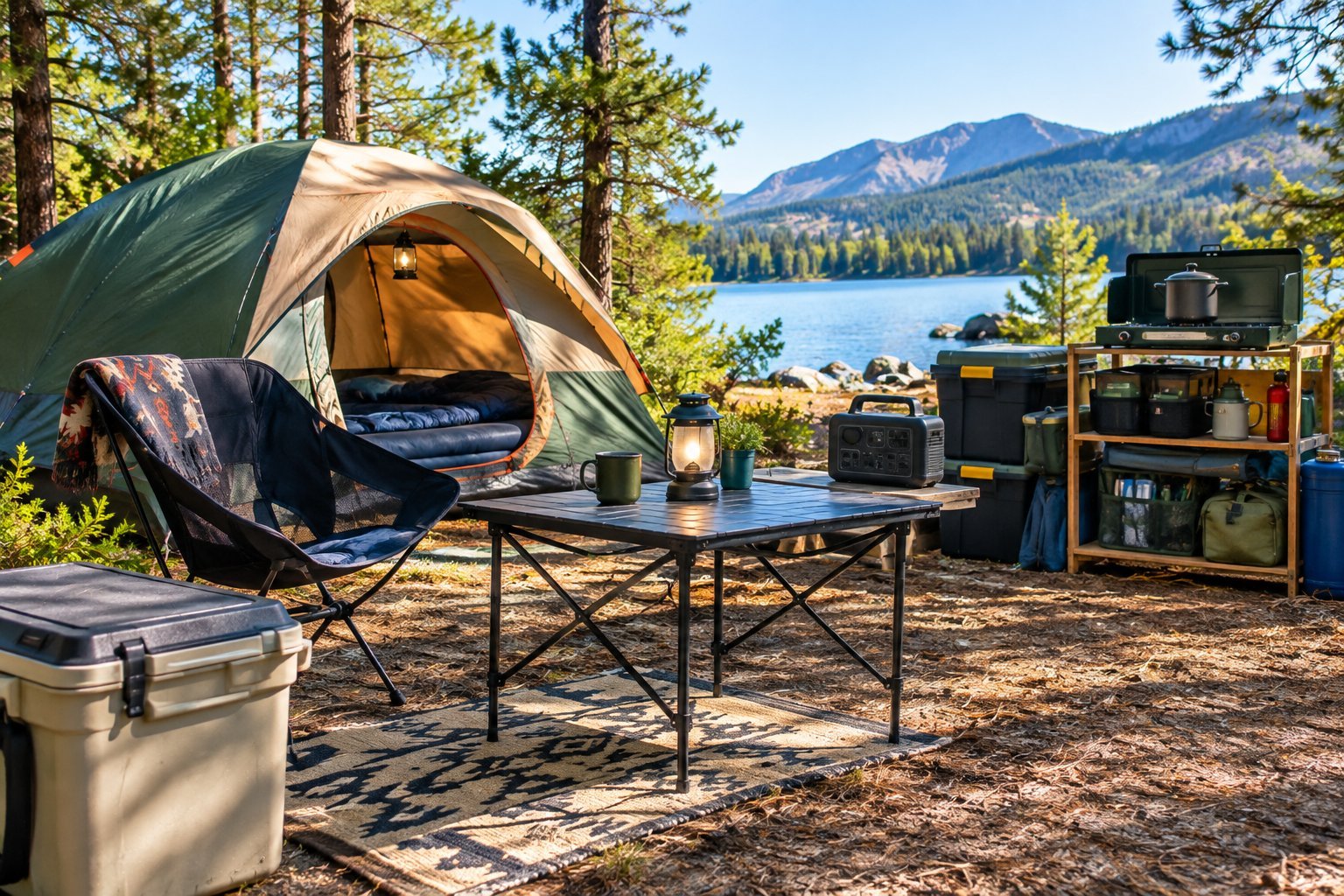
Over time, I have become much more selective about what goes into my camping setup. The best camping essentials are the items that make cooking easier, keep the campsite organized, improve comfort, or help when something unexpected happens.
I also look for gear that is compact, durable, and easy to use because packing space is always valuable.
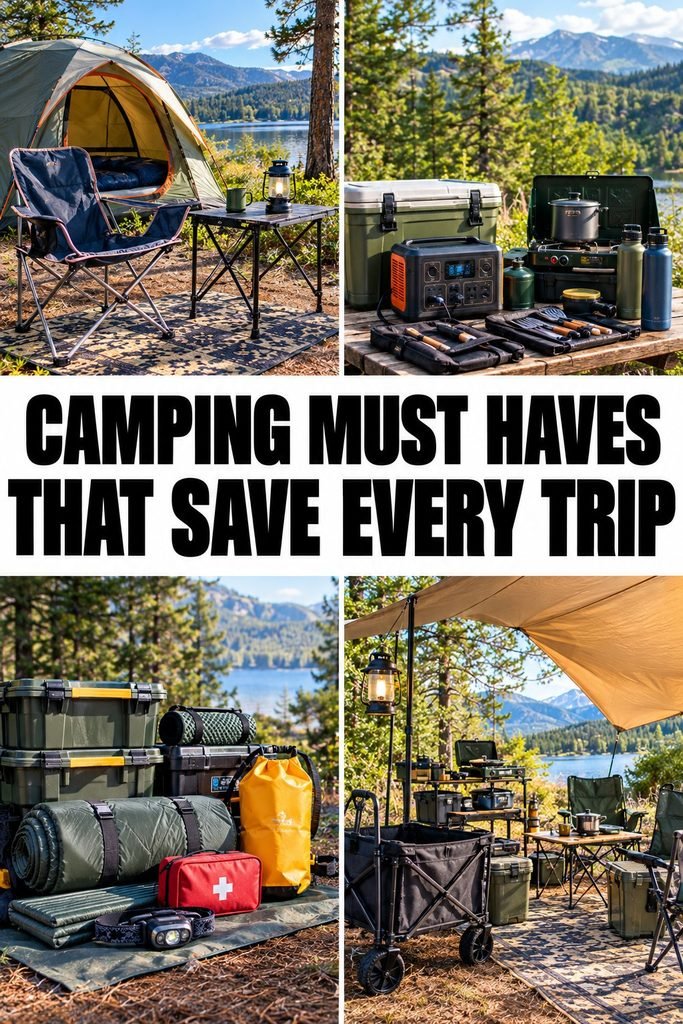
In this guide, I am sharing the camping must haves I would actually want with me on a trip. These are practical items that can make setting up camp, relaxing outdoors, cooking meals, and handling small problems much easier.
1. A Reliable Camping Lantern
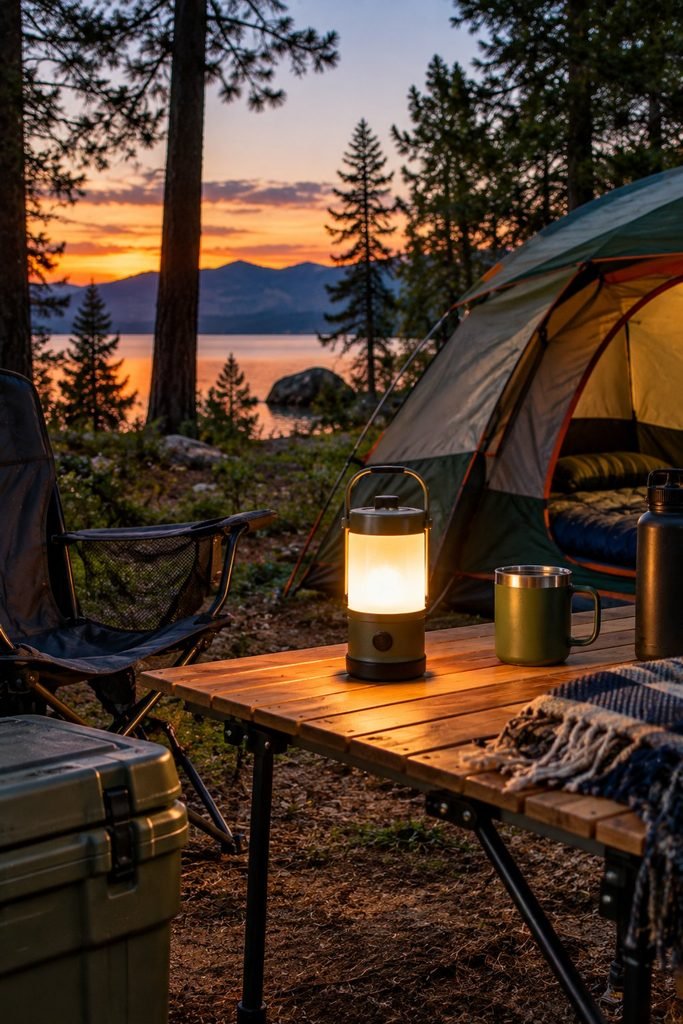
A good lantern is one of the first things I make sure is packed because daylight disappears quickly at a campsite. Having dependable lighting makes everything from preparing dinner to finding something inside a tent much easier.
I prefer a rechargeable lantern with several brightness settings because I can use a softer setting inside the tent and a brighter setting around the campsite. A lantern that can run for several hours on one charge is especially useful when there is no convenient power source nearby.
I also like lanterns that can be hung from a tent hook or placed on a picnic table. That small feature keeps the light elevated and spreads illumination across a larger area instead of leaving you with one bright spot.
2. A Comfortable Camping Chair
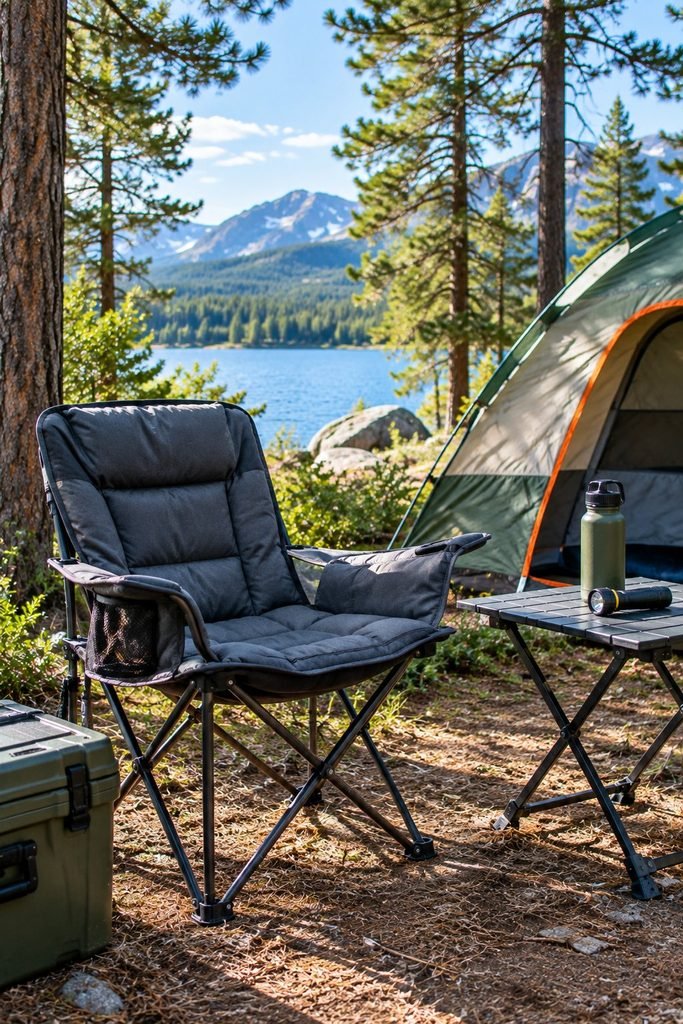
A camping chair can easily become one of the most used items at a campsite. After spending time hiking, setting up camp, or preparing food, having somewhere comfortable to sit makes the entire experience more enjoyable.
I look for a chair that folds down easily but still has a sturdy frame and supportive back. Cup holders and small side pockets are useful too because they give me a convenient place for a water bottle, phone, or small flashlight.
One mistake I try to avoid is choosing a chair based only on how compact it looks when folded. Comfort matters just as much, especially when I am spending several hours around the campsite.
3. A Portable Power Station
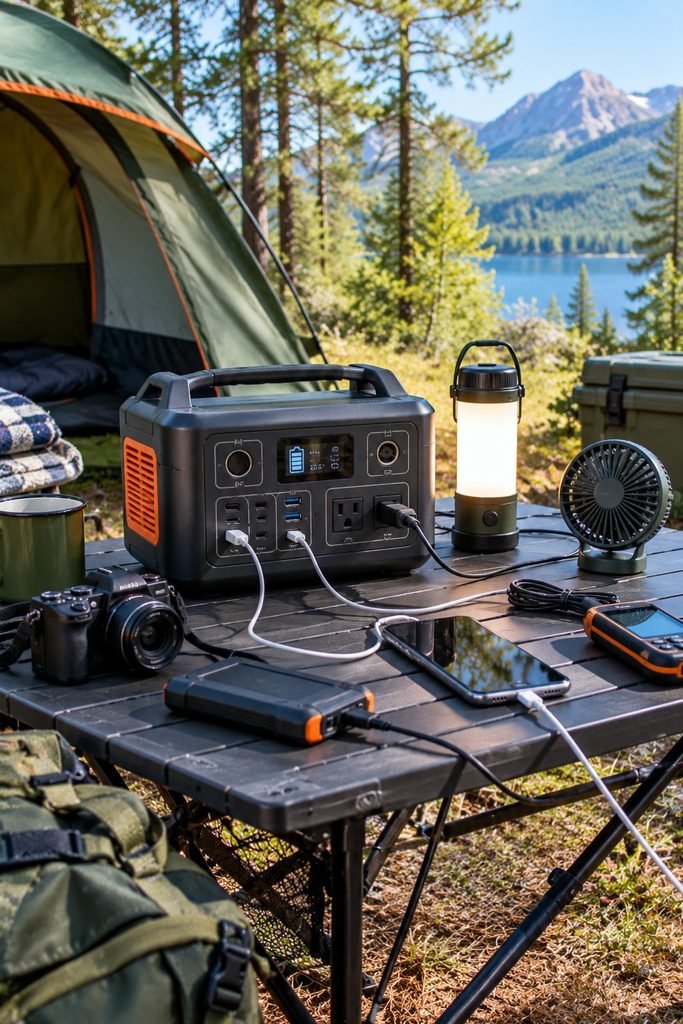
A portable power station is another camping essential I find useful, particularly on longer trips. It gives me a convenient way to keep smaller electronics charged without depending completely on campground electrical hookups.
I can use one for phones, rechargeable lanterns, cameras, small fans, and other low-power devices. Before a trip, I make sure it is fully charged and check the battery capacity so I know what I can realistically run from it.
For basic camping, I do not necessarily need the largest model available. I would rather choose one that matches the equipment I actually bring and is still manageable enough to transport and store.
4. A Quality Cooler
A reliable cooler can make food and drinks much easier to manage while camping. I prefer one with good insulation, a secure lid, and enough capacity for the length of the trip without becoming unnecessarily bulky.
I also find it helpful to organize the cooler instead of simply throwing everything inside. Keeping drinks together, separating ingredients, and using reusable containers makes it much easier to find what I need without leaving the cooler open for too long.
For longer camping trips, I pay close attention to how well the cooler holds its temperature. Good insulation can reduce how often I need to add ice and helps keep food properly chilled.
5. A Compact Camping Table
A small folding camping table is one of those items that can seem unnecessary until you actually need one. Once I have a stable surface for preparing food, setting down drinks, organizing cooking equipment, or keeping a lantern elevated, the campsite feels much easier to manage.
I prefer a lightweight table that folds flat and does not take up much room in the vehicle. A weather-resistant surface is also useful because camping tables are exposed to dirt, moisture, food spills, and changing weather.
Even a compact table can create a dedicated work area at the campsite and keep important items from being placed directly on the ground.
6. A Portable Camping Stove
A portable camping stove is one of the pieces of gear I like having even when I am trying to keep my packing list simple. It gives me a dependable cooking option when a campsite does not have a suitable fire setup or when I simply want to prepare a quick meal without building a fire.
I prefer a compact stove that is easy to set up and has straightforward controls. A stable cooking surface matters too because the last thing I want is a pot or pan wobbling while I am preparing food.
I also pack the correct fuel and check everything before leaving home. Testing the stove ahead of time takes only a few minutes and can prevent an annoying surprise at the campsite.
7. A Headlamp
A headlamp is one of those small camping essentials that takes up almost no space but can be incredibly useful. I like having one available because it keeps both hands free when I am walking around camp, organizing gear, or doing something inside the tent after dark.
A headlamp is especially handy when I need to find something in a storage box or walk a short distance away from the main campsite. Instead of holding a flashlight, I can keep both hands available.
I usually choose one with adjustable brightness and a comfortable head strap. I also make sure the batteries are fresh or the rechargeable battery is topped up before the trip.
8. A First Aid Kit
A small first aid kit is something I never consider optional when packing for an outdoor trip. Minor cuts, blisters, scrapes, headaches, or other little problems can happen easily when you are spending time outside.
I prefer keeping a dedicated camping first aid kit rather than relying on supplies scattered around the vehicle. Mine would include basic wound-care supplies, adhesive bandages, antiseptic wipes, gauze, medical tape, and other basic items appropriate for the type of trip.
The important part is knowing what is actually inside the kit. I like checking it before each trip and replacing anything that has been used or expired.
9. A Multi-Tool
A good multi-tool can save space because several useful tools are combined into one compact item. Depending on the model, it can include pliers, screwdrivers, a knife, scissors, and other basic tools.
I find this particularly useful around camp when I need to make a small adjustment, cut something, tighten a loose screw, or deal with a simple gear problem.
The key is choosing a quality multi-tool rather than buying one simply because it has the largest number of functions. I would rather have a smaller tool with reliable components that I will actually use.
10. Reusable Water Bottles
Having enough drinking water is one of the most important parts of preparing for a camping trip. I prefer reusable water bottles because they are practical throughout the day and reduce the number of disposable bottles I need to pack.
For longer trips, I also think about how much water I will need for drinking, cooking, and other basic activities. A larger insulated bottle can be particularly useful because it keeps water cool for longer periods during warm-weather camping.
I keep my water bottle somewhere easy to reach rather than buried inside a bag. That simple habit makes it much easier to stay hydrated while hiking, setting up camp, or relaxing outside.
11. A Waterproof Storage Bin
A waterproof storage bin can make a campsite much easier to organize. I use storage containers to keep cooking equipment, small tools, lighting, and other loose essentials together instead of allowing everything to spread around the campsite.
The biggest advantage is protection. A good sealed container can help protect gear from rain, dirt, dust, and accidental spills.
I also like assigning different bins to different categories. For example, keeping cooking supplies in one container and campsite tools in another makes packing and unpacking much faster. When something is needed, I know exactly where to look instead of searching through several bags.
12. A Portable Fan
A portable fan can make a surprisingly big difference during warm-weather camping. Even when the temperature feels comfortable outside, a tent can become noticeably warmer once the sun comes up.
I prefer a rechargeable fan that is compact enough to sit on a small table or hang inside the tent. Adjustable speeds are useful because I can run it gently at night without creating too much noise.
I also make sure the battery is fully charged before leaving and keep the charging cable with my other electronics. A small fan takes up very little packing space but can make sleeping and relaxing much more comfortable.
13. A Quality Sleeping Pad
A good sleeping pad is one camping item I would not try to save too much space on. Sleeping directly on the tent floor can be uncomfortable, especially when the ground is hard or uneven.
I prefer a sleeping pad that provides enough cushioning while still packing down reasonably small. Insulation is also important because the ground can pull heat away from your body during cooler nights.
Before a trip, I like testing the sleeping pad and checking for leaks or damaged valves. Finding a problem at home is much easier than discovering it after setting up camp.
14. A Waterproof Dry Bag
A waterproof dry bag is useful for protecting items that absolutely need to stay dry. I find them especially helpful when camping near a lake, river, beach, or anywhere rain is possible.
I can use one for clothing, electronics, towels, or other items that I do not want exposed to moisture. The bags are lightweight and can be folded down when they are not being used.
I also like using different sizes rather than bringing one oversized bag. Smaller dry bags make it easier to separate important belongings and quickly find what I need.
15. A Camping Tarp
A camping tarp can be useful in both sunny and rainy conditions. I like having one available because it can create an additional covered area around the campsite and give me somewhere to sit, cook, or organize gear when the weather changes.
A tarp can also provide shade during hot afternoons. With the right setup and sturdy attachment points, it becomes a simple extension of the campsite.
Before using one, I make sure I understand how to secure it properly. Strong wind can put considerable pressure on a tarp, so sturdy ropes, suitable stakes, and a sensible setup are important.
16. A Basic Camping Tool Kit
A small camping tool kit can save a lot of frustration when something needs a quick adjustment. I keep basic items together so I do not have to search through different bags whenever I need them.
Depending on the trip, useful items can include a compact screwdriver, pliers, adjustable wrench, duct tape, zip ties, rope, and a small measuring tape. These are simple tools, but they can be useful for temporary fixes and campsite setup.
I avoid overpacking tools. The goal is to have a practical collection that handles common problems without turning the camping gear into a full workshop.
17. A Folding Wagon
A folding wagon is particularly useful when the campsite is a longer walk from the parking area. Instead of carrying several heavy bags separately, I can load multiple items into one wagon and move everything in one trip.
It is also useful for transporting firewood, coolers, chairs, water containers, and other bulky equipment around the campsite.
When choosing one, I look for a sturdy frame, reliable wheels, and a folding design that does not take up too much room in the vehicle. A wagon is not necessary for every camping trip, but when I need one, it saves a lot of effort.
18. A Reusable Camping Utensil Set
A reusable utensil set keeps meals simple without requiring a pile of separate kitchen items. I like having a dedicated camping set that includes the basics I actually use.
Forks, spoons, knives, and a few compact cooking utensils can cover most simple campsite meals. Choosing lightweight versions helps keep the kitchen box from becoming unnecessarily heavy.
I also prefer keeping the entire set together in a small pouch or container. That way, I can grab everything at once when it is time to prepare or eat a meal.
19. A Small Trash and Waste System
Keeping the campsite clean is much easier when I have a designated place for trash. A small waste bag holder or compact trash container prevents wrappers, food packaging, and other waste from ending up on tables or scattered around the campsite.
I like using sturdy bags and keeping the waste area away from sleeping and food preparation areas. If food scraps are involved, I make sure they are handled according to the campground’s rules and local wildlife precautions.
A simple waste system takes almost no room but makes the campsite feel considerably cleaner and more organized.
20. A Comfortable Pair of Camping Shoes
The right footwear is easy to overlook when packing camping gear, but it can make long days outdoors much more comfortable. I prefer shoes that are supportive, durable, and appropriate for the terrain I expect to encounter.
For some trips, lightweight hiking shoes are enough. For wetter conditions, waterproof footwear may be more practical. I also like having an easy slip-on option around camp so I do not have to wear heavier footwear every time I step outside the tent.
Before a longer trip, I make sure the shoes are already comfortable. A camping trip is not the place to discover that a new pair causes painful hot spots or blisters.
Final Thoughts
The camping gear I value most is not necessarily the biggest or most expensive equipment. It is the practical gear that solves small problems before they become major annoyances.
A reliable light, comfortable chair, organized storage, dependable cooking equipment, proper sleeping gear, and a few basic tools can completely change how smoothly a camping trip goes.
I also try to choose items that serve more than one purpose or take up very little room when packed.
My biggest packing tip is to think about the way you actually camp rather than buying every item marketed as a camping essential.
Start with the basics, pay attention to what causes problems during your trips, and add gear that solves those specific problems. That approach keeps the campsite organized while making every trip easier and more comfortable.