Transform Your Travel Trailer with These 100 Mind-Blowing Hacks!
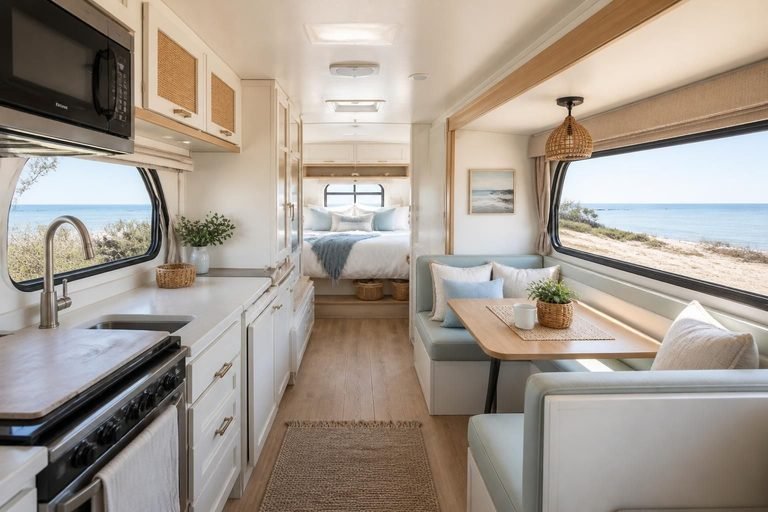
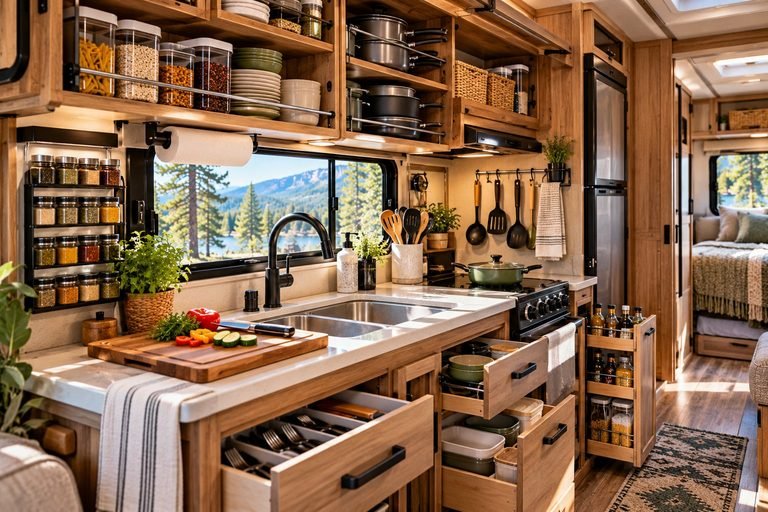
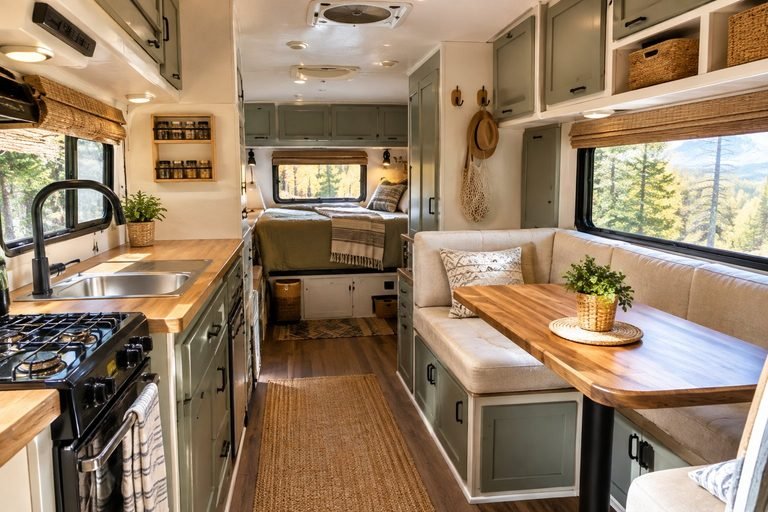
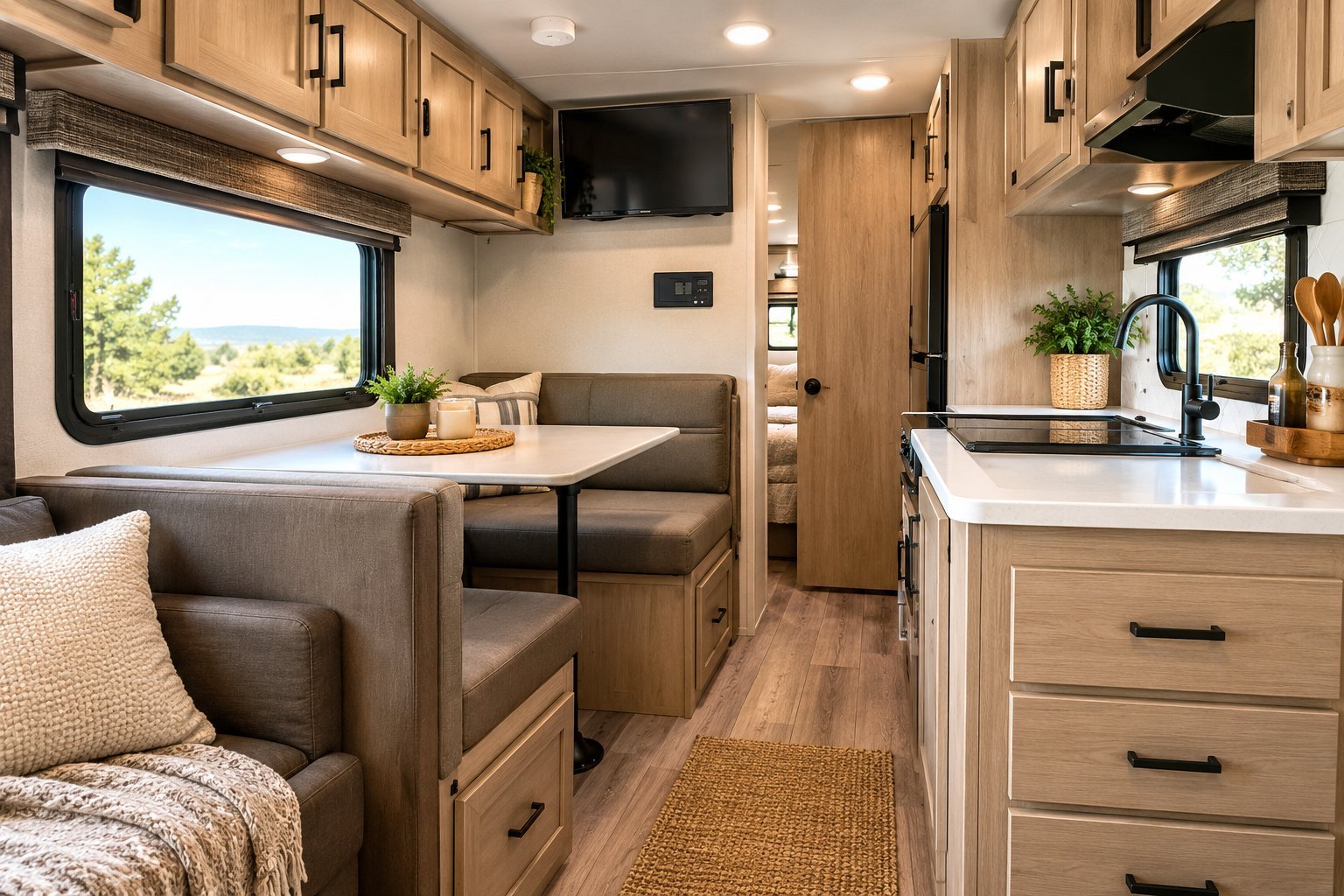
A travel trailer can feel surprisingly spacious when every inch is planned well, but it can also become cramped, cluttered, and frustrating when things do not have a proper place.
After spending time organizing and improving a travel trailer, I learned that the biggest changes do not always require expensive renovations. A few smart storage solutions, simple kitchen upgrades, better organization, and small comfort improvements can completely change how the space works.
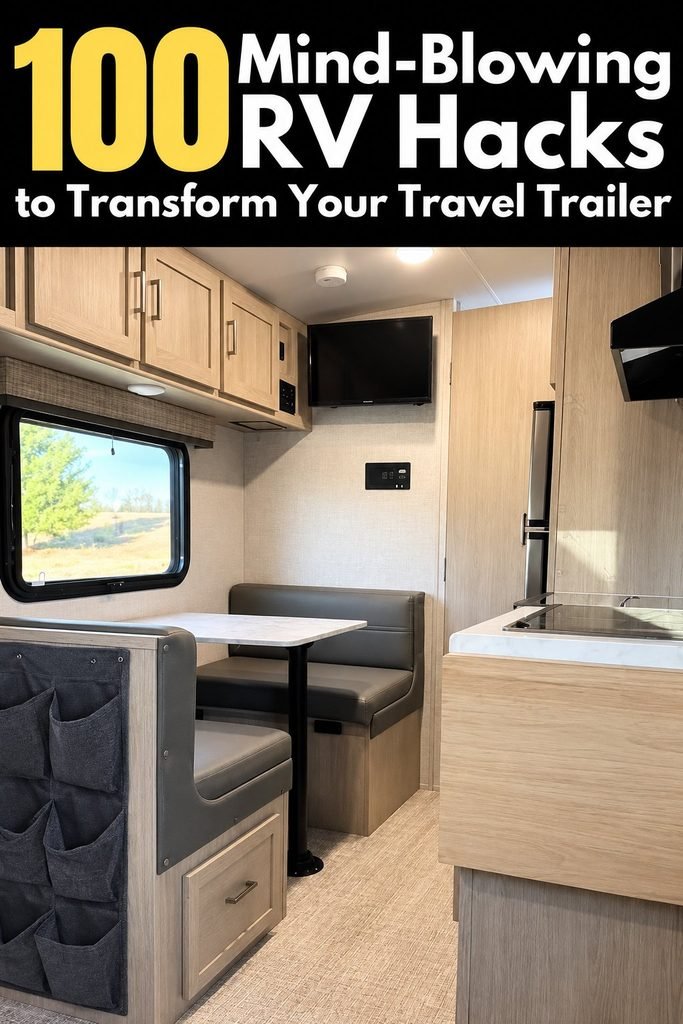
These travel trailer hacks are the kinds of ideas I look for when I want to make camping easier without turning the trailer into a complicated remodeling project. Some help create extra storage, while others make cooking, cleaning, sleeping, and relaxing much more convenient.
I also pay close attention to weight, accessibility, and whether an upgrade will actually be useful on the road. In this guide, I am sharing 100 practical travel trailer hacks that can help you make better use of your space, keep everyday items organized, and make your trailer feel much more comfortable.
1. Use the Inside of Cabinet Doors for Extra Storage
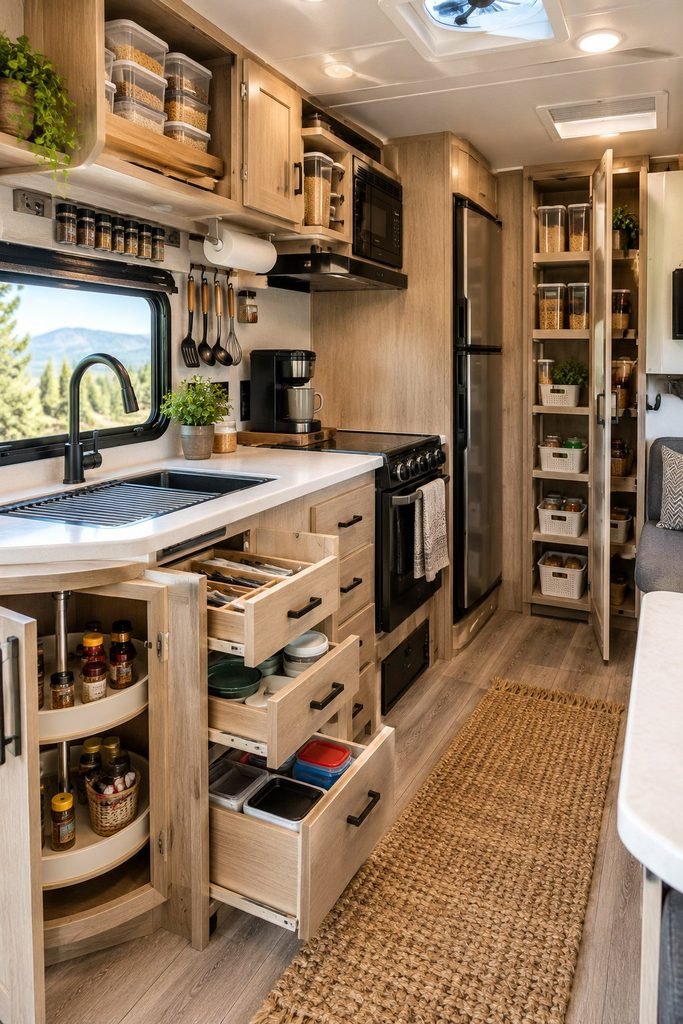
One of the easiest places to create hidden storage in a travel trailer is the inside of a cabinet door.
I like using this space for lightweight items that I reach for regularly, such as measuring spoons, small cleaning supplies, pot holders, or kitchen tools.
Adhesive organizers can work well here because they do not require drilling, but I always check the weight limit before loading them up. A cabinet door may look like unused space, but it can become extremely useful when every storage area matters.
2. Add Magnetic Storage in the Kitchen
Magnetic storage is another simple way to keep small kitchen items organized.
A magnetic strip can hold lightweight metal utensils, scissors, bottle openers, or other frequently used tools. Keeping these items vertically organized can free up valuable drawer and countertop space.
Before installing anything permanently, I test where the items will sit when the trailer is moving. Anything that can swing around or fall while driving needs a more secure solution.
3. Turn an Empty Wall Into a Storage Station
Blank wall space does not have to remain unused.
A narrow rail, small pegboard, or lightweight organizer can turn an empty section of wall into a useful storage station. I prefer keeping this type of storage focused on lightweight items because adding too much weight high on a wall is not ideal in a moving trailer.
It can be particularly useful near the kitchen for utensils, towels, or small cooking accessories.
4. Use Stackable Bins in Lower Cabinets
Deep trailer cabinets can become difficult to organize because small items tend to disappear toward the back.
Stackable bins solve part of that problem by giving everything a defined section. Instead of pulling everything out of a cabinet to find one item, I can pull out the appropriate bin.
Clear bins are especially convenient because I can see what is inside without opening every container.
5. Create a Dedicated Camping Pantry
I find that food storage becomes much easier when similar items stay together.
Rather than filling every cabinet with random food packages, designate one cabinet or section as the camping pantry. Use containers or bins for snacks, breakfast foods, dry ingredients, and cooking supplies.
This also makes restocking much easier because I can quickly see what needs to be replaced before the next trip.
6. Replace Bulky Food Packaging With Containers
Original packaging often takes up more room than the actual food.
Transferring suitable dry foods into compact containers can make a noticeable difference in a small trailer kitchen. I like containers that stack neatly and have secure lids.
The key is not to transfer everything blindly. Foods should remain properly labeled, and anything that requires its original packaging for important preparation or storage information should be handled accordingly.
7. Use a Lazy Susan in Corner Cabinets
Corner cabinets can be some of the most frustrating spaces in a travel trailer.
A small lazy Susan makes those awkward corners much easier to access. Instead of reaching around bottles or containers, I can simply rotate the organizer until the item I need comes forward.
This works particularly well for sauces, spices, condiments, and other small kitchen supplies.
8. Add Drawer Dividers
Trailer drawers can become messy very quickly when utensils are thrown together.
Simple drawer dividers keep everything separated and make the available space easier to use. I like creating sections based on how I actually use the items rather than simply separating everything by type.
The goal is to make putting things away just as easy as taking them out.
9. Use Vertical Space in the Refrigerator
Refrigerator space is precious in a travel trailer.
Instead of stacking loose items everywhere, use suitable refrigerator bins to create separate sections. This helps keep small packages together and prevents food from shifting around as much.
I also avoid overloading the refrigerator because good airflow is important for keeping everything properly chilled.
10. Add a Paper Towel Holder Under a Cabinet
A paper towel holder mounted beneath a cabinet can free up countertop space without taking away useful storage.
This is one of those small changes that becomes surprisingly convenient during everyday use. The paper towel remains easy to reach, while the counter stays clear for food preparation.
I prefer a secure holder that will not loosen when the trailer is moving.
11. Create a Coffee Station
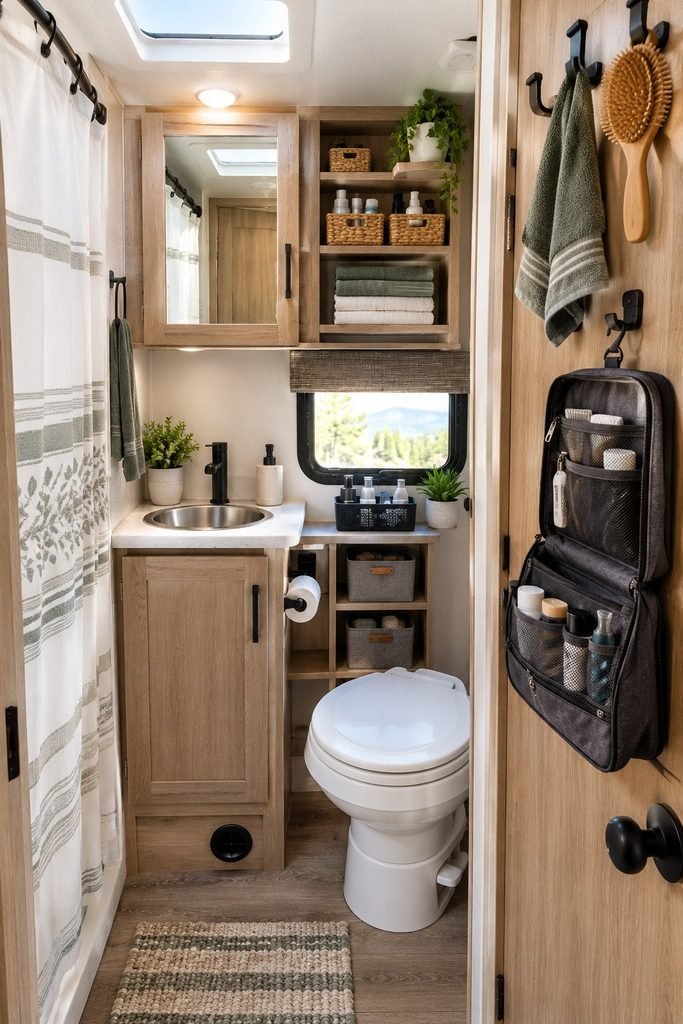
If you drink coffee while camping, giving it a dedicated area can make the morning routine much easier.
A small tray can hold the coffee maker, mugs, coffee, filters, and other essentials in one place. When everything is together, I do not have to search through several cabinets every morning.
The setup can also be packed away quickly when it is time to travel.
12. Use a Foldable Kitchen Cart
A small folding cart can provide temporary counter or storage space when you need it and disappear when you do not.
I find this especially useful when preparing meals for several people because the trailer kitchen counter can become crowded very quickly.
Choose a lightweight model that folds compactly and can be secured while traveling.
13. Hang Lightweight Kitchen Towels
Kitchen towels are easy to misplace when there is limited counter space.
A small hook or rail near the sink gives them a dedicated home and allows them to dry properly between uses.
I like placing the hook somewhere close enough to the sink that I can grab the towel without walking across the trailer with wet hands.
14. Use the Space Under the Sink
The area underneath the kitchen sink often becomes a collection of cleaning products, bags, sponges, and miscellaneous supplies.
A small removable bin can turn this into a much more organized space. I prefer keeping cleaning products together so they do not spread into food storage areas.
A shallow container also makes it easier to remove everything at once when cleaning the cabinet.
15. Organize Cleaning Supplies in One Portable Caddy
A portable cleaning caddy is particularly useful in a travel trailer because cleaning supplies often need to move between different areas.
I keep the everyday basics together so I can grab the entire caddy instead of collecting individual bottles and cloths.
This also helps prevent duplicate supplies from taking up valuable cabinet space.
16. Install a Small Bathroom Organizer
Trailer bathrooms usually have very limited storage, so a compact organizer can make a big difference.
Use one for toiletries, grooming supplies, or small personal items. I prefer organizers that keep products upright and easy to see.
Avoid overcrowding the bathroom because a small space becomes frustrating very quickly when every surface is covered.
17. Use a Hanging Toiletry Bag
A hanging toiletry bag is one of my favorite solutions for small bathrooms.
Instead of spreading toiletries across the sink, I can keep everything in one organized bag and hang it from a suitable hook.
It also makes packing easier because the entire collection can be removed and stored when the bathroom is not in use.
18. Add Hooks Behind the Bathroom Door
The back of a bathroom door can provide useful vertical storage.
Lightweight hooks can hold towels, robes, toiletry bags, or other items that do not need cabinet space.
I always make sure the door can still open and close properly and that anything hanging there will not interfere with the trailer’s movement.
19. Use Small Bins for Bathroom Cabinets
Small bins prevent bottles and toiletries from becoming scattered inside bathroom cabinets.
I like using separate containers for hair products, skincare, first aid supplies, and everyday toiletries. When everything has a category, finding something takes much less time.
Removable bins also make it easier to clean the cabinet.
20. Create a Dedicated Towel Area
Instead of leaving towels wherever they fit, create one specific place for them.
A combination of hooks and a small basket can work well when wall and cabinet space is limited. I like keeping clean towels separate from damp towels so moisture does not become trapped in a closed cabinet.
21. Use Under Bed Storage
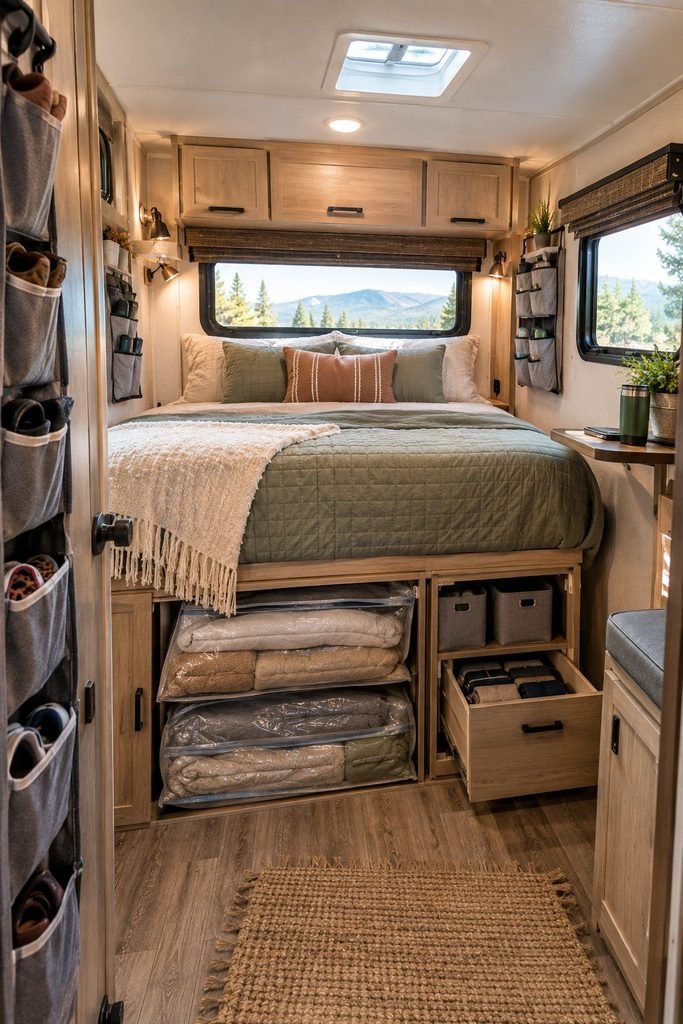
The space underneath the bed is one of the most valuable storage areas in many travel trailers.
Rather than filling it with loose bags, divide the area into labeled storage containers. I use this kind of space for items that I need on trips but do not necessarily need every day.
Seasonal bedding, outdoor equipment, spare supplies, and less frequently used camping gear can all work well here.
22. Use Compression Bags for Bulky Bedding
Blankets and spare bedding can take up a surprising amount of room.
Compression storage bags can reduce the amount of space these items occupy, making under-bed storage much easier to manage.
I keep frequently used bedding more accessible and reserve compressed storage for items that only come out when needed.
23. Store Shoes in a Dedicated Organizer
Shoes can create clutter very quickly inside a small trailer.
A narrow shoe organizer near the entrance keeps footwear together instead of allowing pairs to spread throughout the living area.
I also find that keeping outdoor shoes close to the entrance helps reduce dirt being tracked through the trailer.
24. Create an Entryway Drop Zone
One of the most useful changes I can make to a small trailer is creating a dedicated place for everyday items near the entrance.
A few hooks and a small basket can hold keys, sunglasses, hats, leashes, flashlights, or other things that tend to get misplaced.
The idea is simple: everything that comes into the trailer should have somewhere to go.
25. Use a Small Basket for Electronics
Charging cables have a habit of becoming tangled together.
A small basket or cable organizer can keep phone chargers, power banks, adapters, and other electronics together. I like keeping the charging area consistent so I always know where the cables are.
This is especially helpful when several people are using the trailer.
26. Label Your Storage Bins
Labels may seem unnecessary until you have several identical storage containers.
Clear labels make it much easier to find things without opening every bin. I prefer simple labels that describe exactly what is inside.
This becomes even more useful when items are stored underneath the bed or in deep cabinets.
27. Use a Collapsible Laundry Basket
A full-size laundry basket can waste a lot of space when it is empty.
A collapsible version can be opened when needed and folded away afterward. I like keeping it in an accessible location rather than hiding it in deep storage because laundry is something that needs regular attention.
28. Separate Dirty Laundry From Clean Clothes
Keeping dirty laundry contained prevents it from taking over the sleeping area.
A breathable laundry bag or dedicated hamper works well for short trips. For longer trips, I prefer separating laundry by category so it is easier to manage later.
The important part is keeping used clothing away from clean clothes.
29. Add Bedside Pockets
There may not be enough room for traditional nightstands in a travel trailer, but bedside storage pockets can provide a similar function.
They can hold glasses, phones, books, remotes, or small personal items.
I like this solution because it adds storage without taking up floor space.
30. Use a Foldable Bedside Table
When there is enough room, a small folding table can provide a useful bedside surface.
It can hold a phone, drink, reading light, or other nighttime essentials and then fold away when more floor space is needed.
For a small trailer, flexible furniture is often more practical than large permanent pieces.
31. Install a Reading Light Near the Bed
A dedicated reading light can make the sleeping area much more comfortable.
Rather than lighting the entire trailer at night, I can use a small focused light when reading or getting ready for bed.
Choose a secure installation and make sure cords are routed safely.
32. Use Blackout Solutions for Better Sleep
Light entering through trailer windows can make sleeping difficult, especially in bright outdoor environments.
Blackout curtains, shades, or removable window coverings can help create a darker sleeping area.
I also like solutions that are easy to remove because trailer windows need to remain accessible for ventilation and emergency purposes.
33. Keep a Small Bedside Emergency Kit
A compact emergency kit near the sleeping area can be useful when something unexpected happens at night.
It can include a flashlight, spare batteries, basic first aid supplies, and other essentials appropriate for your camping setup.
Keeping it in one consistent location means I do not have to search through cabinets when I need something quickly.
34. Use a Small Fan for Air Circulation
A compact fan can make the trailer more comfortable during warm weather.
I prefer a model that can be stored easily when traveling and positioned where it does not create a tripping hazard.
Good airflow can also make a small interior feel less stuffy.
35. Create a Dedicated Shoe and Outdoor Gear Area
Outdoor gear should have a clear transition point between the outside and inside of the trailer.
A small mat, shoe storage, and hooks near the entrance can create a practical gear zone.
This keeps muddy shoes, jackets, and outdoor accessories from spreading through the living area.
36. Keep a Grab and Go Camping Bin
A grab and go bin can hold the small items I want on nearly every trip.
Things like flashlights, matches where appropriate, basic tools, batteries, gloves, and other frequently used camping accessories can stay together.
Instead of rebuilding the same collection before every trip, I can simply check the bin and replace anything that has been used.
37. Use a Small Tool Kit
Every travel trailer should have basic tools available for minor adjustments and repairs.
A compact tool kit takes up far less space than a full workshop but can cover many everyday needs.
I like keeping tools together rather than scattering screwdrivers, pliers, tape, and other equipment throughout different cabinets.
38. Keep Spare Fuses and Basic Trailer Supplies Together
Small replacement parts are easy to forget until something stops working.
A clearly labeled maintenance container can hold appropriate spare fuses, fasteners, tape, connectors, and other basic supplies.
Only carry replacement parts that match your trailer’s equipment and specifications.
39. Use a Command Center Near the Door
A small wall-mounted command center can keep important information in one place.
You can use it for keys, campground information, checklists, charging reminders, or notes about the next stop.
I find this especially useful when traveling because important little details are less likely to disappear into a drawer.
40. Create a Departure Checklist
One of the simplest trailer hacks costs nothing.
Create a checklist for things that need to happen before moving the trailer. Include interior items that need securing, appliances that need checking, windows, doors, cabinets, exterior connections, and other trailer-specific items.
I prefer a physical checklist because it gives me something concrete to work through instead of relying entirely on memory.
41. Secure Items Inside Cabinets Before Driving
A perfectly organized cabinet can become a disaster after several miles of driving if the contents are not secured.
Use suitable bins, non-slip liners, or other appropriate organizers to reduce movement.
I always think about what will happen to an item when the trailer turns, brakes, or travels over uneven roads rather than only how it looks while parked.
42. Add Non Slip Shelf Liners
Non-slip shelf liners can prevent containers from sliding around inside cabinets and drawers.
They are inexpensive and easy to cut to size. I like them particularly for dishes, cookware, and other items that can move during travel.
They also make shelves easier to clean.
43. Use Vertical Plate Storage
Plates can take up a lot of cabinet space when stacked horizontally.
A suitable vertical organizer can make them easier to access and can use cabinet height more efficiently.
Make sure the organizer is secure enough for travel and that the plates cannot bounce around while the trailer is moving.
44. Use a Compact Dish Rack
A large dish rack does not make much sense in a small trailer kitchen.
A compact or collapsible dish rack can provide the same basic function while taking up much less space when it is not being used.
I like being able to fold mine away as soon as the dishes are dry.
45. Install a Sink Cover for Extra Counter Space
A properly fitted sink cover can temporarily turn the sink into additional preparation space.
This can be especially helpful when cooking in a small kitchen where every bit of counter space matters.
The cover should fit securely and should never interfere with access to the sink when it is needed.
46. Keep a Cutting Board Over the Sink
A cutting board designed to sit securely over the sink can provide another useful work surface.
I find this particularly helpful when preparing meals because it gives me more room without permanently changing the kitchen.
Choose one that fits the sink properly and remains stable during use.
47. Use Collapsible Kitchenware
Collapsible bowls, measuring cups, strainers, and similar kitchen tools can dramatically reduce storage requirements.
I prefer choosing only the collapsible items that I genuinely use because buying too many specialty products can create a different kind of clutter.
The best trailer upgrades are the ones that earn their storage space.
48. Store Pots Inside One Another
If your cookware allows it, nesting pots and pans can save considerable cabinet space.
I place smaller pieces inside larger ones and use suitable separators when needed to prevent scratching.
This simple organization trick can make one cabinet hold much more without making it difficult to access.
49. Use Removable Hooks
Removable hooks are useful when you want extra storage without committing to permanent holes.
They can hold lightweight towels, bags, utensils, or accessories in suitable locations.
I always follow the manufacturer’s weight limits and avoid using adhesive hooks for anything heavy or safety-critical.
50. Make Every Storage Area Serve a Purpose
The biggest travel trailer hack is not buying another organizer. It is deciding what each storage area is actually for.
When I give every cabinet, drawer, basket, and bin a specific purpose, the entire trailer becomes easier to maintain.
That is the approach I would use throughout all 100 hacks. The goal is not to fill every available space. The goal is to make the trailer work better for the way you actually travel.
51. Make the Dinette More Comfortable
The dinette is one of the hardest working areas in a travel trailer. It can be a dining table, workspace, game area, and sometimes even an extra sleeping space.
I like making this area comfortable enough that I actually want to spend time there. A supportive cushion, washable covers, and a few well placed pillows can make a noticeable difference without taking away the flexibility of the space.
52. Add Removable Cushion Covers
Travel trailers experience more dirt, moisture, and everyday wear than a typical home.
Removable cushion covers make cleanup much easier. I prefer washable fabrics that can handle regular use rather than choosing something purely because it looks good.
This is especially helpful when the trailer is being used frequently.
53. Turn the Dinette Into a Workspace
A travel trailer can double as a small office when the dinette is organized properly.
I keep the setup simple with a laptop, compact accessories, and a small storage container for work supplies. When the workday is over, everything can be packed away so the space returns to its normal purpose.
That flexibility is one of the biggest advantages of a small trailer.
54. Use a Folding Laptop Stand
A laptop stand can improve the workspace without permanently taking up valuable counter space.
I like folding models because they can be stored in a drawer or cabinet when they are not being used.
It also allows me to adjust the screen position without having to rearrange the entire dinette.
55. Create a Charging Station
Instead of having charging cables scattered around the trailer, create one dedicated charging station.
A small tray or organizer can hold charging cables, power banks, and other electronics. I find it much easier to keep track of everything when all charging happens in one location.
Just make sure the setup does not overload the available electrical system.
56. Use Cable Clips
Loose cables can make a small space look messy almost instantly.
Cable clips can keep charging cords routed neatly along a desk, cabinet, or suitable surface.
I use them to keep cables from falling behind furniture where they become difficult to reach.
57. Add a Small Bluetooth Speaker
A compact speaker can make evenings inside the trailer more enjoyable without taking up much room.
I prefer something small enough to store easily and durable enough for camping conditions.
It is also useful outside when relaxing around the campsite, provided the campground’s noise rules are respected.
58. Create a Movie Night Setup
A travel trailer can become a surprisingly comfortable movie space with a few simple changes.
Keep a small collection of blankets, a compact streaming device if your setup supports it, and a comfortable seating arrangement.
I like having everything stored together so movie night does not require searching through several cabinets.
59. Use a Tablet Holder
A tablet holder can be useful for watching movies, following recipes, reading, or working.
Instead of holding the device for long periods, I can position it at a comfortable viewing angle.
A removable holder is especially practical because it can be packed away when traveling.
60. Add a Small Reading Nook
A small corner of the trailer can become a relaxing reading area with surprisingly little effort.
A comfortable cushion, reading light, and small storage basket may be all you need.
I prefer keeping the area simple so it does not become another place where clutter accumulates.
61. Use Throw Pillows Strategically
A few pillows can make the trailer feel much more comfortable without taking up much permanent space.
I like choosing pillows that can serve more than one purpose, such as supporting the back while sitting or adding extra comfort to the sleeping area.
Too many pillows, however, quickly become storage problems in a small trailer.
62. Keep a Dedicated Blanket Basket
A small basket for blankets keeps them from being left across beds and seating areas.
I prefer a lightweight basket that can be moved easily when I need more floor space.
It also gives the trailer a more organized appearance without requiring any permanent changes.
63. Use a Foldable Ottoman
A folding ottoman can provide extra seating, a footrest, and sometimes additional storage.
This kind of multipurpose furniture works particularly well in a travel trailer because one item can solve several problems.
When I do not need it, I can fold it away instead of giving up valuable floor space.
64. Add a Small Area Rug
A properly sized area rug can make the interior feel warmer and more comfortable.
I prefer washable rugs because camping inevitably brings dirt inside.
A rug can also visually define the living area without requiring any structural changes.
65. Use a Door Mat Inside the Entrance
A good entrance mat can reduce the amount of dirt and moisture that gets tracked through the trailer.
I like using a mat that is easy to shake out or clean.
Keeping one at the entrance may seem like a tiny improvement, but it can reduce how often the rest of the trailer needs cleaning.
66. Create a Wet Gear Zone
Wet jackets, towels, shoes, and outdoor equipment can create a mess quickly.
A small designated area near the entrance gives damp items somewhere to dry before they are moved elsewhere.
Hooks, a washable mat, and a small tray can be enough to create a practical wet gear station.
67. Install Better Window Coverings
Window coverings have a bigger impact on comfort than many people realize.
They can help with privacy, brightness, and temperature control depending on the material and design.
I prefer options that are easy to open during the day and secure at night without making the trailer feel closed in.
68. Use Reflective Window Insulation
Reflective window coverings can be useful during very hot or cold weather.
They can help reduce heat entering through windows and make the interior more comfortable.
I use removable solutions because they can be stored when the weather is mild and the windows are not being actively insulated.
69. Improve Ventilation
Good ventilation is important in a small enclosed space.
Use roof vents, windows, fans, or other manufacturer approved ventilation options to keep air moving.
I pay particular attention to ventilation while cooking and after showering because moisture can build up quickly inside a travel trailer.
70. Use a Small Dehumidifier
Moisture can become a problem in a compact trailer, particularly during humid weather.
A small dehumidifier can help manage indoor moisture when appropriate for the trailer’s electrical setup.
I also make ventilation part of the routine rather than depending entirely on a dehumidifier.
71. Keep a Moisture Monitor
A small humidity monitor can help you understand what is actually happening inside the trailer.
Rather than guessing whether the interior is too humid, you can monitor conditions and adjust ventilation accordingly.
This is a simple tool that can help prevent moisture from becoming a bigger maintenance issue.
72. Use Mattress Toppers for Better Comfort
A trailer mattress may not provide the level of comfort you want for longer trips.
A suitable mattress topper can make a significant difference without replacing the entire mattress.
I prefer choosing one that fits properly so it does not shift around while sleeping.
73. Upgrade Bedding for the Season
Heavy bedding is useful in cold weather, while lighter breathable bedding is more comfortable during warmer trips.
I keep seasonal bedding organized so I can switch it depending on where and when I am traveling.
This also prevents the sleeping area from becoming overloaded with blankets that are not currently needed.
74. Use Bedside Storage Instead of a Nightstand
Traditional nightstands can take up too much room in a travel trailer.
A hanging pocket organizer can provide storage for glasses, phones, books, and other small items without using floor space.
It is one of the easiest ways to make a small sleeping area feel more functional.
75. Add a Small Motion Sensor Light
Motion activated lights can be useful in dark storage areas, closets, or around the entrance.
I especially like them in places where reaching for a light switch is inconvenient.
Battery powered options can also be installed without running additional wiring, although batteries should be checked regularly.
76. Light Up Dark Cabinets
Deep cabinets can be difficult to use when the interior is poorly lit.
Small battery powered cabinet lights can make it much easier to see what is stored inside.
This is especially useful for cabinets underneath counters or in corners where the main interior lights do not reach well.
77. Use a Flashlight Station
Keep flashlights in more than one logical location.
I like having one near the entrance and another accessible from the sleeping area. Everyone should know where they are stored.
A flashlight is much more useful when it can be reached immediately rather than buried in a drawer.
78. Create an Outdoor Kitchen Station
When weather permits, cooking outside can prevent the trailer from becoming hot and smoky.
A compact outdoor table can hold a suitable portable cooking setup, ingredients, utensils, and serving items.
I keep the outdoor setup separate from the interior kitchen so bringing everything outside does not require emptying several cabinets.
79. Use a Folding Outdoor Table
A folding table is useful for meals, food preparation, games, and general campsite organization.
I prefer a model that folds flat and can be secured easily during travel.
Multipurpose outdoor furniture gives you more functionality without permanently occupying space.
80. Create an Outdoor Seating Area
A few comfortable folding chairs can turn the area outside the trailer into an extension of the living space.
I like positioning the chairs somewhere that takes advantage of shade and the surrounding campsite.
The key is choosing furniture that packs down small enough to store without creating another storage headache.
81. Use a Portable Outdoor Mat
An outdoor mat can help define the area directly outside the trailer.
It can also reduce the amount of dirt and grass that gets carried inside.
I prefer one that is easy to shake clean and dries reasonably quickly after rain.
82. Add an Outdoor Storage Tote
Outdoor items can quickly overwhelm the trailer interior.
A weather suitable storage tote can keep things like hoses, outdoor accessories, leveling supplies, or campsite equipment together.
I label mine so I can find what I need without opening every container.
83. Keep a Dedicated Outdoor Kitchen Bin
If you regularly cook outside, keep a separate bin with the equipment used for outdoor meals.
That might include utensils, cooking accessories, serving items, and cleaning supplies appropriate for your setup.
This saves time because the same collection can be taken outside whenever you cook.
84. Create a Campfire Bin
Camping often requires a surprising collection of small accessories.
A dedicated campfire bin can keep suitable items such as roasting accessories, gloves, seating accessories, and other campsite supplies together.
I like storing this separately from everyday kitchen supplies so I do not have to unpack the entire trailer before relaxing outside.
85. Use a Small Outdoor Trash Station
Outdoor meals can generate a lot of waste.
A dedicated trash container near the outdoor cooking area makes cleanup much easier and prevents food packaging from being left around the campsite.
Use a container that closes securely and follow campground rules for food and trash storage.
86. Keep a Reusable Water Bottle Station
Reusable water bottles can easily end up scattered around a trailer.
A small basket or organizer near the entrance gives everyone a place to keep them.
I like assigning the storage area close to the kitchen or water source so bottles can be refilled and returned easily.
87. Use Collapsible Water Containers
Collapsible water containers can be useful when you need extra water storage but do not want rigid containers taking up space all the time.
They can be folded or compressed when empty, depending on the design.
Always use containers intended for their specific purpose and keep drinking water separate from non drinking water.
88. Keep a Dedicated Grocery Bag Area
Reusable shopping bags can take up surprising amounts of space when they are thrown into random cabinets.
A small basket or hanging organizer near the entrance can keep them together.
This also makes them easy to grab when heading to the store.
89. Create a Campground Information Folder
A simple folder can keep important campground information together.
I like keeping reservation details, campground rules, maps, check in information, and other useful documents in one place.
Digital copies are helpful too, but having important information accessible without relying entirely on a phone can be useful.
90. Use a Travel Trailer Inventory List
Keeping an inventory list makes restocking much easier.
I recommend creating categories for kitchen supplies, bathroom items, maintenance equipment, outdoor gear, and emergency supplies.
After each trip, I can quickly check what was used and replace it before the next departure.
91. Photograph Your Storage Areas
Taking photographs of organized cabinets can be surprisingly useful.
After rearranging everything, I can use the photos as a quick reference when putting items away.
This is particularly helpful when several bins or storage areas look nearly identical.
92. Create a Dedicated Pet Area
If pets travel with you, giving them a defined area can help keep the trailer organized.
A small washable mat, food container, water bowl, and storage basket can create a simple pet station.
Keeping pet supplies together also makes it easier to check that everything is packed before leaving.
93. Use Washable Covers for Pet Areas
If your pet spends a lot of time inside the trailer, washable covers can make cleaning much easier.
I prefer fabrics that can be removed quickly and washed regularly.
A small trailer shows dirt quickly, so anything that makes cleanup easier earns its place.
94. Keep Outdoor Pet Supplies Together
Leashes, towels, waste bags, portable bowls, and other pet supplies can be stored in one dedicated container.
This prevents pet equipment from spreading throughout the trailer.
It also makes getting ready for walks much faster.
95. Create a Simple Morning Station
A small morning station can make the beginning of the day much smoother.
Keep frequently used items such as coffee supplies, mugs, breakfast essentials, and reusable bottles in one convenient area.
I find that having a predictable setup reduces the amount of opening and closing cabinets during busy mornings.
96. Create an Evening Reset Routine
One of the easiest ways to keep a trailer organized is to reset it every evening.
Put kitchen items away, return electronics to their charging area, collect shoes, clear the dinette, and prepare anything needed for the next morning.
It takes only a few minutes but makes the trailer feel much better the next day.
97. Keep Frequently Used Items at Eye Level
Storage space should not only be organized by category. It should also be organized by frequency of use.
I keep everyday items in the easiest places to reach and reserve deeper storage for things I rarely need.
This simple change can make the trailer feel significantly less frustrating.
98. Avoid Buying an Organizer Before Measuring
This is a lesson I would recommend to anyone improving a travel trailer.
Measure the cabinet, drawer, shelf, or wall before buying an organizer.
A product that looks perfect online may waste space if it is slightly too large or prevents another cabinet door from opening properly.
99. Think About Weight Before Every Upgrade
A travel trailer is not the same as a stationary home.
Every piece of furniture, storage equipment, appliance, container, and decoration adds weight. Before adding a major upgrade, consider how it affects your trailer’s payload and overall setup.
I prefer lightweight solutions whenever possible because they provide the function without adding unnecessary weight.
100. Make Every Upgrade Solve a Real Problem
After trying different ways to improve a travel trailer, this is the rule I keep coming back to.
Do not add something simply because it looks clever in a photo.
Ask whether it saves space, improves comfort, makes cleanup easier, keeps something organized, improves accessibility, or makes travel more enjoyable.
The best travel trailer hacks are the ones that make everyday life easier without creating another problem somewhere else.
That is also the mindset I would use when choosing the final upgrades for a trailer. A small improvement that you use every day can be much more valuable than an expensive renovation that looks impressive but does not actually improve the way you travel.
Make Your Travel Trailer Feel Like Home
A travel trailer does not need a complete renovation to feel comfortable and personal. Some of the best improvements are small changes that make the space easier to live in every day.
After organizing the practical side of the trailer, I like turning my attention to the details that make the space feel finished. Better lighting, simple decorating, easier cleaning, smarter maintenance, and a few seasonal changes can completely change the atmosphere without adding unnecessary weight or clutter.
The important thing is to improve the trailer around the way you actually travel.
Give the Walls a Personal Touch
Blank walls can make a trailer feel more like temporary accommodation than a place you enjoy spending time in.
I like adding a few lightweight decorative pieces that reflect the places I have visited or the style I enjoy. The trick is keeping decorations simple and secure so they do not become another thing to remove every time the trailer moves.
A few meaningful pieces can have more impact than filling every wall.
Use Removable Decor
Removable decorating solutions are especially practical in a travel trailer.
Peel and stick products, removable hooks, lightweight artwork, and temporary accessories can change the appearance of the interior without committing to permanent alterations.
I prefer this approach because it allows me to change the look later without creating unnecessary holes or damage.
Add Warm Lighting
Lighting can completely change how a small trailer feels at night.
I like using warm, comfortable lighting in the living area instead of relying entirely on bright overhead lights. Small lamps or suitable rechargeable lights can create a more relaxed atmosphere.
The best lighting setup should still leave enough visibility for safe movement around the trailer.
Use Rechargeable Lights
Rechargeable lights are convenient because they reduce the number of cords running around the trailer.
They can be useful in closets, cabinets, sleeping areas, or outside the trailer when appropriate.
I like keeping rechargeable lights in consistent locations so they are easy to find when needed.
Create a Dedicated Reading Light
If you enjoy reading before bed, a focused reading light can make the sleeping area much more comfortable.
It allows one person to read without illuminating the entire trailer.
I prefer adjustable lights because they can be positioned exactly where the light is needed.
Make the Trailer Smell Fresh Naturally
Small enclosed spaces can develop unwanted odors quickly.
Regular ventilation, cleaning, drying damp items, and removing trash are more useful than simply covering odors with strong fragrances.
I like keeping the trailer fresh through regular cleaning rather than relying heavily on scented products.
Keep an Odor Control Bin
A small container dedicated to odor control supplies can keep useful items together.
Depending on your needs, this might include suitable cleaning products, washable cloths, and other supplies used for maintaining a fresh interior.
The most important part is addressing the source of an odor rather than simply masking it.
Clean the Refrigerator Regularly
The refrigerator deserves regular attention because food spills and forgotten items can quickly create unpleasant smells.
I like doing a quick refrigerator check before and after trips. Remove old food, wipe spills, and make sure the interior is dry when the trailer will sit unused.
This simple habit makes the next trip much more pleasant.
Keep a Cleaning Schedule
A travel trailer stays much easier to manage when cleaning is spread across regular routines instead of becoming one huge job.
I like having quick daily tasks, a deeper cleaning routine after trips, and periodic maintenance checks.
This approach keeps dirt from building up and makes the trailer easier to enjoy.
Use Microfiber Cleaning Cloths
Microfiber cloths are useful for cleaning counters, windows, appliances, and other surfaces.
I keep several together in a small cleaning container so they are always available.
Having reusable cloths also means I do not need to keep using disposable paper products for every small cleanup.
Keep a Dedicated Deep Cleaning Kit
A separate deep cleaning kit can contain the supplies you use less frequently.
I keep these items together so I do not have to search through the trailer when it is time for a more thorough clean.
Keeping the kit portable also makes it easier to clean different areas without carrying individual products around.
Check Seals Around Windows and Doors
Weather seals are easy to ignore until you notice drafts, moisture, or other problems.
I periodically inspect seals around windows, doors, and other exterior openings for signs of wear.
Catching problems early can help prevent a small maintenance issue from becoming a much larger repair.
Inspect the Roof Regularly
The roof is one of the most important parts of a travel trailer to keep an eye on.
Inspect it according to the manufacturer’s recommendations and look for visible signs of damage, deterioration, or potential leaks.
I would never ignore a small roof problem because water intrusion can cause extensive damage inside the trailer.
Keep a Trailer Maintenance Log
A simple maintenance log can help keep track of important inspections and service.
Record dates for things like tire checks, roof inspections, appliance maintenance, battery checks, and other trailer specific tasks.
I find this much easier than trying to remember when something was last inspected.
Check Tire Pressure Before Trips
Tire maintenance should always be part of preparing for a trip.
Check tire pressure when the tires are cold and follow the specifications provided for your trailer and tires.
I make this part of my departure routine rather than treating it as something to check only when a problem appears.
Inspect Tires for Visible Damage
Pressure is not the only thing that matters.
Before traveling, look for visible signs of damage, unusual wear, cracking, or other concerns. If something does not look right, have it assessed by a qualified professional before continuing.
A few minutes of inspection can be much easier than dealing with a preventable roadside problem.
Keep a Tire Pressure Gauge
A compact tire pressure gauge takes very little space and can be extremely useful.
I keep mine with the trailer’s basic maintenance equipment so it is available whenever I need to check the tires.
Having the right small tools makes regular maintenance much easier.
Create a Roadside Emergency Kit
A roadside kit should be built around the conditions and type of travel you expect.
Useful items can include reflective equipment, basic tools, gloves, a flashlight, and other appropriate emergency supplies.
I prefer keeping everything together in one clearly marked container so it can be accessed quickly.
Keep a First Aid Kit Accessible
A first aid kit should not be buried underneath camping gear.
I keep mine somewhere that can be reached easily and make a habit of checking the contents periodically.
Replace expired or used supplies so the kit remains useful when needed.
Add Emergency Contact Information
Important emergency information should be easy to find.
Keep relevant phone numbers, insurance details, roadside assistance information, and other necessary information accessible in both physical and digital form.
I prefer having a physical backup because phones and internet access are not guaranteed everywhere.
Make Fire Safety a Priority
Fire safety deserves more attention than decorative upgrades.
Keep suitable fire extinguishers accessible, know where they are located, and follow the manufacturer’s instructions for inspection and use.
I also avoid blocking exits or storing items where they could interfere with getting out of the trailer quickly.
Keep Smoke and Carbon Monoxide Alarms Working
Smoke and carbon monoxide alarms are important safety equipment in a travel trailer.
Test them according to the manufacturer’s instructions and replace batteries or units when required.
Never remove or disable an alarm simply because it becomes inconvenient.
Create an Emergency Exit Plan
Everyone traveling in the trailer should know how to exit safely.
I like making sure the emergency exits remain accessible and that nothing is stored in a way that blocks them.
Knowing what to do ahead of time is much easier than trying to figure it out during an emergency.
Keep a Flashlight Near the Entrance
A flashlight near the entrance is useful for much more than emergencies.
It can help when arriving after dark, checking outdoor connections, walking around the campsite, or dealing with an unexpected power outage.
I prefer keeping it in one obvious location where everyone knows to look.
Use Night Lights
Small night lights can make moving around the trailer after dark much easier.
They are particularly useful near the bathroom, entrance, and sleeping areas.
I prefer low level lighting that provides enough visibility without making the entire trailer bright.
Protect the Floors Near the Entrance
A washable runner or mat can protect the trailer floor from dirt, sand, and moisture.
I like using one that can be removed easily for cleaning.
This small addition can reduce the amount of time spent sweeping and wiping the floor.
Use Furniture That Serves Multiple Purposes
Multipurpose furniture is one of the smartest approaches to small trailer living.
A storage ottoman can become seating. A dinette can become a workspace. A folding table can serve as both a dining area and outdoor preparation surface.
Whenever I consider adding furniture, I ask whether it can perform more than one job.
Choose Lightweight Decorations
Decorations can add personality without adding significant weight.
I prefer lightweight artwork, fabrics, and accessories rather than heavy objects that can become dangerous or difficult to secure while traveling.
The trailer can still feel personal without becoming overloaded.
Add a Small Seasonal Decorating Box
Instead of storing holiday decorations throughout the trailer, keep them together in one compact container.
This makes seasonal decorating easier and prevents decorations from becoming permanent clutter.
I like changing only a few small details rather than completely redesigning the trailer every season.
Create a Cozy Cold Weather Setup
Cold weather camping requires a little more planning.
Warm bedding, suitable window coverings, floor rugs, and comfortable clothing can make the interior much more pleasant.
I also pay close attention to the trailer manufacturer’s cold weather guidance and protect plumbing systems appropriately for the conditions.
Prepare the Trailer for Hot Weather
Warm weather creates a different set of challenges.
Ventilation, shade, window coverings, fans, and sensible meal planning can help keep the interior more comfortable.
I prefer doing more cooking outdoors during very warm weather when the campsite and equipment allow it.
Use Shade Strategically
Shade can make a significant difference around the trailer.
Position outdoor seating under available shade when possible, and use suitable awnings or shade equipment according to the manufacturer’s instructions.
I find that creating a comfortable shaded outdoor area can make the trailer interior feel less crowded because more living time can happen outside.
Create an Outdoor Relaxation Corner
A small outdoor corner with two comfortable chairs and a table can become one of the best parts of the campsite.
I keep the setup simple so it can be packed away quickly.
The goal is not to recreate a living room outside. It is simply to create a comfortable place to sit and enjoy the surroundings.
Use a Folding Side Table
A small folding side table can hold drinks, books, phones, or snacks without taking up much storage space.
I like keeping one available because it can be useful both inside and outside.
Its small footprint makes it easy to move wherever it is needed.
Keep Outdoor Blankets Handy
Cool evenings can make outdoor seating uncomfortable without something warm nearby.
A washable outdoor blanket stored in an accessible container can make sitting outside much more enjoyable.
I prefer keeping outdoor blankets separate from indoor bedding so dirt and moisture do not get transferred inside.
Create a Rainy Day Activity Box
Rain can completely change a camping trip.
A small activity box can contain cards, books, puzzles, coloring supplies, games, or other activities appropriate for your travel group.
I like having this prepared before a trip because rainy weather is not the time to discover that everyone is bored.
Keep a Small Game Collection
You do not need a large collection of games.
A few compact options can provide plenty of entertainment without taking up much storage space.
Card games and small travel games are particularly practical because they fit easily into a drawer or basket.
Create a Digital Entertainment Backup
Internet access is not always reliable while camping.
I like having some entertainment available offline so the trailer does not depend entirely on a campground Wi Fi connection.
Downloaded movies, books, music, or other permitted content can be useful during remote trips.
Keep Charging Equipment Organized
A trailer can quickly become overwhelmed by charging cables and electronic accessories.
I keep them grouped together and label unusual cables so I do not have to guess what each one belongs to.
This saves time and keeps the living area looking much cleaner.
Use a Portable Power Solution Appropriate for Your Setup
Depending on how you camp, a suitable portable power station or other approved power solution can provide additional flexibility.
Before buying or connecting anything, check your trailer’s electrical requirements and the specifications of the equipment.
I never treat electrical upgrades as something to improvise because incorrect connections can create serious problems.
Create a Backup Lighting Plan
Power outages are much easier to handle when you already have alternative lighting.
Keep flashlights, rechargeable lights, or other appropriate lighting options accessible.
I prefer having multiple light sources rather than relying on one device.
Keep Important Documents Together
Trailer registration, insurance information, maintenance records, emergency contacts, and other important documents should have a designated location.
A waterproof folder or secure document case can keep everything together.
I also keep appropriate digital backups where practical.
Create a Departure Station
The area near the entrance can become a final departure station.
Before leaving, I check keys, phones, wallets, water bottles, documents, and other personal essentials.
Having one consistent location reduces the chance of leaving something behind.
Use a Packing Checklist
A packing checklist is especially useful for longer trips.
I divide mine into categories such as food, clothing, kitchen supplies, bathroom supplies, outdoor gear, maintenance equipment, and personal items.
The checklist can evolve as you learn what you actually use.
Keep a Post Trip Checklist
The work does not end when you return home.
A post trip checklist can include cleaning the refrigerator, removing trash, checking for damp items, restocking supplies, inspecting for damage, and preparing the trailer for storage.
Doing these tasks immediately makes the next trip much easier.
Restock Immediately After Each Trip
I prefer restocking supplies soon after returning instead of waiting until the next departure.
Replace anything that was used, recharge equipment, and return everything to its designated location.
This turns the next trip into a quick final check rather than a full packing project.
Keep a List of Items You Never Use
One of the easiest ways to reduce trailer clutter is to pay attention to what stays untouched.
After several trips, I look at items that repeatedly remain packed without being used.
If something is unnecessary, removing it can create more useful space and reduce weight.
Create a Donation Box
When organizing the trailer, keep a small box for items that no longer belong there.
This prevents unwanted gear from simply moving from one cabinet to another.
Once the box is full, remove those items from the trailer completely.
Reevaluate Your Setup After Every Season
The way you use a trailer changes over time.
After a season of camping, I like to think about what worked, what caused frustration, and what was never used.
Those observations are more valuable than copying someone else’s setup exactly because every trailer and travel style is different.
Do Not Overdecorate
A trailer can become uncomfortable when every surface is covered with decorations.
I prefer keeping the interior visually simple and allowing useful items to do most of the work.
A clean trailer usually feels larger and is easier to maintain.
Keep Countertops Clear
Counter space is valuable in a travel trailer.
I try to return appliances, food, and cooking supplies to their storage locations when they are not being used.
The more open counter space available, the easier cooking and everyday tasks become.
Use One In, One Out for Small Items
When storage is limited, adding new items without removing old ones eventually creates clutter.
For small kitchen gadgets, clothing, camping accessories, and decorations, I like using a simple one in, one out rule.
If something new comes in, something unnecessary leaves.
Choose Upgrades Based on Your Travel Style
Not every travel trailer needs the same upgrades.
A weekend camper may prioritize quick setup and storage, while someone traveling for weeks may care more about kitchen organization, workspace, comfort, and laundry.
I always recommend thinking about how you actually use the trailer before spending money on improvements.
Do Not Ignore Small Annoyances
A tiny inconvenience repeated every day can become one of the biggest frustrations in a trailer.
Maybe a cabinet is difficult to reach, a cable always falls behind the table, or shoes constantly end up in the walkway.
Those are exactly the problems worth solving because a small improvement can make the entire trailer easier to live in.
Make Cleaning Easier Than Making a Mess
This is one of the most useful principles I follow.
If something takes ten seconds to put away but twenty minutes to clean later, I would rather create a storage system that makes putting it away simple.
Good organization should reduce work rather than create another chore.
Secure Everything Before Moving
Before the trailer starts moving, I check that loose items are secured.
Cabinet doors should be closed, counters cleared, drawers secured, and anything that could fall or slide should be properly stored.
This is one habit that should never be skipped simply because the destination is nearby.
Keep the Walkway Clear
A clear walkway makes a small trailer feel considerably larger.
I avoid leaving shoes, bags, boxes, or furniture where they interfere with movement.
This is especially important at night when visibility is lower.
Create a Place for Everything
The easiest trailers to maintain are the ones where every frequently used item has a designated location.
Once a place has been assigned, returning the item becomes automatic.
This reduces clutter and makes it easier for everyone traveling together to keep the space organized.
Focus on Function Before Appearance
A beautiful trailer is enjoyable, but a functional trailer is easier to live in.
When I consider an upgrade, I think about whether it actually improves storage, comfort, safety, accessibility, cleaning, or convenience.
Once those things work well, decorating becomes much easier.
Make Small Improvements Instead of One Huge Renovation
You do not have to remodel the entire trailer at once.
I prefer making improvements gradually, testing each change, and seeing whether it genuinely makes life easier.
This approach also makes it easier to avoid spending money on upgrades that look good but do not fit the way the trailer is actually used.
Keep the Trailer Easy to Reset
A good setup should be easy to restore after cooking, sleeping, relaxing, and traveling.
If putting everything away takes too long, the system probably needs to be simplified.
I aim for storage arrangements that can be reset quickly because that is what keeps the trailer looking organized throughout a trip.
Think About Accessibility
The best storage location is not always the one with the most empty space.
Frequently used items should be easy to reach, while rarely used equipment can go into deeper storage.
This simple distinction can make everyday life inside a trailer much more comfortable.
Make Your Trailer Reflect Your Personality
A travel trailer should still feel like your space.
Add colors, fabrics, photographs, artwork, or other lightweight details that make you enjoy being inside it.
I find that a few personal touches can make even a small trailer feel much more welcoming.
Do Not Let Organization Become Clutter
There is a point where buying more baskets and containers stops being helpful.
If every item has its own organizer but the trailer is still packed, the problem may be having too many things rather than needing better storage.
Sometimes the best organization hack is simply removing what you do not need.
Keep Your Favorite Hacks and Ignore the Rest
Not every idea on a list of 100 hacks will make sense for every trailer.
That is completely fine.
I would rather choose ten upgrades that genuinely improve the way I travel than add dozens of accessories simply because they are popular.
The best setup is the one that works for your trailer, your travel habits, and the people using the space.
Final Thoughts
Transforming a travel trailer does not have to mean tearing everything out and starting over. The biggest difference often comes from small changes that solve everyday problems.
Better storage can make the interior feel larger. A more organized kitchen can make cooking easier. A dedicated charging station can eliminate cable clutter. Better lighting can make evenings more comfortable. A simple outdoor setup can extend your living space beyond the trailer.
The hacks that have made the biggest difference for me are the ones that make everyday tasks easier without adding unnecessary complexity. I also learned that every empty corner does not need to become storage and every new camping gadget does not automatically improve the experience.
Before making an upgrade, think about the problem you are trying to solve. Measure the available space, consider the added weight, think about how secure the item will be while traveling, and decide whether you will actually use it.
A travel trailer should make getting away easier, not give you another complicated space to manage. With the right combination of organization, comfort, maintenance, and personal touches, even a small trailer can become a comfortable and highly functional home on the road.