Genius Camping Hacks Using Dollar Tree Items
Camping can get expensive quickly when you start adding organizers, kitchen accessories, storage containers, cleaning supplies, and little pieces of gear that make life at the campsite easier.
I have found that I can avoid a lot of unnecessary spending by looking at ordinary Dollar Tree items differently. Many inexpensive household products can be repurposed into practical camping gear that saves space, keeps things organized, and makes everyday tasks much easier.
I like these Dollar Tree camping hacks because they focus on the small problems that can become surprisingly frustrating outdoors.
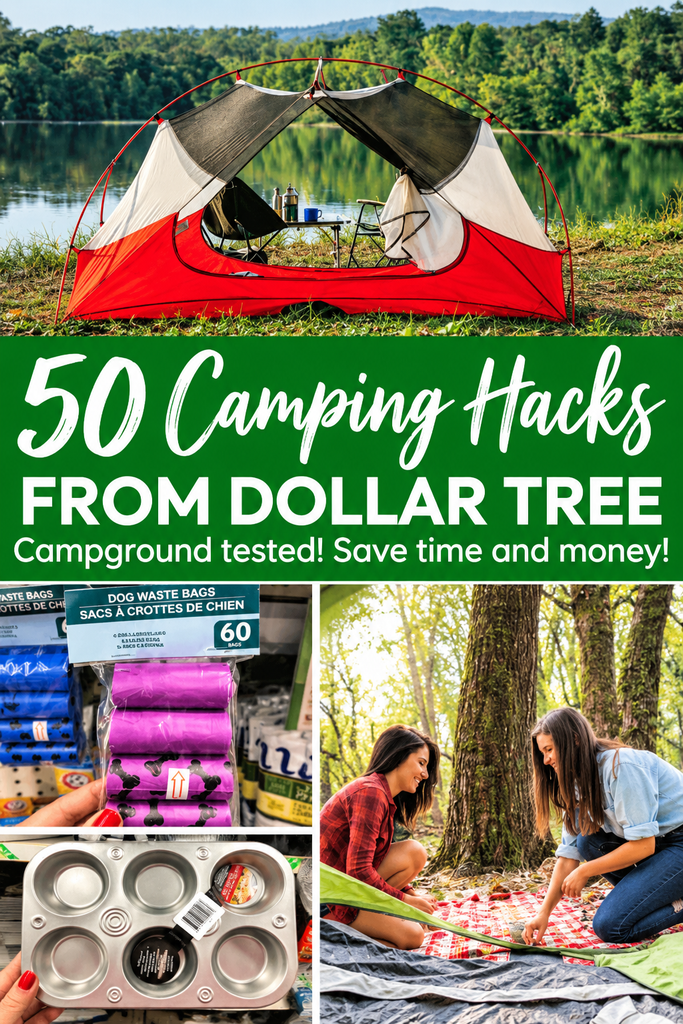
Keeping food organized, dealing with wet clothes, protecting supplies from dirt, creating extra storage, and keeping the campsite tidy are all things I think about before heading out. A few inexpensive items can make a noticeable difference without filling the car or camping bins with bulky equipment.
The best part is that many of these ideas are simple enough to prepare before leaving home. I can organize the items in advance, pack them with my regular camping gear, and have everything ready when I arrive at the campsite.
Why I Use Dollar Tree Items for Camping
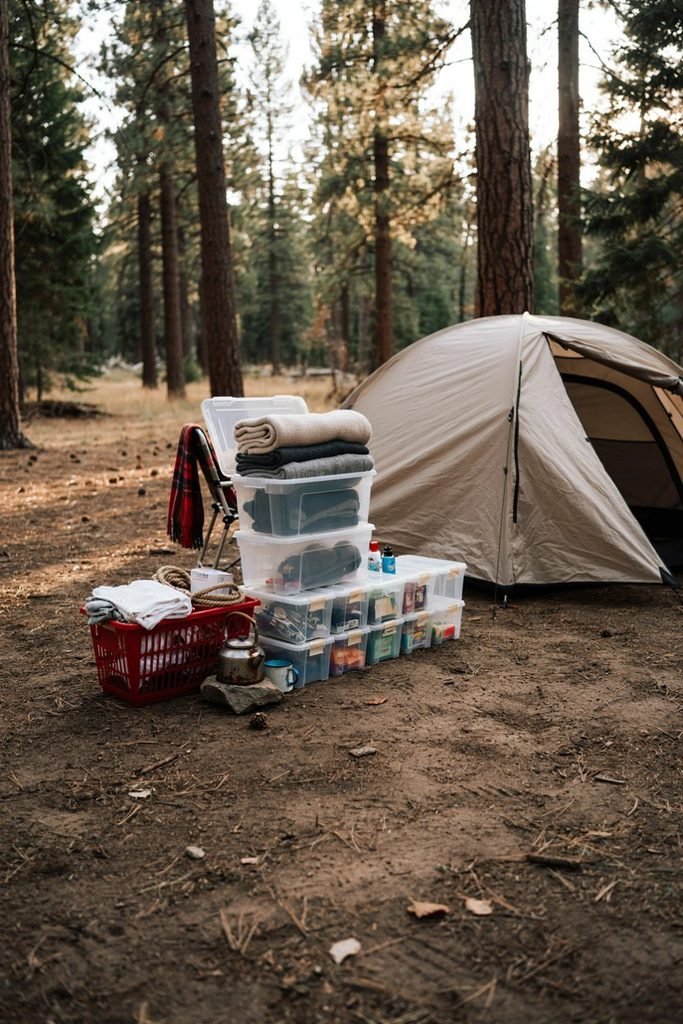
I do not consider inexpensive household products a replacement for proper camping equipment. Instead, I use them to solve smaller organization and convenience problems.
Camping can be hard on gear. Dirt, rain, mud, food spills, and constant packing and unpacking can quickly wear things out. I would rather use an inexpensive plastic basket to hold muddy items than risk damaging an expensive storage organizer.
Another reason I like these items is their size. Many Dollar Tree products are lightweight and easy to fit into camping totes, kitchen boxes, or small storage compartments.
Before buying anything, I ask myself one simple question: will this make something easier at the campsite? If the answer is no, I leave it behind.
1. Use Plastic Baskets to Organize Your Camping Gear
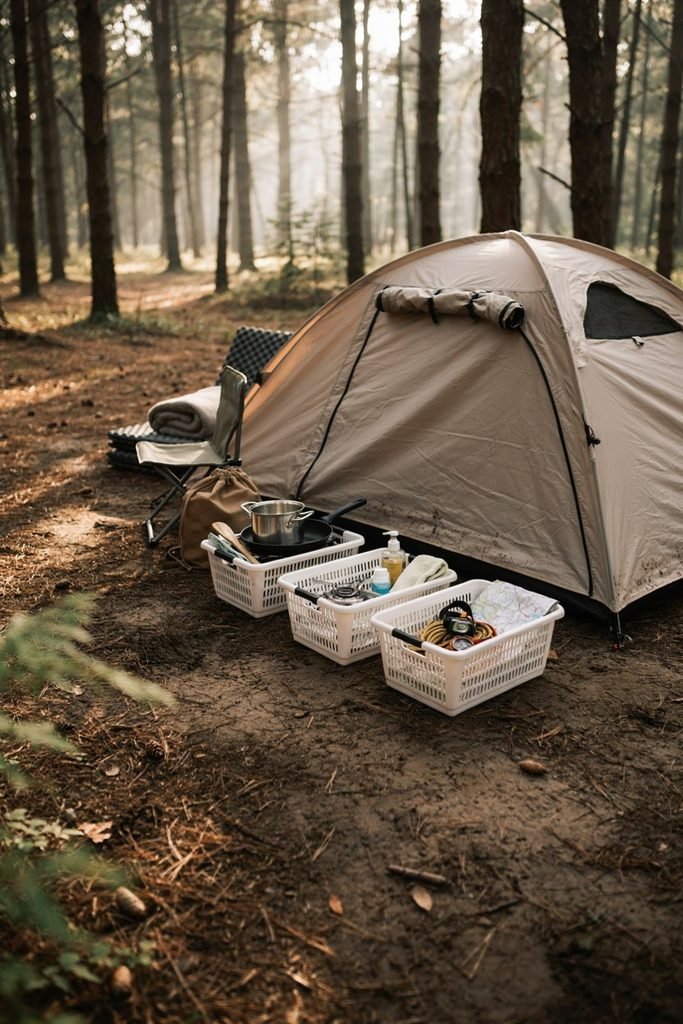
Plastic baskets are one of my favorite inexpensive camping organizers because they can be used for almost anything.
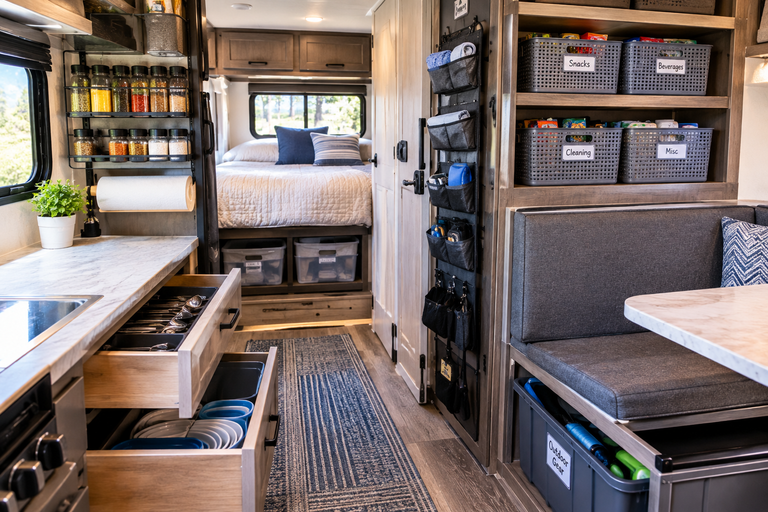
I like assigning each basket a specific job. One can hold cooking utensils, another can keep toiletries together, and another can be used for outdoor accessories such as sunscreen, insect repellent, towels, and wipes.
This works especially well when several people are sharing a campsite. Instead of having everyone search through the same large storage container, each category has its own place.
I also prefer baskets with open sides when I know I will be reaching into them frequently. Being able to see what is inside saves time and prevents small items from getting buried.
For camping, I find it much easier to grab one organized basket than carry several loose bags around.
2. Turn a Plastic Shower Curtain Into a Ground Cover
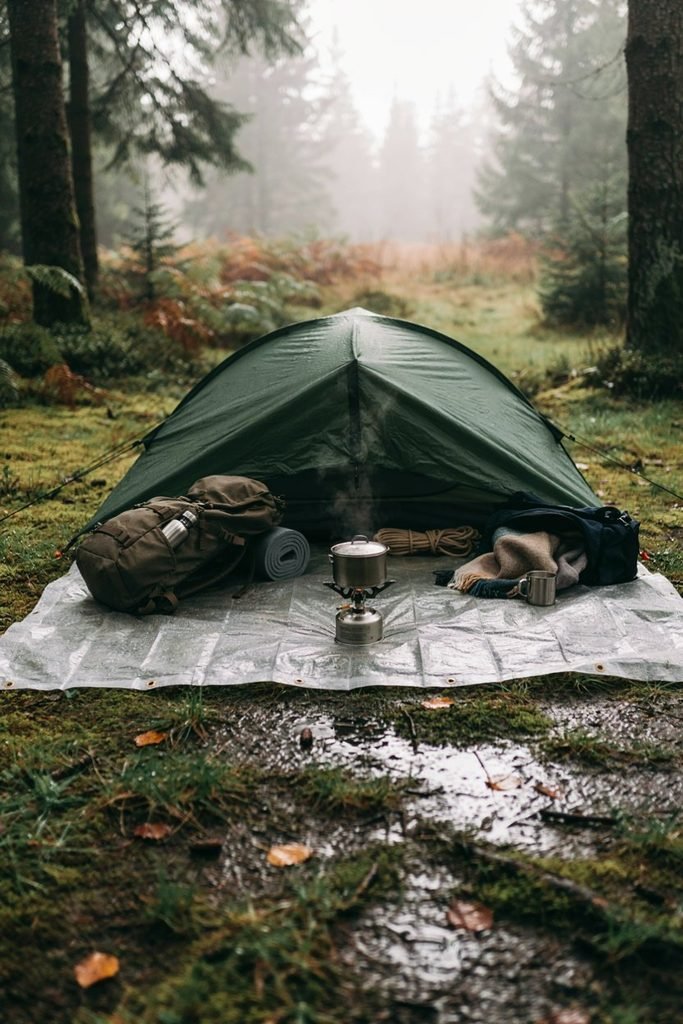
A plastic shower curtain can be surprisingly useful outdoors.
I use this type of inexpensive plastic sheet as an extra barrier between my belongings and damp or dirty ground. It works well underneath bags, shoes, small storage containers, or other items that I do not want sitting directly on wet grass.
It can also create a quick clean area beside the tent for changing footwear or organizing small pieces of equipment.
I would not rely on a thin shower curtain as the primary waterproof protection for a tent. A proper groundsheet or camping tarp is much more appropriate for that job. I use this hack for lightweight protection when I need something quick and easy.
The biggest advantage is how little space the curtain takes when folded.
3. Use Small Plastic Containers for Camping Food Organization
Small plastic containers can completely change the way I organize a camping kitchen.
Instead of throwing individual packets and ingredients into one large food box, I separate them into categories. Coffee supplies can go together, snacks can have their own container, and seasonings can be kept in another.
This makes cooking much easier because I know exactly where to look.
I especially like this idea for longer camping trips because food storage can become messy very quickly. Keeping smaller ingredients contained also helps prevent packets from getting crushed or lost underneath larger items.
For anything that needs reliable protection from moisture or pests, I use containers designed for secure food storage rather than depending on a loose fitting household container.
4. Create Extra Storage With Adhesive Hooks
Lightweight adhesive hooks can provide useful temporary storage around a campsite or camper.
I use them for things such as small towels, lightweight bags, keys, or other items that I want to keep off the floor.
The important thing is to check the surface before using them. Not every tent fabric, painted surface, or camper wall is suitable for adhesive hooks. I also avoid hanging anything heavy from them.
For lightweight items, though, they can create an extra storage point without taking up valuable floor or counter space.
This is particularly helpful in smaller camping spaces where every bit of organization matters.
5. Make a Simple Clothesline With Inexpensive Rope
A small roll of rope is something I like having in my camping supplies because it has so many uses.
One of my favorite uses is creating a simple clothesline for lightweight towels, swimsuits, dish towels, and damp clothing.
After swimming or washing dishes, I would rather hang wet items outside than leave them in a pile inside the tent. Having a designated place for damp items keeps the sleeping area more comfortable and organized.
I keep the line low enough to use safely and secure it properly before adding anything to it. I also keep the weight light because this is intended for small camping items rather than heavy clothing or equipment.
6. Use Plastic Clips to Keep Things Secure
Plastic clips are another inexpensive item that earns a permanent place in my camping supplies.
I use them to close opened food packages, secure lightweight towels, hold small bags shut, and keep items from blowing away.
Wind can turn a neatly organized campsite into a mess surprisingly quickly. A lightweight towel or opened food bag can easily move around if it is not secured.
I keep several clips in my camping kitchen container because they take up almost no room.
They are also useful when I need to separate or organize small groups of items inside a larger storage bin.
7. Build a Simple Outdoor Handwashing Station
A few inexpensive items can be combined to create a convenient handwashing area.
I like keeping soap, paper towels, wipes, and other cleaning supplies together in a small plastic basket. A separate water container can then be positioned nearby for washing hands.
This setup is particularly useful around an outdoor cooking area. Having cleaning supplies in one obvious location means I do not have to keep walking back to the main camping area whenever I need them.
I also find that a dedicated washing station encourages everyone to clean their hands before handling food.
When camping at an established campground, I always follow its rules for wastewater disposal. Soapy water should never simply be poured onto the ground unless the campground specifically permits it.
8. Put a Plastic Mat Outside the Tent
A small plastic mat can help control dirt before it reaches the inside of the tent.
I like placing one directly outside the entrance so everyone has a designated spot to remove muddy or wet footwear.
This simple habit makes cleaning the tent much easier. Dirt, grass, and moisture can quickly accumulate inside a tent when people repeatedly walk in wearing outdoor shoes.
The mat does not need to be fancy. The goal is simply to create a clear transition between the outdoor area and the sleeping space.
I find this especially helpful after rainy weather when the ground around the campsite becomes muddy.
9. Organize Tiny Items With Resealable Bags
Resealable plastic bags are useful for organizing all the little camping items that seem to disappear when they are loose.
I use different sizes to group small supplies such as cords, batteries, small accessories, first aid items, and other pieces that are easy to misplace.
Instead of searching through an entire camping box for one small item, I can check the appropriate bag.
For items that absolutely must stay dry, I use a proper waterproof container. Resealable bags are helpful for organization, but I do not treat them as a guaranteed waterproof storage solution.
I also label bags when I have several that look identical. That small step saves more time than I expected.
10. Turn a Dish Rack Into a Camping Drying Station
A small dish rack can be repurposed into a useful camping kitchen accessory.
After washing plates, cups, and lightweight cooking utensils, I can place them in the rack instead of leaving everything spread across the picnic table.
This gives the dishes a designated drying area and keeps the outdoor kitchen more organized.
I prefer using it for lightweight items rather than heavy cookware. It also needs to sit on a stable surface where it will not easily tip over.
For a simple outdoor kitchen, this is one of those inexpensive hacks that can make the whole setup feel more organized.
11. Use a Pencil Case for Small Camping Kitchen Tools
A basic pencil case can become a compact organizer for small camping accessories.
I use narrow cases for things such as reusable straws, small measuring spoons, bottle openers, lightweight utensils, and other little kitchen pieces.
Without an organizer, these items tend to end up scattered throughout a kitchen box.
The pencil case keeps them together and takes up very little space. I can also remove the entire case from the storage bin whenever I need those small accessories.
This is particularly useful when camping with limited storage because it uses vertical and narrow spaces that might otherwise be wasted.
12. Create a Simple Trash Bag Holder
A trash bag can become frustrating when it keeps collapsing or blowing around the campsite.
I like using a lightweight plastic basket or similar container to help hold the bag open while preparing meals and cleaning up.
It gives the trash a designated location and makes it easier to keep food scraps and packaging contained.
I keep the trash station away from where I prepare food while still making sure it is easy to reach. At the end of the day, I make sure all food waste and garbage are properly secured and disposed of according to the campground rules.
This small organization trick can make cleanup much quicker.
13. Use Small Bins for Camping Bathroom Supplies
Small plastic bins can make a camping bathroom setup much easier to manage.
I like keeping personal care products together rather than allowing bottles, wipes, and toiletries to spread across a bathroom counter or camping bag.
One container can hold shower supplies while another keeps items such as sunscreen, insect repellent, and personal care products together.
When it is time to pack up, everything goes back into the same container.
That makes the campsite easier to reset and reduces the chance of leaving small belongings behind.
14. Keep Dirty Shoes Inside a Dedicated Plastic Container
A shallow plastic container can provide a simple place for muddy footwear.
Rather than leaving dirty shoes beside the tent entrance, I can place them inside the container where mud and moisture are easier to contain.
This is especially useful after hiking on wet trails or camping during rainy weather.
I like this approach because it gives dirty footwear a specific location. It also helps prevent mud from being transferred to other camping supplies.
For larger or heavily muddy boots, a deeper utility tray is more practical.
15. Use a Plastic Tablecloth to Protect Your Camping Table
A basic plastic tablecloth can make an outdoor cooking and eating area easier to clean.
I like placing one over the picnic table before setting up food and kitchen supplies. It creates a cleaner working surface and helps protect the table from spills.
After the meal, cleanup is much faster because I can wipe the surface instead of scrubbing every small food mark from the table.
I also like having an inexpensive table covering because outdoor surfaces can be dusty or dirty even when they look clean.
For food preparation, I still use appropriate food safe cutting boards and surfaces rather than treating the tablecloth itself as a food preparation surface.
16. Use a Shower Caddy for Your Camping Kitchen
A plastic shower caddy can become a convenient organizer for your outdoor kitchen.
I like using one to keep frequently used utensils together. Wooden spoons, spatulas, tongs, cooking brushes, and other lightweight tools can all have their own place instead of being scattered around the picnic table.
The handle also makes it easy to move everything from the storage area to the cooking area when I am ready to prepare a meal.
I prefer using a caddy with drainage holes because outdoor cooking often involves water and spills. Any moisture can drain away instead of collecting inside the container.
This is one of those hacks that works particularly well when you are trying to create a compact camping kitchen.
17. Make a Camping Utensil Organizer With a Plastic Container
A tall plastic container can work as a simple holder for cooking utensils.
Instead of keeping spatulas and cooking spoons inside a drawer or storage box, I can place them upright in the container and keep it beside the cooking area.
This makes the utensils easy to grab while preparing food.
I also find that keeping the handles upright helps prevent them from touching the ground or getting mixed in with other camping equipment.
Place the container on a stable surface and keep it away from open flames and hot cookware.
18. Use a Cooling Rack to Protect Your Camping Table
A small cooling rack can have a second life as a heat resistant surface for appropriate camping cookware.
When I need to place a warm item on the table, a rack can create some separation between the cookware and the table surface.
The important part is knowing the limits of the item. I would not assume an inexpensive household cooling rack is suitable for direct contact with an extremely hot pan, open flame, grill, or camping stove.
For everyday organization and modest heat protection, however, it can be useful when paired with cookware that has already cooled appropriately.
19. Keep Camping Spices Together in a Small Container
Small plastic containers are perfect for creating a compact camping spice kit.
I like keeping the seasonings I actually use together rather than bringing several large bottles from home.
You can organize salt, pepper, garlic powder, paprika, seasoning blends, and other dry ingredients in small containers that take up much less space.
I recommend labeling everything before leaving home. Once several containers are the same size, it becomes surprisingly easy to grab the wrong one.
This little organization trick also makes meal preparation faster because the seasonings are all in one place.
20. Use a Plastic Basket for Your Campfire Supplies
A plastic basket can help keep approved fire starting supplies organized.
I like using one dedicated container for items such as fire starters, firewood accessories, and other small supplies that belong near the fire area.
Keeping these items together makes it easier to find what I need without searching through the main camping storage.
Fire safety still comes first. Only use fires where they are permitted, follow campground rules, and keep water or the appropriate fire extinguishing supplies readily available.
The basket is simply an organizer and should always be kept at a safe distance from flames and heat.
21. Create a Simple Camping Nightstand
A small plastic storage container can double as a makeshift bedside organizer inside a tent.
I like having one location beside my sleeping area for items I may need during the night, such as glasses, a phone, a flashlight, or other personal belongings.
Without a designated spot, these things can easily end up underneath a sleeping bag or disappear into the darkness.
A container with a flat top can also provide a small surface for lightweight items.
I keep the setup simple because I do not want a bulky bedside station taking up valuable floor space inside the tent.
22. Use a Small Mirror for Your Camping Bathroom Area
A lightweight plastic mirror can be a surprisingly useful camping accessory.
I like having one available when there is no convenient mirror near the campsite bathroom or when I am camping somewhere more remote.
A small mirror takes up almost no storage space and can be placed with the rest of my personal care supplies.
I prefer a lightweight plastic framed option rather than carrying a fragile glass mirror into the outdoors.
It is a small convenience, but it can make a basic camping setup feel much more comfortable.
23. Make a Simple Camping Shoe Station
A plastic basket or shallow container can become a designated shoe station.
I like keeping outdoor footwear in one location instead of allowing shoes to collect around the tent entrance.
You can use separate containers for clean footwear and muddy footwear if your setup has enough space.
This also makes packing easier because everyone knows where shoes belong when they are not being worn.
During wet weather, I make sure muddy or wet shoes have enough ventilation to dry rather than sealing them inside a closed container.
24. Use Storage Bags to Separate Clean and Dirty Clothes
Resealable storage bags or inexpensive larger bags can help separate clothing during a camping trip.
I like dividing clean clothes from items that have already been worn. This prevents everything inside the main clothing bag from becoming mixed together.
For longer trips, I can organize clothing by category or day and then have a separate bag for dirty clothes.
It is a simple system, but it makes packing and unpacking much easier.
I also avoid storing damp clothing in sealed plastic bags for long periods because trapped moisture can lead to unpleasant odors and mildew.
25. Turn a Small Basket Into a Camping Shower Organizer
A small plastic basket can make shower trips much easier.
I like putting soap, shampoo, conditioner, a washcloth, and other shower supplies into one portable basket.
Instead of carrying several loose bottles, I can grab the entire basket when heading toward the campground shower.
The open design also allows water to drain after use.
For shared bathrooms, I find this particularly convenient because everything stays together and I am less likely to forget a small item when packing up.
26. Use a Plastic Container to Protect Your Camping Electronics
Small plastic containers can provide an extra layer of protection for certain camping electronics and accessories.
I use containers to organize charging cables, power banks, spare batteries, and small electronic accessories.
Keeping these items together prevents cables from becoming tangled with cooking equipment or other camping supplies.
For electronics that require protection from significant moisture, I use a properly rated waterproof case rather than assuming an inexpensive plastic container is completely waterproof.
I also keep electronics away from direct heat and never leave charging equipment exposed to rain.
27. Create a Camping Snack Station
A small plastic basket can turn your campsite into a much more organized snack station.
I like putting individually packaged snacks in one easy to reach location rather than keeping several bags scattered throughout the food storage.
This can work well for crackers, granola bars, packaged nuts, dried fruit, and other shelf stable foods.
It also makes it easier to see what needs to be eaten first.
Any food that can attract animals should remain properly secured according to local campsite and campground rules. An open basket should never be treated as animal proof food storage.
28. Use a Dish Pan for Camping Cleanup
A plastic dish pan can be one of the most useful inexpensive additions to an outdoor kitchen.
I like using one as a dedicated washing basin for dishes and lightweight cookware.
It gives me a contained space for washing instead of trying to balance everything around a small campground sink.
A second pan can also be used for rinsing if your campsite setup allows it.
When disposing of wastewater, I always follow the campground’s specific rules. Some locations provide designated areas for dishwater, while others have different requirements.
29. Keep Your Camping Table Organized With Small Containers
Small containers can help divide a camping table into clear zones.
I like keeping cooking tools in one container, condiments in another, and frequently used accessories in a third.
This prevents the entire table from becoming one large pile of camping supplies.
I also try to keep the center of the table relatively clear. That gives me enough room to prepare food without constantly moving equipment from one side to another.
This simple organization system makes outdoor meals feel much less chaotic.
30. Use a Plastic Tray for a Camping Coffee Station
A shallow plastic tray can create a dedicated coffee station.
I like putting the coffee, cups, spoons, sweeteners, filters, and other lightweight supplies on one tray.
When I am ready to make coffee, I can move the whole setup to the cooking area.
This is especially convenient in the morning when I do not want to search through several storage containers.
The tray also helps contain small spills and keeps loose coffee accessories from spreading across the table.
31. Make a Rainy Day Gear Station
Wet weather can make a campsite messy very quickly.
I like creating one designated area for wet towels, rain gear, and damp outdoor accessories.
A plastic basket or container can hold smaller wet items while a clothesline can be used for lightweight pieces that need to dry.
Keeping wet gear in one area prevents moisture from spreading into the tent or mixing with dry clothing.
I also make sure anything that needs to dry properly has enough airflow rather than placing wet clothing into a closed container.
32. Use a Small Plastic Bin as a Camping Car Organizer
Dollar Tree storage bins are useful even before you arrive at the campsite.
I like using them inside the vehicle to keep small camping supplies from rolling around during the drive.
One bin can hold snacks, another can contain entertainment items, and another can keep frequently needed accessories together.
This makes unloading much easier because I can move one organized container at a time instead of carrying dozens of loose items.
It also helps keep the vehicle tidy during longer road trips.
33. Create a Simple Camping Cleaning Kit
I like putting basic cleaning supplies into one dedicated container before leaving home.
A small basket or plastic bin can hold cleaning cloths, sponges, wipes, trash bags, and other appropriate cleaning supplies.
Having everything together means I can deal with spills and messes immediately instead of looking for supplies after something has already become difficult to clean.
I keep food preparation cleaning supplies separate from products that are intended for bathrooms or general campsite cleaning.
This makes the system easier to manage and reduces the chance of using the wrong product around food.
34. Use a Laundry Bag for Camping Towels
A lightweight laundry bag can make it easier to manage towels during a camping trip.
I like having one dedicated place for used towels instead of letting them pile up inside the tent.
It can hold bath towels, hand towels, dish towels, and other washable fabric items until they can be cleaned.
If anything is wet, I let it dry as much as possible before putting it into the laundry bag. This helps prevent damp fabric from developing an unpleasant smell.
35. Make a Compact Camping Organization Box
One of my favorite ways to use inexpensive Dollar Tree containers is to create a small all purpose organization box.
I can fill it with the little things that are easy to forget but useful to have nearby, such as clips, small bags, ties, cleaning cloths, labels, and other lightweight accessories.
I keep this box separate from my main camping equipment because it acts as my backup organization kit.
Over time, I can adjust what goes inside based on the problems I actually encounter while camping.
That is one of the biggest advantages of creating your own camping system. You do not have to copy someone else’s setup exactly. You can build it around the things that make your own trips easier.
36. Use a Plastic Tray for Your Camping Essentials
A shallow plastic tray can become a useful landing spot for the things I reach for throughout the day.
I like using one for sunglasses, sunscreen, keys, a flashlight, and other small personal items. Instead of leaving these things on different surfaces around the campsite, I have one obvious place to put them.
This is particularly helpful when packing up because I can quickly check the tray before leaving.
I recommend keeping the tray somewhere protected from rain and direct heat.
37. Create a Dedicated Camping Tool Container
Small plastic containers are useful for keeping basic campsite accessories together.
I like having one container for lightweight tools and accessories that I regularly need, rather than mixing everything into my main camping storage.
Depending on the type of camping I am doing, this might include small household tools, clips, cordage, tape, zip ties, and other useful accessories.
The important thing is not to overload the container. I want to be able to find something quickly rather than digging through a box filled with random items.
38. Use a Plastic Basket for Your Campground Bathroom Trip
A small basket can make trips to a campground bathroom much easier.
I can keep toiletries, a towel, shower shoes, and other bathroom essentials together and carry everything in one trip.
This also gives me a place to put the items when I return to camp.
I prefer an open basket because it is easy to see everything and allows wet items to dry instead of trapping moisture inside a closed container.
39. Keep a Backup Set of Camping Supplies Together
I like having a small backup container with inexpensive items that I might need during the trip.
Extra plastic bags, clips, wipes, cleaning cloths, batteries, and other small accessories can go into this container.
The idea is not to prepare for every possible problem. It is simply to have a few inexpensive basics available when something gets misplaced or used up.
This has saved me from having to reorganize my entire camping setup when a small item runs out.
40. Use Plastic Containers to Organize Camping Games
If I am camping with family or friends, small plastic containers can keep games and entertainment supplies organized.
Cards, dice, small travel games, and other compact activities can all be kept together.
I prefer this over bringing several loose game boxes because the containers take up less room and are easier to pack.
For outdoor games, I can also keep small accessories together so they do not get lost around the campsite.
41. Make a Simple Camping Picnic Station
A plastic tray or basket can hold the supplies needed for an outdoor meal.
I like keeping napkins, utensils, cups, condiments, and other lightweight dining supplies together.
When it is time to eat, I can bring the entire basket to the table instead of making several trips.
This works particularly well when the cooking area and seating area are separated.
It also makes cleanup easier because everything can go back into the same basket when the meal is finished.
42. Use a Plastic Container to Store Camping Accessories
A lidded plastic container can protect small camping accessories from dirt and dust.
I like using these containers for items that I want to keep clean and organized between trips.
They can be particularly useful for small accessories that are not used every day but are important when camping.
Before storing anything, I make sure it is completely dry. Packing damp equipment into a sealed container can create unpleasant odors and moisture problems.
43. Create a Campground Laundry Station
If I am staying somewhere with laundry facilities, a lightweight basket or bag can make carrying clothes much easier.
I can keep dirty clothing together and move it from the tent, camper, or vehicle to the laundry area without carrying several loose bags.
For longer camping trips, I find it helpful to separate dirty clothing from clean clothing from the beginning.
That makes the final packing process much simpler because everything is already sorted.
44. Use a Plastic Table Cover for Messy Projects
A plastic table cover can protect your campsite table when working on messy activities.
I like using one when preparing food, cleaning equipment, handling muddy gear, or working on small campsite projects.
Once the job is finished, the surface can be wiped down before the table is used for eating.
This keeps the main table cleaner and gives me a dedicated surface for tasks that would otherwise create a mess.
45. Keep Camping Cords and Cables Organized
Small bags or plastic containers can keep charging cables and other cords from becoming tangled.
I like grouping cords by purpose rather than putting every cable into one large bag.
For example, vehicle charging accessories can stay together while personal electronics cables can have their own small container.
This makes it easier to grab what I need without pulling out a tangled collection of cables.
I also keep electrical connections protected from rain and moisture and only use equipment that is appropriate for outdoor conditions.
46. Make a Simple Campsite Cleaning Basket
A small basket can hold the supplies I use throughout the day to keep the campsite tidy.
I like keeping cleaning cloths, appropriate wipes, small trash bags, and other basic supplies together.
Having everything in one place encourages me to clean small messes immediately rather than allowing them to build up.
At the end of the day, I can quickly walk around the campsite with the basket and put things back where they belong.
47. Use Plastic Containers to Separate Camping Food Categories
I like taking food organization one step further by separating ingredients according to how I use them.
Breakfast supplies can have one container, snacks another, and cooking ingredients another.
This saves space because I am not carrying unnecessary packaging and makes meal preparation much easier.
I also find it easier to keep track of what has been used.
For foods that require refrigeration or temperature control, I still use an appropriate cooler or refrigerator. A basic plastic container is only for organization and should not be treated as a substitute for safe food storage.
48. Create a Small Campsite Entry Station
The area around the tent entrance can become cluttered very quickly.
I like creating a simple entry station with a mat, basket, and designated place for footwear.
The basket can hold small items that need to stay outside, while the mat helps separate outdoor dirt from the sleeping area.
This setup gives everyone a routine. Shoes come off in one place, small outdoor items go into the basket, and clean belongings stay inside.
It is a very simple system, but it can make a tent feel considerably more organized.
49. Use a Dollar Tree Basket to Organize Your Car Camping Setup
Car camping gives you more storage space, but that does not mean everything needs to be thrown into the vehicle.
I like using inexpensive baskets to divide supplies by purpose.
One basket can hold cooking equipment, another can hold personal items, and another can contain cleaning supplies.
When I arrive, I know exactly which basket needs to come out first.
This also makes packing at the end of the trip easier because everything already has a designated home.
50. Create Your Own Dollar Tree Camping Kit
After trying different camping hacks, I find it useful to build one dedicated Dollar Tree camping kit.
Mine would focus on the items I actually use rather than trying to include every inexpensive product I find.
A basic kit might include plastic baskets, small containers, clips, resealable bags, cleaning supplies, rope, a lightweight mat, and a few organizers.
The exact contents will depend on how you camp.
Someone staying in a tent may need different items from someone camping in an RV or car. That is why I prefer building the kit around my own camping routine rather than copying a generic checklist.
Common Mistakes to Avoid With Dollar Tree Camping Hacks
Cheap camping hacks are useful, but there are a few mistakes worth avoiding.
Do Not Use Cheap Plastic Near High Heat
I never assume an inexpensive plastic container is safe around a campfire, grill, camping stove, or hot cookware.
Plastic can melt, deform, or become damaged when exposed to heat.
Use equipment specifically designed for high temperature applications whenever heat is involved.
Do Not Rely on Household Items for Safety Equipment
A Dollar Tree item should not replace proper camping safety equipment.
This includes fire safety supplies, first aid equipment, electrical equipment, cooking equipment, tent hardware, and other gear where failure could create a serious problem.
The purpose of these hacks is convenience and organization.
Do Not Overpack Your Hacks
It is easy to get carried away when everything is inexpensive.
I have found that adding too many organizers can actually make camping more complicated. Every container needs somewhere to go, and every item adds something else to pack.
Before adding a new hack, I ask whether it solves a real problem.
If it does not, I leave it at home.
Do Not Forget About Weather
An item that works perfectly in dry weather may not be useful during heavy rain or strong wind.
I always consider how the weather could affect anything I plan to leave outside.
Lightweight baskets, bags, towels, and other loose items should be secured when windy conditions are expected.
Do Not Store Wet Items in Sealed Containers
This is an easy mistake to make.
If clothing, towels, shoes, or camping equipment are wet, I try to give them time to dry before sealing them inside a container.
Trapped moisture can lead to odors, mildew, and damaged belongings.
Ventilation is often more important than organization when dealing with wet camping gear.
How to Get the Most From Dollar Tree Camping Hacks
The best way to use these hacks is to think about your own camping routine.
Pay attention to the moments when something feels inconvenient. Maybe your cooking utensils are always scattered across the picnic table. Maybe dirty shoes keep getting mud inside the tent. Perhaps small toiletries are difficult to carry to the campground shower.
Those are the problems worth solving.
I do not buy a Dollar Tree item simply because someone online says it is a camping hack. I think about how I would actually use it, whether it takes up too much space, and whether it is durable enough for the job.
That approach keeps my camping setup practical instead of cluttered.
Final Thoughts
Dollar Tree camping hacks can be a great way to improve your campsite without spending a lot of money. The most useful ideas are often the simplest ones, such as using baskets for organization, containers for small supplies, clips for securing loose items, and inexpensive mats for keeping dirt outside the tent.
What I like most about this approach is that I can customize everything around the way I actually camp. I do not need expensive organizers for every little task. A few inexpensive items can make cooking, cleaning, storing gear, and settling into camp much easier.
The key is knowing where a cheap household item is genuinely useful and where proper camping equipment is necessary. When I keep that distinction in mind, I can save money without sacrificing practicality or safety.