Is It Illegal to Sleep in Your Car? The Rules Every Van Lifer Should Know
Sleeping in your car can be one of the simplest ways to save money while traveling, especially when you are spending long days on the road and do not want to pay for a hotel every night.
But one thing I have learned from spending time around van life and road travel is that finding a place to park is not the same as finding a legal place to sleep.
A parking lot may look quiet and welcoming at night, yet local signs or regulations can make overnight stays illegal.
The rules can also change depending on whether you are parked on a city street, at a rest area, on private property, in a national forest, or on Bureau of Land Management land. That is why I never treat sleeping in a vehicle as automatically legal or illegal.
I look at the specific location, check the posted rules, and make sure I understand what type of land I am on before settling in for the night. In this guide, I will walk you through the rules, common places to sleep, important restrictions, and practical ways to avoid problems.
Is It Illegal to Sleep in Your Car?
The short answer is that sleeping in your car is not automatically illegal everywhere, but it is not automatically legal everywhere either.
This is one of those van life questions where the location matters more than the vehicle itself.
A person sleeping inside a legally parked car may be completely within the rules in one location. In another location, an overnight parking restriction, camping ordinance, posted sign, private property rule, or land management regulation may prohibit the same thing.
That distinction is important because many new van lifers assume that if a vehicle can legally park somewhere, the person inside can automatically spend the night there.
That is not always how local regulations work.
When I am deciding whether a spot is suitable for an overnight stay, I pay attention to more than whether I can physically fit the van into the parking space. I look for signs about overnight parking, camping, maximum parking times, permits, and hours when the lot or street must be cleared.
I also consider who controls the land.
A city street has different rules from a Walmart parking lot. A rest area has different rules from a BLM campsite. A national forest has different regulations from a residential neighborhood.
That is why a general statement such as “you can sleep in your car anywhere you can park” can get van lifers into trouble.
Why the Rules Are Different From Place to Place
There is no single nationwide rule that makes sleeping in a vehicle legal or illegal in every situation.
Rules can come from several different levels of government and property management.
A city may have an overnight parking ordinance. A county may have restrictions on camping in vehicles. A state may establish rules for rest areas. A federal land agency may have its own camping limitations. A private business can also establish rules for its parking lot.
This means you need to identify the exact location before assuming that a general van life rule applies.
I have found that this simple habit makes overnight travel much easier. Instead of asking only, “Can I park here?” I ask a few more questions.
Is overnight parking allowed?
Is sleeping inside the vehicle allowed?
Is camping prohibited?
Is there a time limit?
Do I need permission?
Is this public land or private property?
Are there signs with additional restrictions?
Those questions can save you from waking up to a knock on the window, a parking citation, or being asked to leave in the middle of the night.
Sleeping in Your Car Versus Camping
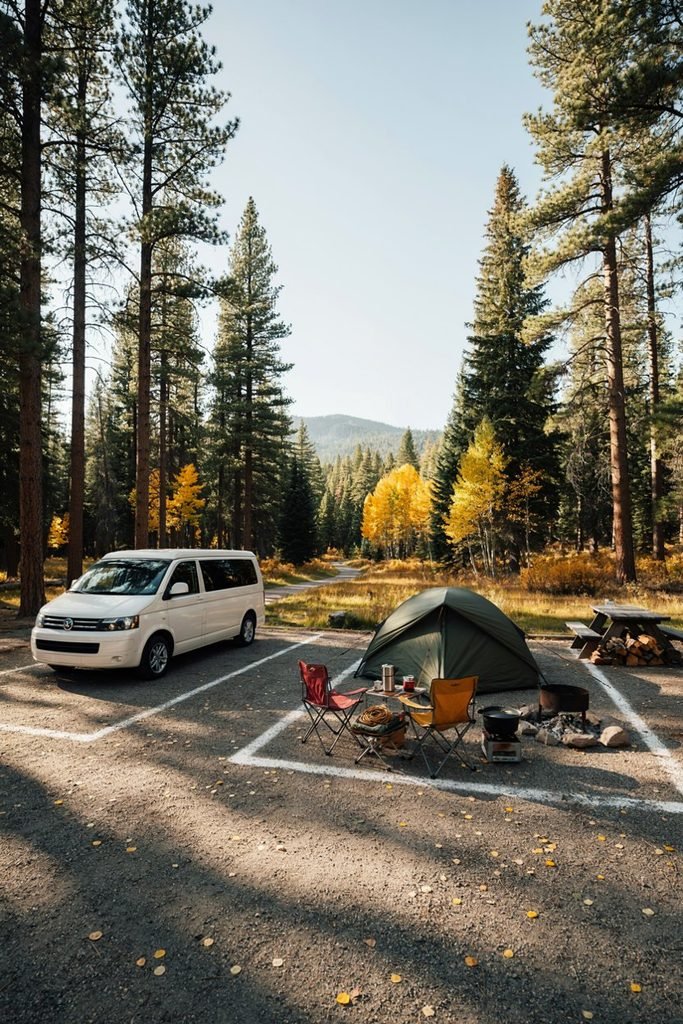
One of the most important distinctions for van lifers is the difference between simply parking and actually camping.
The definition can vary by location, so I never rely on one universal interpretation.
In some places, remaining inside a parked vehicle overnight may be treated differently from setting up an outdoor campsite. In other areas, local rules may specifically prohibit sleeping or living in a vehicle regardless of whether you have camping equipment outside.
This is why I keep my overnight setup simple when I am staying somewhere that allows vehicle parking but is not specifically designated as a campground.
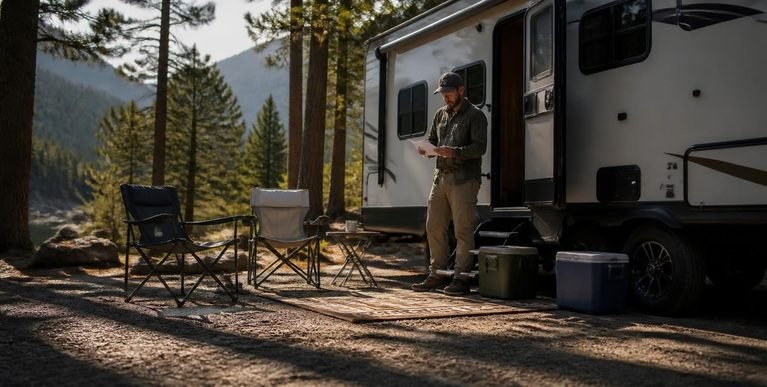
I do not put chairs, tables, awnings, cooking equipment, or other belongings outside unless the location specifically permits those activities.
The goal is to follow the rules of the location rather than make a normal parking situation look like a campsite.
That approach also makes moving on in the morning much easier.
Can You Sleep in Your Car on Public Streets?
This is where van lifers need to be especially careful.
A public street does not automatically mean you have permission to sleep there overnight.
You first need to determine whether overnight parking is permitted. Even when overnight parking is allowed, there may be restrictions on how long the vehicle can remain in the same space.
Some cities also have regulations concerning sleeping or camping in vehicles.
When I am considering a residential street, I look carefully at every sign near the parking area. I also check the local parking regulations rather than assuming that an empty street is available for overnight use.
A quiet neighborhood can look like the perfect place to sleep, but residents may have different expectations about overnight vehicle stays, and local authorities may enforce parking or camping restrictions.
For me, avoiding residential streets unless I have clearly confirmed that an overnight stay is permitted is much less stressful than trying to guess.
Can You Sleep in Your Car at Rest Areas?
Rest areas are another place where van lifers often assume the rules are the same everywhere.
They are not.
Some rest areas permit overnight parking or allow drivers to remain for a certain period so they can rest safely. Others have specific time limits or prohibit overnight stays.
The safest approach is to check the signs at the particular rest area and confirm the applicable state transportation rules.
I also treat a rest area as a place to rest, not as a guaranteed campground.
If the posted rules give me a maximum stay, I follow that limit. If overnight parking is prohibited, I move on rather than assuming that sleeping inside the vehicle will be overlooked.
This is especially important because rest areas are designed around traveler safety and temporary stops, not necessarily long term vehicle living.
Sleeping on BLM Land
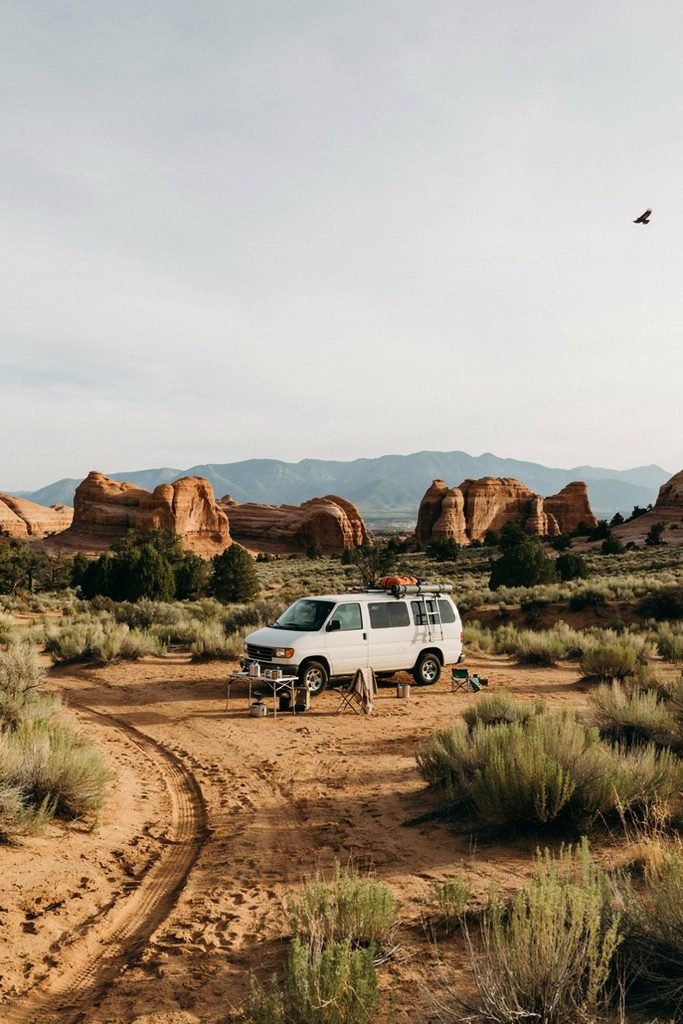
BLM land can provide excellent options for van lifers, but “BLM land” does not mean every parking area is automatically available for overnight camping.
The Bureau of Land Management states that most of its public lands allow dispersed camping unless an area is specifically closed or has other restrictions. However, rules vary by location, and visitors are instructed to check with the local BLM office for specific requirements.
Many BLM areas use a general 14 day camping limit within a 28 day period, although individual field offices can establish different restrictions. Some areas also restrict camping to designated sites.
That is why I always check the specific BLM field office or recreation area rather than relying on something I read about another location.
A particularly important detail is that some developed BLM areas can prohibit overnight parking even when dispersed camping is available elsewhere on the same public land.
For example, BLM’s Fishtrap Recreation Area in Washington specifically prohibits camping and overnight parking in developed sites such as parking lots, picnic areas, and trailheads.
That is a perfect example of why van lifers need to look at the rules for the exact spot.
What I Check Before Sleeping Anywhere
Before I settle in for the night, I like to run through a simple checklist.
I check the signs first.
Then I identify who manages the property.
After that, I look for overnight parking restrictions, camping restrictions, time limits, permits, and any special local rules.
If I am on public land, I check the official land management website for that specific area.
If I am on private property, I make sure overnight parking is actually permitted rather than assuming an open parking lot means I can stay.
That small amount of preparation can make a huge difference when you are traveling in a van.
The biggest lesson I would give another van lifer is simple: never confuse an empty parking space with permission to spend the night.
Absolutely. Part 2 will continue directly from Part 1 and keep the same practical, personalized van life style, with the focus on where you can and cannot sleep in your car.
Where Can You Legally Sleep in Your Car?
Once you understand that the rules depend on the location, the next question is much more useful: where can you actually spend the night?
There are several options that van lifers use, but each one comes with its own rules and limitations. I never treat any particular type of parking area as an automatic overnight option. Even locations that are commonly mentioned in van life groups can have different policies depending on the city, property owner, or land manager.
Here are the places I would check when planning an overnight stop.
Campgrounds
A campground is usually the most straightforward option because overnight camping is specifically what the property is designed for.
You generally know where you are allowed to park, how long you can stay, and what facilities are available. Depending on the campground, you may have access to bathrooms, showers, drinking water, picnic areas, dump stations, and other useful amenities.
When I want a predictable night without spending time figuring out whether a parking area allows sleeping, a campground removes much of that uncertainty.
The downside is the cost. Some campgrounds are inexpensive, while popular private campgrounds can become surprisingly expensive, particularly during busy travel seasons.
Another thing I check is the campground’s vehicle policy. A campground may have specific rules about the size of your vehicle, generator hours, quiet hours, and whether you need to reserve a designated site.
National Forests
National forests can offer excellent opportunities for van travelers because some areas allow dispersed camping outside developed campgrounds.
However, you need to check the rules for the particular national forest and district you plan to visit.
The U.S. Forest Service explains that dispersed camping is generally camping outside a developed campground, but local restrictions can apply, including stay limits, seasonal closures, fire restrictions, and designated camping requirements.
I never assume that every pullout or forest road is available for overnight camping simply because it is surrounded by public land.
Before driving into an unfamiliar area, I check the local forest service information and look for signs once I arrive.
This is especially important during fire season. A location that normally allows dispersed camping may have temporary restrictions because of wildfire danger or other conditions.
Bureau of Land Management Land
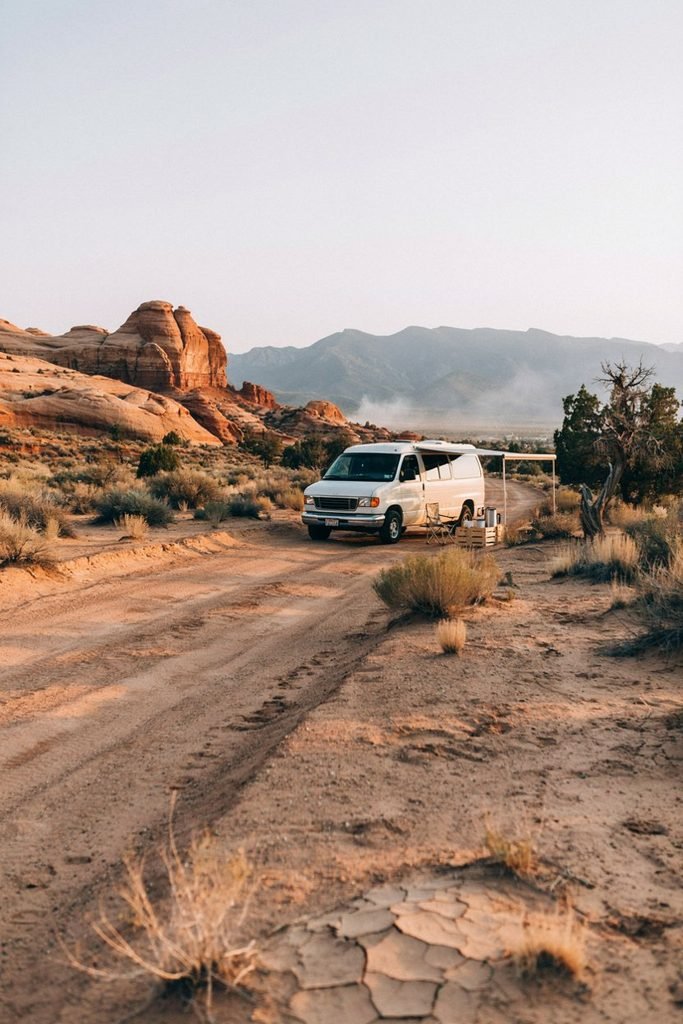
BLM land is another popular option for people traveling in vans, RVs, and other vehicles.
Many BLM-managed public lands allow dispersed camping, but the exact rules depend on the area. Some locations have designated dispersed camping zones, while others have restrictions that apply to specific roads, recreation areas, trailheads, or developed facilities.
The BLM recommends checking with the local field office for the rules that apply to the area you plan to visit.
This is one place where doing a little research before arriving can make your trip much easier.
I also pay attention to stay limits. The common 14 day limit is not something I treat as a universal rule for every piece of BLM land because individual areas can have different restrictions.
If I am staying on public land for several nights, I keep track of my dates rather than relying on memory.
Walmart and Other Store Parking Lots
Large retail parking lots are often discussed in van life conversations because some stores have historically allowed overnight parking.
The important word is some.
A company wide assumption is not enough because individual store managers, local ordinances, property owners, and city regulations can affect whether overnight parking is permitted.
I would never arrive at a store late at night, park in the corner, and assume that sleeping inside the vehicle is allowed.
If I want to use private retail property, I look for posted signs and ask the property manager or store management when appropriate.
If they say overnight parking is not permitted, I move on.
That is much better than waking up to find that the property has a policy you did not know about.
It is also worth remembering that parking permission and permission to camp are not necessarily the same thing. If a property allows temporary parking, that does not automatically mean you can set up your entire living area outside the vehicle.
Truck Stops and Travel Centers
Truck stops can be useful for road travelers because they are designed around people who need to stop and rest during long journeys.
Some allow overnight parking, while others have designated areas or specific rules for different types of vehicles.
The biggest advantage is convenience.
Many truck stops operate around the clock and may have fuel, food, restrooms, showers, laundry facilities, and other services. For someone traveling long distances, that can make a major difference.
When I use this type of location, I stay considerate of the commercial nature of the property. I park where I am supposed to park, keep my setup inside the vehicle, avoid taking spaces intended for commercial trucks, and follow the posted time limits.
A busy truck stop is not the place to spread your belongings around the parking area.
Casinos
Some casinos have historically permitted overnight RV or vehicle parking, and certain properties still offer designated overnight areas.
But this is another situation where the rules belong to the individual property.
Before settling in, I check whether overnight parking is allowed and whether the casino requires registration or permission.
Some properties may have designated RV areas, security procedures, or time limits. Others may not permit overnight vehicle stays at all.
I also avoid assuming that because another traveler stayed there previously, the same policy still applies today.
Property policies can change.
Rest Stops and Highway Rest Areas
Rest areas can be convenient when you are driving long distances, but you need to read the signs carefully.
Some states permit drivers to rest for a specified period, while others impose different restrictions on overnight parking.
This is an important distinction for van lifers.
Stopping because you are tired and need to rest is very different from treating a highway rest area as your regular campsite.
When I stop at a rest area, I look at the maximum stay and any overnight restrictions before getting comfortable.
If the rules limit the amount of time I can remain there, I follow those rules even if the parking lot looks empty.
Apartment Complexes and Residential Neighborhoods
Residential areas can look tempting, particularly when you find a quiet street with plenty of parking.
I generally consider these locations much more carefully.
A vehicle may be legally parked on a public street while local rules separately restrict overnight sleeping or camping in vehicles. There may also be permit requirements, street cleaning schedules, residential parking zones, or maximum parking times.
I also think about the people who actually live there.
Van life works much better when you are not creating unnecessary attention or inconvenience for residents. Parking directly outside someone’s home for several nights, blocking driveways, occupying the same space for extended periods, or creating noise can quickly turn an otherwise quiet situation into a problem.
If I cannot clearly establish that an overnight stay is permitted, I look for another option.
Hospital Parking Lots
Hospital parking lots sometimes appear attractive because they are well lit and may operate around the clock.
That does not mean they are available for overnight sleeping.
Hospitals are private or institutionally controlled properties, and their parking policies can be strict. Some lots require permits, charge overnight parking fees, or restrict certain areas to patients and staff.
I would not use a hospital parking lot simply because it appears quiet at night.
If there is a legitimate reason to be there, I follow the hospital’s parking instructions and do not treat medical facilities as unofficial campgrounds.
Beaches and Coastal Parking Areas
Beach parking can be one of the most tempting overnight options for van lifers.
Imagine parking near the ocean, watching the sunset, and waking up close to the beach.
The reality is that coastal parking areas frequently have specific overnight restrictions.
A beach may close at a certain hour. A city may prohibit overnight parking. A county may restrict camping in vehicles. A parking lot may have a maximum stay or require a permit.
I always check the signs at beach parking areas rather than assuming that a beautiful location is available for overnight use.
The same applies to scenic overlooks, trailheads, and popular tourist parking areas.
Beautiful does not automatically mean legal.
Resting at a Friend’s or Family Member’s Property
Private property can be one of the simplest options when you have permission from the owner.
If someone gives you permission to park in their driveway or on their private land, that can eliminate many of the problems associated with searching for public overnight parking.
However, local zoning or other regulations can still matter depending on the circumstances, particularly if the arrangement becomes long term.
For a short visit, clear permission from the property owner is an important starting point.
I also prefer having the permission clearly understood before arriving rather than assuming that a casual invitation from weeks earlier still applies.
Private Parking Lots
Private parking lots require extra caution because the property owner controls the space.
A lot can be completely empty at night and still prohibit overnight parking.
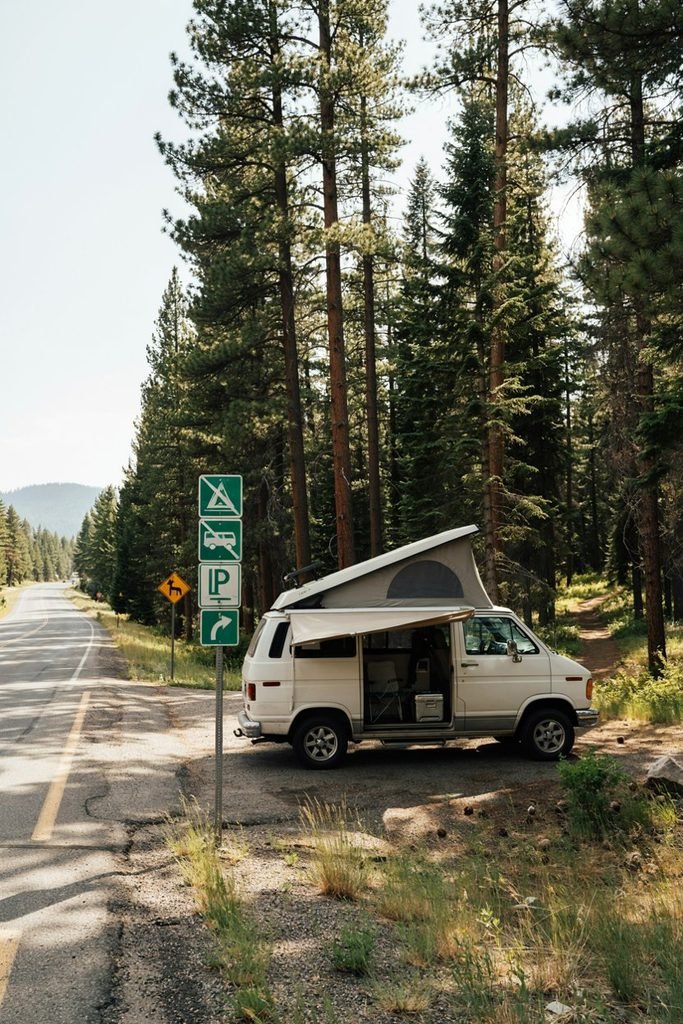
Look for signs at entrances and around the parking area. Check whether the lot has towing warnings, time limits, permit requirements, or restrictions on overnight parking.
If you are unsure who controls the property, that is a good reason to find another location.
One of the biggest mistakes I see people make with vehicle sleeping is assuming that an empty parking lot means nobody cares.
An empty lot simply means it is empty.
It does not tell you whether you have permission to stay.
What About Sleeping in a Car at a Hotel?
A hotel parking lot can sometimes seem like an easy overnight solution, particularly if you arrive late and see plenty of empty spaces.
But hotel parking is normally intended for guests and authorized visitors.
If you are staying at the hotel, follow its parking rules. If you are not a guest, do not assume that an empty space gives you permission to spend the night there.
Some hotels may have specific policies for larger vehicles or overnight parking, so asking management is the safest approach.
Can You Sleep in a Car at a Park?
Public parks can have very different rules.
Some parks close at sunset. Others remain open late. Some allow overnight camping only in designated campgrounds, while others prohibit overnight vehicle parking entirely.
I always look for the park’s posted opening and closing hours as well as camping and parking rules.
A parking lot being open during the day does not mean it remains available overnight.
This is particularly important at city and county parks, where local ordinances can be more restrictive than the general rules you may have encountered elsewhere.
The Biggest Mistake Van Lifers Make
The biggest mistake is relying on information that was true somewhere else.
A traveler might tell you, “I slept there last year and nobody bothered me.”
That does not establish that you can legally sleep there tonight.
Rules change. Signs change. Property owners change policies. Cities introduce new ordinances. Seasonal restrictions can come into effect.
I treat other travelers’ experiences as useful clues, not as legal permission.
The same principle applies to apps, social media posts, blogs, and online maps. They can help you identify potential places, but I still verify the current rules when I arrive.
A Simple Rule I Follow
When I am unsure about a parking spot, I ask myself one question:
Do I have a reasonable basis to believe I am actually allowed to spend the night here?
If the answer is no, I keep looking.
I would rather drive another thirty minutes and find a permitted location than spend the entire night wondering whether someone will knock on the window.
That small change in mindset makes van life feel much less stressful.
The goal is not simply to find somewhere to park.
The goal is to find somewhere you are allowed to park, sleep safely, respect the surrounding area, and leave without creating a problem for yourself or anyone else.
What Happens If You Are Asked to Leave?
Being asked to leave does not necessarily mean you have committed a serious offense.
Depending on the situation, a property owner, security officer, police officer, or other authorized person may simply tell you that overnight parking or sleeping is not permitted.
If that happens, I would keep the interaction calm and respectful.
Do not turn a simple request to move into an argument.
If the location does not permit overnight sleeping, the practical solution is usually to pack up and find somewhere that does.
I also avoid treating a previous warning as permission to return later. If a location tells you that overnight stays are not allowed, I consider that information useful for future planning and choose a different spot.
Why I Prefer Having a Backup Location
One of the best habits I have developed with road travel is never relying completely on one overnight location.
A place can be full. A gate can be closed. A sign can reveal a restriction you did not expect. Weather can make a dirt road inaccessible. A campground can have no vacancies.
Having a second and third option makes those situations much easier.
Before heading toward an overnight spot, I like to know where I can go if the original plan does not work.
That is particularly valuable when traveling late in the evening.
Searching for a legal place to sleep while already exhausted is not the situation I want to create.
Planning ahead gives me more choices and makes the entire night more relaxed.
How to Avoid Getting a Ticket or Towed
The easiest way to avoid problems when sleeping in your car is to do the research before you park.
I do not rely on how quiet a location looks or whether I see other vehicles spending the night there. I check the posted signs, identify who manages the property, and look for restrictions that could affect an overnight stay.
There are a few things I pay particular attention to.
Parking time limits are important. A sign allowing parking for two hours does not become an overnight permission simply because the lot is empty at midnight.
I also look for towing information. If a sign says unauthorized vehicles may be towed, I take that seriously.
Another thing I watch for is language about camping, sleeping, or overnight parking. These terms can have different meanings depending on local rules, so I do not assume one automatically covers the other.
When regulations are unclear, checking the official city, county, state, or land management website can give you a much better answer than relying on a social media comment.
Read Every Sign Before You Settle In
One of the simplest habits that can save you a lot of trouble is reading the signs around your parking spot.
I know it sounds obvious, but it is easy to pull into a large parking area, see an open space, and immediately start preparing for the night.
Instead, I take a few minutes to walk around and check the entrances and nearby signs.
Look for information about:
Parking hours
Maximum parking time
Overnight parking
Camping
Permits
Tow zones
Private property
Park closing hours
Resident permits
Seasonal restrictions
Special event restrictions
A restriction posted at the entrance can apply to the entire parking area even if there is no sign directly beside your vehicle.
If I cannot understand a sign, I would rather spend a few extra minutes researching it than assume it means what I want it to mean.
Keep Your Van Looking Like a Parked Vehicle
When overnight parking is permitted, I still try to make my vehicle look like a vehicle that is parked rather than a campsite that has moved onto the parking lot.
That means keeping the setup contained inside.
I avoid putting chairs, tables, rugs, cooking equipment, laundry, storage bins, or other belongings outside unless the location specifically allows it.
This is not about hiding what I am doing. It is about respecting the purpose of the parking area and following the rules.
A simple setup also makes it much easier to leave quickly if circumstances change.
Avoid Blocking Other People
Good parking etiquette matters just as much as knowing the rules.
I make sure I am inside the marked space and leave enough room for other vehicles to maneuver.
I never block entrances, loading zones, fire lanes, sidewalks, driveways, dumpsters, or access roads.
If I am staying somewhere with designated overnight spaces, I use those spaces instead of taking a location that another person needs for a different purpose.
Van life gives you freedom, but that freedom comes with responsibility.
Taking up more space than necessary can turn a perfectly acceptable overnight stop into an unnecessary problem.
Keep Noise to a Minimum
Quiet hours are worth respecting even when they are not specifically related to sleeping in your vehicle.
I keep music, conversations, generators, and other noise low, especially late at night.
This is particularly important when parking near homes, campgrounds, hotels, businesses, or other travelers.
Nobody wants to wake up because the van next door decided that midnight was the perfect time to run a loud generator or reorganize the entire vehicle.
A quiet overnight setup is better for everyone.
Be Careful With Generators
Generators can be useful for van life, but they are not appropriate everywhere.
Some campgrounds and parking areas have specific generator hours or prohibit generators completely.
Even where generators are permitted, noise can disturb other people.
I always check the local rules before using one.
Carbon monoxide is another serious concern. Never run a gasoline, propane, or other fuel burning generator inside the vehicle or in an enclosed space.
A vehicle should also have working carbon monoxide detection if you are spending significant time sleeping inside it.
Do Not Cook With Open Flames Inside Your Vehicle
Cooking inside a van requires common sense and proper equipment.
I avoid using open flames inside a confined sleeping area unless the vehicle is specifically designed and equipped for that type of cooking.
Fire can spread incredibly quickly inside a small space, while cooking also creates fumes and carbon monoxide risks depending on the equipment being used.
If I am unsure whether a particular cooking appliance is appropriate for indoor use, I do not use it inside the van.
Safety comes before convenience.
Keep an Eye on Weather and Local Conditions
A legal parking spot is not necessarily a safe parking spot.
Before settling down for the night, I consider the weather and the surrounding environment.
Extreme heat, heavy snow, flooding, high winds, wildfire conditions, and coastal storms can all change whether a location is suitable.
I pay particular attention to areas near rivers, washes, steep slopes, beaches, and exposed roads during severe weather.
When conditions look questionable, I would rather change plans than wake up in a dangerous situation.
Keep Valuables Out of Sight
Sleeping in your vehicle means your belongings are with you, so I try not to advertise what is inside.
I keep valuable electronics, cash, cameras, and other expensive items out of obvious view.
I also make sure the vehicle is locked before going to sleep.
This does not guarantee that nothing will happen, but reducing visibility can make the vehicle less attractive to opportunistic thieves.
I also avoid sharing my exact overnight location publicly while I am still there.
Once I have left, sharing the location is a different matter, but I prefer not to broadcast where I am sleeping in real time.
What to Do If Someone Knocks on Your Window
This is one of the situations that makes new van lifers nervous.
If someone knocks on your window, stay calm.
First, determine who is outside and why they are there.
If it is property security or an authorized official asking you to leave because overnight parking is not permitted, the simplest solution is usually to leave.
You do not need to turn the situation into an argument.
If you believe you are legally parked and there is a disagreement about the rules, remain polite and ask for clarification. You can also move to another location and research the regulations afterward.
The important thing is not to escalate the situation while you are tired and inside a vehicle at night.
What If You Get a Parking Ticket?
A parking ticket can happen if you violate a parking rule, exceed a time limit, park in a restricted area, or otherwise fail to follow local regulations.
If you receive one, read the information carefully.
The ticket should tell you what violation was recorded and what steps are available for payment or contesting it.
If you genuinely believe the ticket was issued incorrectly, research the applicable local rule and follow the official process for disputing it.
Do not simply ignore it because you were sleeping in your vehicle.
Parking penalties can become more complicated if they are left unresolved.
Do Not Assume Stealth Means Legal
The word “stealth” gets used frequently in van life.
A stealth setup can make a vehicle less noticeable, but it does not change the law.
Tinted windows, blackout curtains, a plain exterior, or keeping everything inside the van does not turn an illegal overnight stay into a legal one.
I think of stealth as a way to maintain privacy and reduce unnecessary attention, not as a way around parking regulations.
If overnight sleeping is prohibited, making the van harder to notice does not change that restriction.
Use Apps as Planning Tools, Not Legal Authorities
Van life apps and online communities can be extremely useful for discovering potential overnight locations.
They can help you find campgrounds, public land, parking areas, rest stops, dump stations, fuel, showers, and other resources.
But I never treat an app listing as proof that a location is currently legal.
A location can change its rules after a listing is created.
Signs can change.
Local ordinances can change.
A business can change its overnight parking policy.
A location that worked for another traveler six months ago may not be available today.
I use these resources to find possibilities, then verify the rules myself.
Respect Local Communities
One of the easiest ways for vehicle travelers to create conflict is by treating every available parking space as a free campsite.
I try to remember that the places I visit are communities where people live and work.
That means keeping the area clean, disposing of trash properly, respecting quiet hours, avoiding unnecessary noise, and leaving the space exactly as I found it.
If a location has clearly become less welcoming to overnight vehicle travelers, I do not try to push the limits.
Being respectful can make a big difference in how van travelers are perceived.
Leave No Trace
The basic principle is simple: leave the location as clean as, or cleaner than, you found it.
Take your trash with you.
Do not dump wastewater.
Do not leave food behind.
Do not damage vegetation.
Use designated toilets or facilities when available.
Avoid creating a permanent impact at dispersed camping locations.
On public lands, responsible camping helps protect the places that make this style of travel possible.
A Simple Overnight Parking Checklist
Before I settle in for the night, I like to run through this quick checklist.
1. Am I legally allowed to park here?
Make sure parking itself is permitted.
2. Is overnight parking allowed?
Look for specific restrictions rather than assuming daytime parking rules continue through the night.
3. Is sleeping or camping in the vehicle prohibited?
Check local rules and posted signs.
4. Who owns or manages the property?
Identify whether you are on city, county, state, federal, or private property.
5. Is there a time limit?
Make sure your planned stay does not exceed the allowed period.
6. Do I need a permit or reservation?
Some locations require authorization even when overnight stays are permitted.
7. Have I checked current restrictions?
Look for seasonal closures, fire restrictions, special events, and temporary rules.
8. Am I blocking anyone?
Keep entrances, driveways, fire lanes, sidewalks, loading areas, and access roads clear.
9. Am I disturbing anyone?
Keep lights, music, conversations, and generators under control.
10. Do I have another option?
Know where you will go if the location turns out to be unavailable.
Is Sleeping in Your Car Worth It?
For many travelers, sleeping in a vehicle can make road trips much more affordable and flexible.
You can avoid expensive hotel rooms, travel on your own schedule, and spend more time exploring places that might otherwise be outside your budget.
But the freedom works best when you understand the responsibilities that come with it.
I have found that the easiest nights are not necessarily the ones where I find the most hidden or secluded parking spot. They are the nights where I already know that I am allowed to be there.
That peace of mind is worth a lot when you are trying to sleep.
The biggest lesson I would leave another van lifer with is this: do not search for a place where you can get away with sleeping. Search for a place where you are actually allowed to sleep.
Check the rules.
Read the signs.
Respect the property.
Keep your setup simple.
Have a backup plan.
And when you are unsure, move on and find a location with clear overnight permission.
That approach makes van life more enjoyable and helps protect the freedom to keep traveling this way.
Final Thoughts
Sleeping in your car is not automatically illegal, but the rules can change dramatically depending on where you park.
A city street, rest area, campground, national forest, BLM area, retail parking lot, and private property can all have different requirements.
That is why I do not use one universal rule for overnight parking.
I look at the specific location, verify the current restrictions, and make sure I am following the rules before I settle in.
For anyone building a van life lifestyle, learning how to find legal overnight parking is just as important as learning how to manage water, power, food, and storage.
Once you get into the habit of checking signs, researching locations, respecting local communities, and keeping a backup option available, overnight travel becomes much simpler.
The best overnight spot is not necessarily the most beautiful one or the most hidden one.
It is the one where you can close the doors, settle down, and know you are supposed to be there.